Agenda-setting intelligence, analysis and advice for the global fashion community.
Agenda-setting intelligence, analysis and advice for the global fashion community.

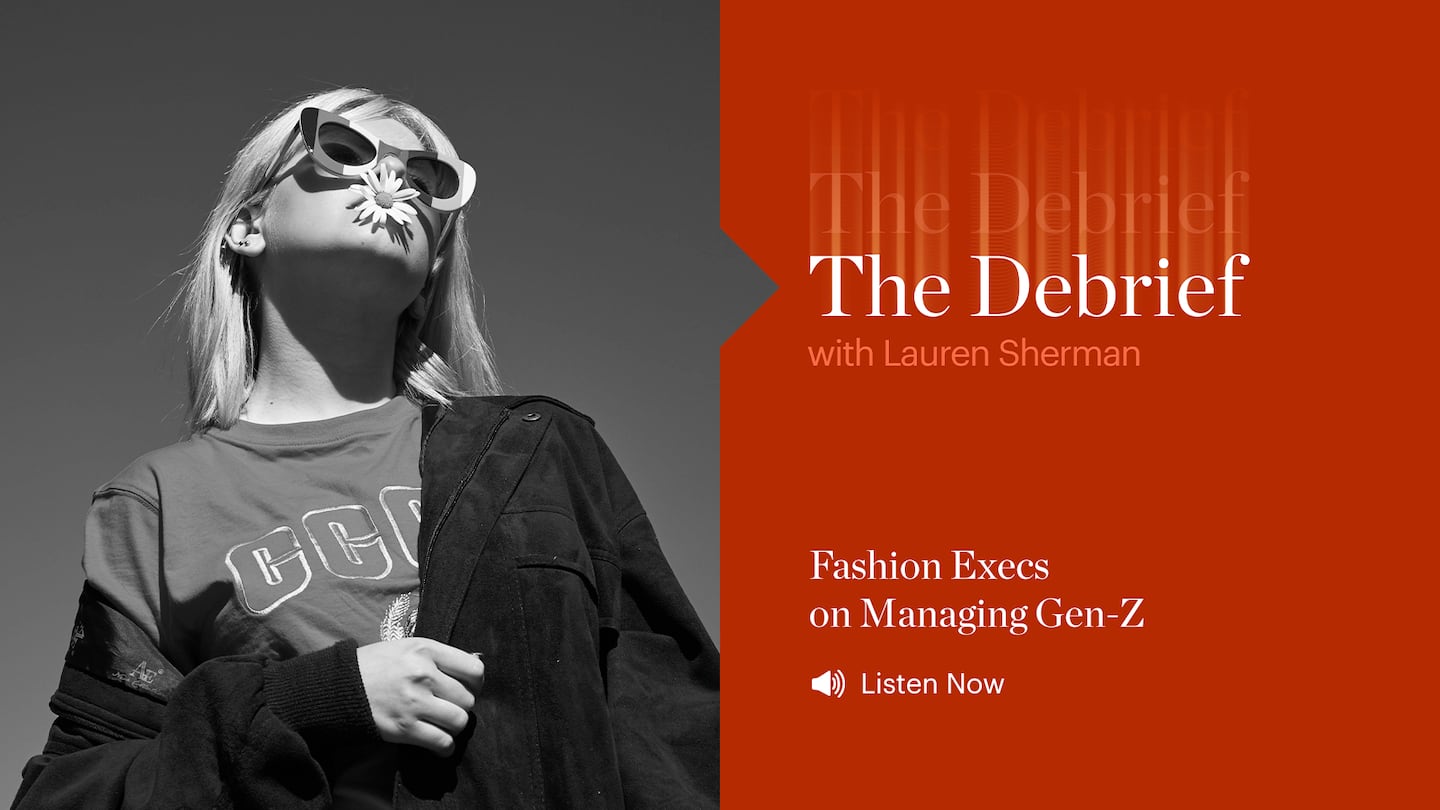
Follow The Debrief wherever you listen to podcasts.
The youth-obsessed fashion and beauty industries can’t get enough of Gen-Z talent: they believe they need to recruit more entry-level employees in order to maintain relevance and attract new customers. But the cohort is entering the workforce with big expectations — not only around salary, but remote working, too — that many companies feel unprepared to meet.
“Gen-Z is entering the workforce amid a labour shortage… So that’s real leverage behind the demands they’re making,” explained Sheena Butler Young, BoF’s workplace and talent correspondent.
 Opens in new window
The activewear giant seems intent on turning its nearly 40-year-old niche outdoor fashion brand into a mainstream success. The plan hinges on convincing backpackers and athletes its rugged technical gear can perform just as well as The North Face or Arc’teryx.
It’s not an existential crisis — yet — but Rick Owens and Daniel Roseberry confront some headscratchers in their latest collections.
Stick with the program or switch it up? Angelo Flaccavento reports on Chloé, Rabanne, Schiaparelli, Rick Owens and Uma Wang.
The brands Gap and Banana Republic beat comparable sales estimates.