Agenda-setting intelligence, analysis and advice for the global fashion community.
Agenda-setting intelligence, analysis and advice for the global fashion community.

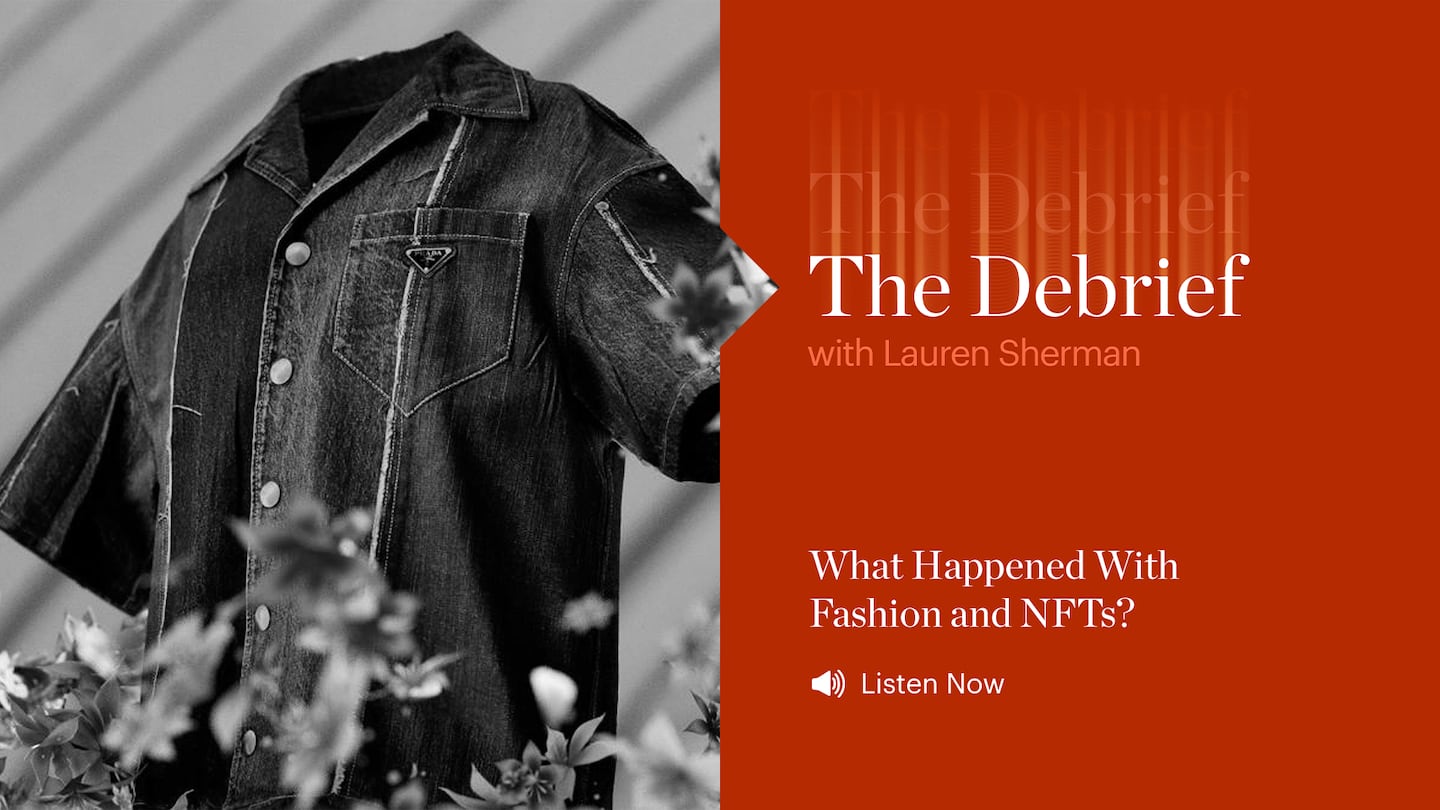
Follow The Debrief wherever you listen to podcasts.
For fashion, one of the most alluring prospects for NFTs is how they could help brands collect royalties — forever — on secondary sales of physical goods. Though the mechanics of doing so are not ironed out yet, brands could ideally code NFTs tied to physical products with smart contracts triggered by certain conditions and benefit every time an item is sold, not just at the initial sale. But, technical loopholes used to circumvent loyalties and finicky marketplaces leave brands and creators without ways to enforce rules.
“One of the big principles of Web3 is these royalties are the idea that it’s a creator-led economy, it wouldn’t necessarily be controlled by a big centralised organisation… Except that’s not really playing out,” said BoF technology correspondent Marc Bain.
The brands Gap and Banana Republic beat comparable sales estimates.
Sex sells — if anyone can figure out what sexy means in 2026. Robert Williams tracks the search for a new silhouette at Kering’s Gucci, LVMH’s Dior and more.
Christine Hunsicker admitted she falsified financial statements to promote CaaStle Inc. as a valuable, growing business when in reality it was struggling.
The American cosmetic giant’s buyout of Ayurvedic beauty line Forest Essentials came as a surprise. By picking an under-the-radar brand it knows well, the company can show that it’s still in the M&A game without needing to outbid rivals.