Agenda-setting intelligence, analysis and advice for the global fashion community.
Agenda-setting intelligence, analysis and advice for the global fashion community.


To subscribe to the BoF Podcast, please follow this link.
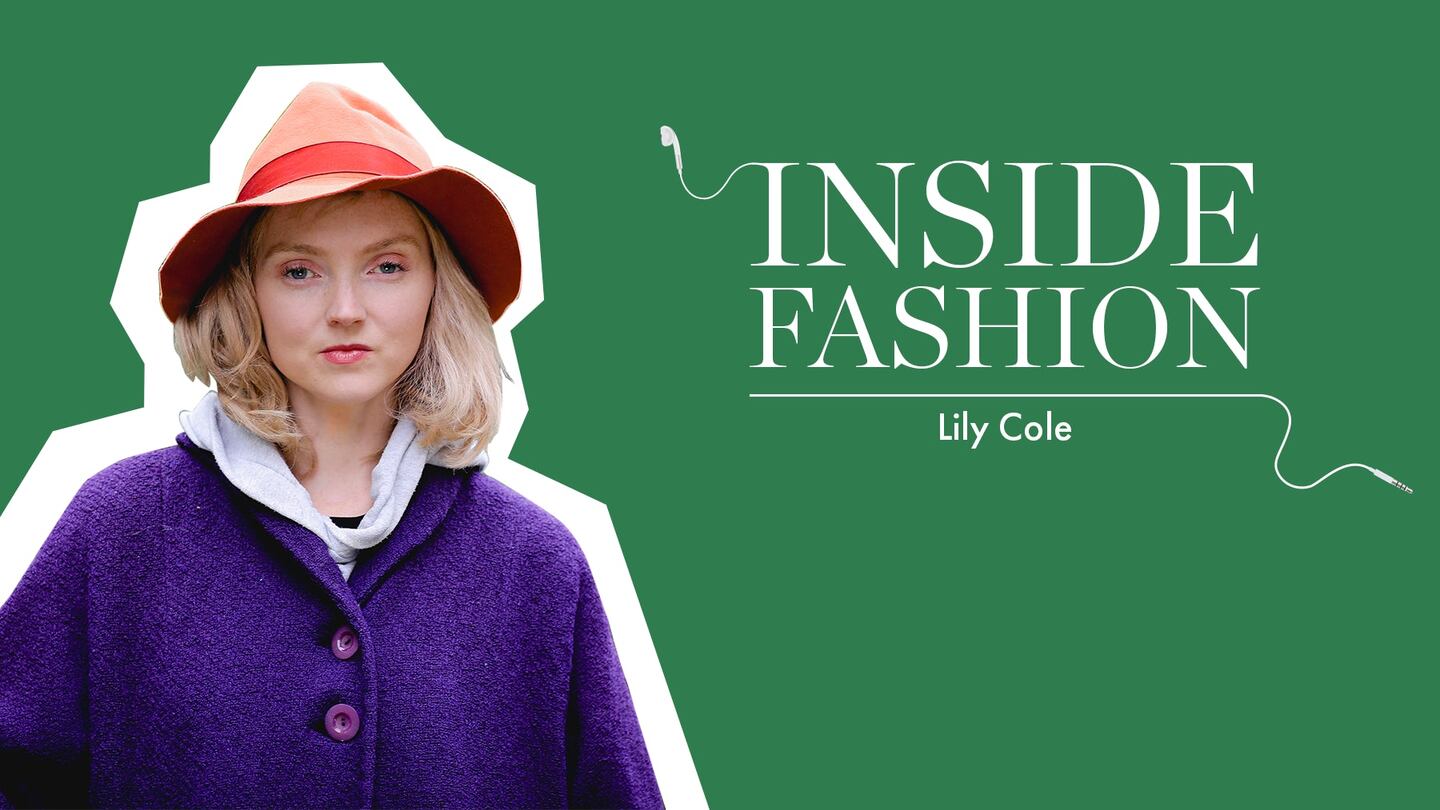
LONDON, United Kingdom — Lily Cole was once on the side of every bus, fronting the industry's biggest fashion campaigns. But the more time Cole spent in the industry, the more she became aware of widespread problems and structural inequalities that prop up its glamorous facade. She cut back on modelling jobs and instead prioritised working on improving the fashion system from within.
In the latest episode of the BoF Podcast, Lily Cole speaks with BoF Founder and Editor-in-Chief Imran Amed about the lessons she learned while writing her new book Who Cares Wins: Reasons For Optimism in Our Changing World, published by Rizzoli and Penguin, a call to action that emphasises the importance of optimism and collaboration in times of uncertainty.
Related Articles:
[ Fashion Says It Can Police Its Supply Chain. So Why Are There So Many Scandals?Opens in new window ]
[ Independent Brands Must Change Their Business StrategiesOpens in new window ]
[ Will Fashion Ever Be Good for the World? Its Future May Depend on It.Opens in new window ]
Watch and listen to more #BoFLIVE conversations here. To contact The Business of Fashion with comments, questions, or speaker ideas please e-mail podcast@businessoffashion.com.
Coach-owner Tapestry’s new carbon-removal partnership and brands making fresh commitments to textile-to-textile recycling startups show an industry searching for ways to address its environmental impact.
A new group of brand partners, including Reformation and C&A, is joining the poly-cotton recycler’s long-term commercialisation program only weeks after its debut, signalling growing demand as the company gears up for industrial-scale production in Europe.
The consumer base for activewear made of natural materials like cotton and wool is growing, as more people on the political right join progressives in worrying about the health effects of polyester and other synthetics.
The sustainable materials company, which closed its Swedish factory in 2024, is opening it again after a year of restructuring.
Stick with the program or switch it up? Angelo Flaccavento reports on Chloé, Rabanne, Schiaparelli, Rick Owens and Uma Wang.
The brands Gap and Banana Republic beat comparable sales estimates.
Sex sells — if anyone can figure out what sexy means in 2026. Robert Williams tracks the search for a new silhouette at Kering’s Gucci, LVMH’s Dior and more.
Christine Hunsicker admitted she falsified financial statements to promote CaaStle Inc. as a valuable, growing business when in reality it was struggling.