
Agenda-setting intelligence, analysis and advice for the global fashion community.
Agenda-setting intelligence, analysis and advice for the global fashion community.

The author has shared a YouTube video.
You will need to accept and consent to the use of cookies and similar technologies by our third-party partners (including: YouTube, Instagram or Twitter), in order to view embedded content in this article and others you may visit in future.
To subscribe to the BoF Podcast, please follow this link.
The traditional fashion value chain is linear: fibres are grown, harvested, spun into fabric and stitched into garments, which are then distributed to retailers, sold, worn and discarded.
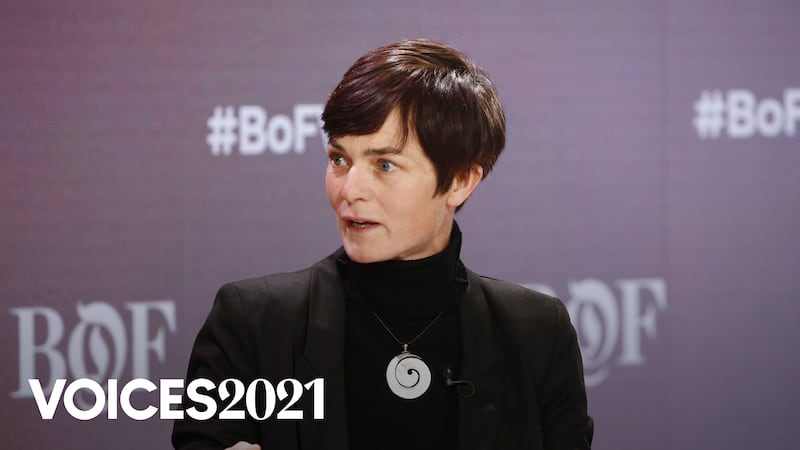
“The way we make and use things accounts for 45 percent of greenhouse gases and 90 percent of biodiversity loss,” said Dame Ellen MacArthur at BoF VOICES 2021.
In this conversation with BoF’s Sarah Kent, MacArthur lays out a vision for an alternate “circular” economy where the lifecycle of garments is extended through better design, including the use of more resilient, recyclable materials, and using systems throughout the manufacturing and sales process to facilitate items’ repair, reuse, and eventual transformation into something new.
ADVERTISEMENT
But this kind of systemic change will require a collective and coordinated push from suppliers, designers, brands and retailers across fashion’s value chain.
“We need to work together to make this happen. You need the entire value chain in the room,” said MacArthur, adding that though such comprehensive change is a challenge, it’s also an opportunity. Circular business models, including resale and rental, are on track to become a $700 billion market representing 23 percent of the fashion industry by 2030.
“Business as usual doesn’t work,” said MacArthur. “It’s not the solution.”
This podcast is made in partnership with Shopify.
Coach-owner Tapestry’s new carbon-removal partnership and brands making fresh commitments to textile-to-textile recycling startups show an industry searching for ways to address its environmental impact.
A new group of brand partners, including Reformation and C&A, is joining the poly-cotton recycler’s long-term commercialisation program only weeks after its debut, signalling growing demand as the company gears up for industrial-scale production in Europe.
The consumer base for activewear made of natural materials like cotton and wool is growing, as more people on the political right join progressives in worrying about the health effects of polyester and other synthetics.
The sustainable materials company, which closed its Swedish factory in 2024, is opening it again after a year of restructuring.
Sex sells — if anyone can figure out what sexy means in 2026. Robert Williams tracks the search for a new silhouette at Kering’s Gucci, LVMH’s Dior and more.
Christine Hunsicker admitted she falsified financial statements to promote CaaStle Inc. as a valuable, growing business when in reality it was struggling.
The American cosmetic giant’s buyout of Ayurvedic beauty line Forest Essentials came as a surprise. By picking an under-the-radar brand it knows well, the company can show that it’s still in the M&A game without needing to outbid rivals.
The underwear company is anticipating net sales of at least $6.85 billion in the current fiscal year, exceeding analyst estimates and marking the highest revenue since its split from L Brands Inc in 2021.


