
Agenda-setting intelligence, analysis and advice for the global fashion community.
Agenda-setting intelligence, analysis and advice for the global fashion community.

 Opens in new window
Subscribe to the BoF Podcast here.
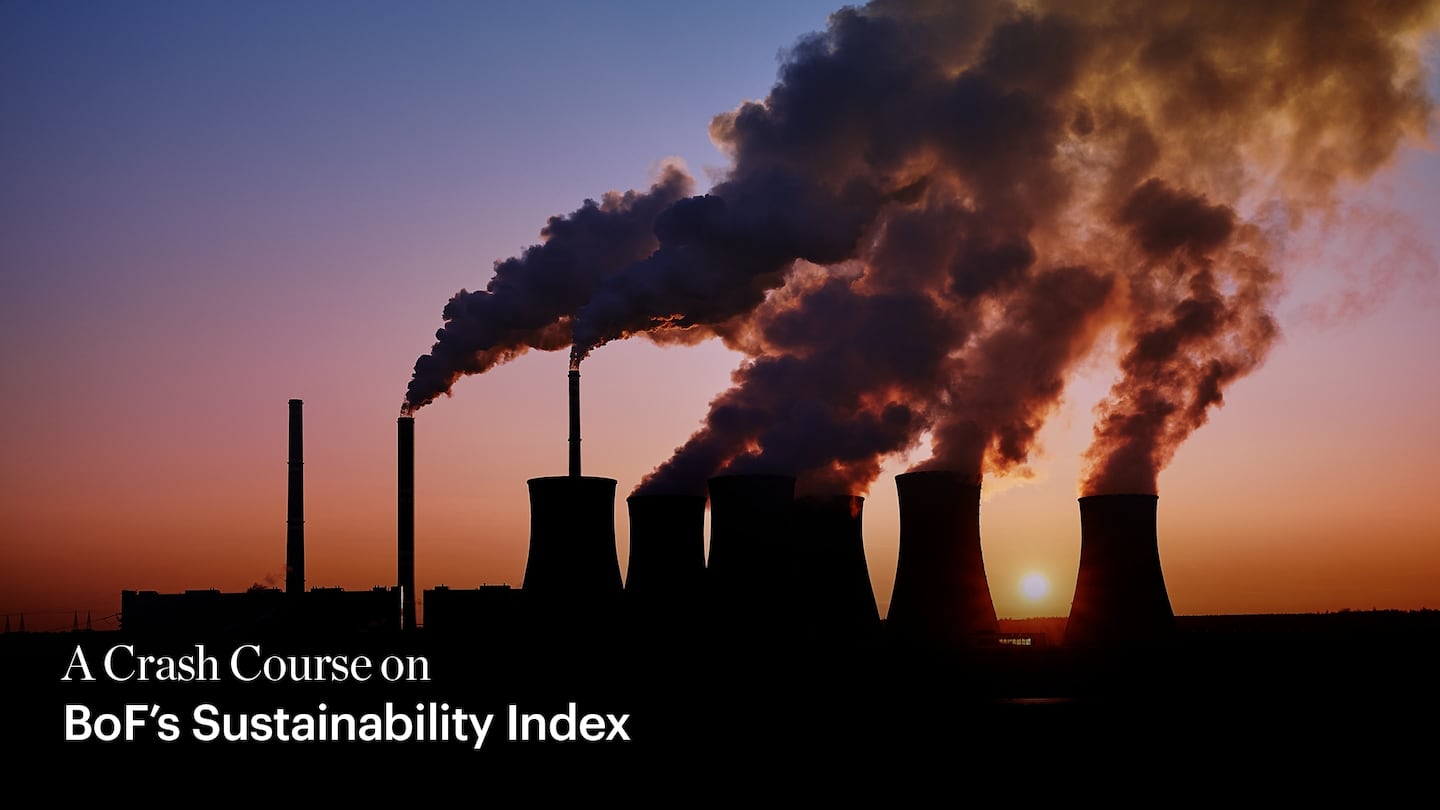
According to the United Nations, the world needs to radically slash emissions by 2030 if it’s to have a chance of avoiding climate catastrophe. The fashion industry, one of the world’s biggest polluters, is at a critical point of inflection if it wants to reshape itself in line with global ambitions to curb climate change and establish responsible business practices.
“It’s a really important moment to make a number of changes if we are to meet global climate goals …” said Sarah Kent, BoF’s chief sustainability correspondent. “It’s very important that the industry acts now.”
On the heels of releasing the second, expanded edition of The BoF Sustainability Index — which assesses companies’ progress towards ambitious 2030 goals across categories such as emissions and workers’ rights — Kent and Diana Lee, director of research and analysis at BoF Insights, join Imran Amed, BoF’s founder and editor-in-chief to unpack their findings, answer questions and lay out what needs to happen next.
Join BoF Professional for the analysis and advice you need. Get 30 days for just $1 or explore group subscriptions for your business.

Imran Amed is the Founder, CEO and Editor-in-Chief of The Business of Fashion. Based in London, he shapes BoF’s overall editorial strategy and is the host of The BoF Podcast.

Sarah Kent is Chief Sustainability Correspondent at The Business of Fashion. She is based in London and drives BoF's coverage of critical environmental and labour issues.

Diana Lee is the Director of Research & Analysis at The Business of Fashion. She is based in London and oversees the content strategy and roadmap for BoF Insights.
Coach-owner Tapestry’s new carbon-removal partnership and brands making fresh commitments to textile-to-textile recycling startups show an industry searching for ways to address its environmental impact.
A new group of brand partners, including Reformation and C&A, is joining the poly-cotton recycler’s long-term commercialisation program only weeks after its debut, signalling growing demand as the company gears up for industrial-scale production in Europe.
The consumer base for activewear made of natural materials like cotton and wool is growing, as more people on the political right join progressives in worrying about the health effects of polyester and other synthetics.
The sustainable materials company, which closed its Swedish factory in 2024, is opening it again after a year of restructuring.
Stick with the program or switch it up? Angelo Flaccavento reports on Chloé, Rabanne, Schiaparelli, Rick Owens and Uma Wang.
The brands Gap and Banana Republic beat comparable sales estimates.
Sex sells — if anyone can figure out what sexy means in 2026. Robert Williams tracks the search for a new silhouette at Kering’s Gucci, LVMH’s Dior and more.
Christine Hunsicker admitted she falsified financial statements to promote CaaStle Inc. as a valuable, growing business when in reality it was struggling.


