
Agenda-setting intelligence, analysis and advice for the global fashion community.
Agenda-setting intelligence, analysis and advice for the global fashion community.


Listen to and follow ‘The Debrief’: Apple Podcasts | Spotify | Overcast
Ssense’s bankruptcy filing makes it the latest in a long line of online luxury retailers to find itself on the brink. In an internal memo, Ssense co-founder and CEO Rami Atallah blamed US tariffs for creating an “immediate liquidity crisis.” But as BoF correspondent Malique Morris details, the real damage pre-dated the latest trade shock: years of training a young audience to wait for markdowns, overexposure to the US market and leadership inertia as luxury slowed industry-wide.
With hosts Brian Baskin and Sheena Butler-Young, Morris unpacks how Ssense won indie labels and cultural clout but dulled its edge as discounts became the default. They also explore whether Ssense can keep its cool factor while courting full-price shoppers, and which outcomes will best protect the fragile ecosystem of small brands that rely on the platform.

Brian Baskin is Executive Editor at The Business of Fashion. He is based in New York and oversees BoF's beauty, retail, direct-to-consumer, technology, marketing and workplace verticals.
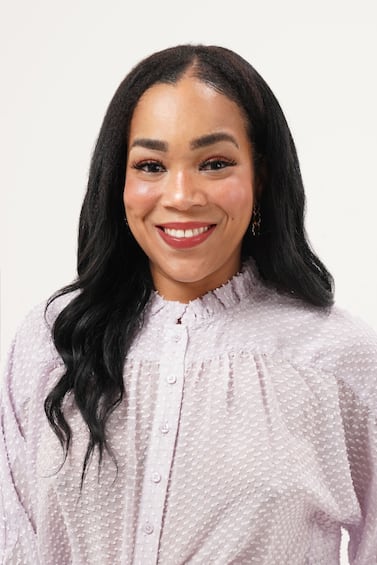
Sheena Butler-Young is Senior Correspondent at The Business of Fashion. She is based in New York and covers workplace, talent and issues surrounding diversity and inclusion.

Malique Morris is Senior E-Commerce Correspondent at The Business of Fashion. He is based in New York and covers digital-native brands and shifts in the online shopping industry.
While $1.75 billion in court-approved funding has brought labels back to the fold, the real test for vendors will come when that temporary safety net vanishes later this year.
A growing number of mass and premium brands are pushing upmarket with a more luxe look, better materials and, often, higher prices. This case study unpacks how these labels are navigating the tricky challenge of elevating a brand.
Brands from Prada to Abercrombie & Fitch will provide clarity on how the fashion industry is approaching the newly uncertain trade landscape. Plus, a preview of Paris Fashion Week.
The goods come from more than 380 brands, including Burberry and those owned by luxury powerhouses LVMH and Kering.
Christine Hunsicker admitted she falsified financial statements to promote CaaStle Inc. as a valuable, growing business when in reality it was struggling.
The American cosmetic giant’s buyout of Ayurvedic beauty line Forest Essentials came as a surprise. By picking an under-the-radar brand it knows well, the company can show that it’s still in the M&A game without needing to outbid rivals.
The underwear company is anticipating net sales of at least $6.85 billion in the current fiscal year, exceeding analyst estimates and marking the highest revenue since its split from L Brands Inc in 2021.
The Japanese brand is accelerating its expansion in India to capture a greater share of the rapidly growing apparel market and affluent consumer base.


