
Agenda-setting intelligence, analysis and advice for the global fashion community.
Agenda-setting intelligence, analysis and advice for the global fashion community.


Subscribe to the BoF Podcast here.
Once hailed as a pioneering platform for online luxury, Farfetch is now undergoing a dramatic operational overhaul. Coupang, an e-commerce giant in Korea, acquired the luxury marketplace in 2023, rescuing it from near-bankruptcy. Since then, Coupang has implemented sweeping cost-cutting measures that have narrowed losses significantly, but are eroding Farfetch’s footing in the luxury e-commerce space and alienating its core customers.
DTC correspondent Malique Morris joins Executive Editor Brian Baskin and Senior Correspondent Sheena Butler-Young to examine Farfetch’s path to profitability.

Brian Baskin is Executive Editor at The Business of Fashion. He is based in New York and oversees BoF's beauty, retail, direct-to-consumer, technology, marketing and workplace verticals.
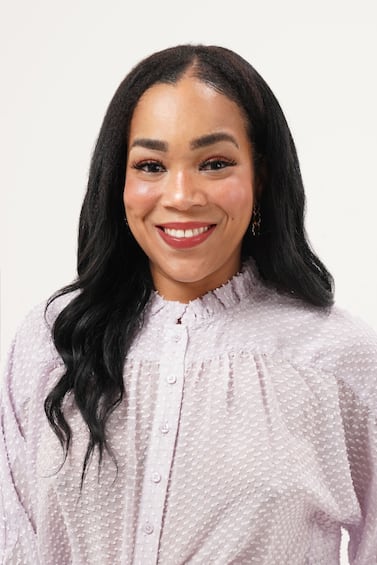
Sheena Butler-Young is Senior Correspondent at The Business of Fashion. She is based in New York and covers workplace, talent and issues surrounding diversity and inclusion.

Malique Morris is Senior E-Commerce Correspondent at The Business of Fashion. He is based in New York and covers digital-native brands and shifts in the online shopping industry.
While $1.75 billion in court-approved funding has brought labels back to the fold, the real test for vendors will come when that temporary safety net vanishes later this year.
A growing number of mass and premium brands are pushing upmarket with a more luxe look, better materials and, often, higher prices. This case study unpacks how these labels are navigating the tricky challenge of elevating a brand.
Brands from Prada to Abercrombie & Fitch will provide clarity on how the fashion industry is approaching the newly uncertain trade landscape. Plus, a preview of Paris Fashion Week.
The goods come from more than 380 brands, including Burberry and those owned by luxury powerhouses LVMH and Kering.
Credo Beauty has added stylish clean makeup brand Saie to its portfolio, as the category enters a mature, results-driven era.
On finished its 2025 fiscal year with 30 percent sales growth. Despite its successful run last year, the company isn’t getting ahead of itself for 2026. Co-founder David Allemann explains that and more in today’s newsletter.
Check out this week’s new partners and openings on BoF Careers, the global marketplace for fashion and beauty talent.
The Japanese sportswear brand is accelerating global expansion by acquiring race-registration platforms to deepen engagement with runners.


