Agenda-setting intelligence, analysis and advice for the global fashion community.
Agenda-setting intelligence, analysis and advice for the global fashion community.

To subscribe to the BoF Podcast, please follow this link.
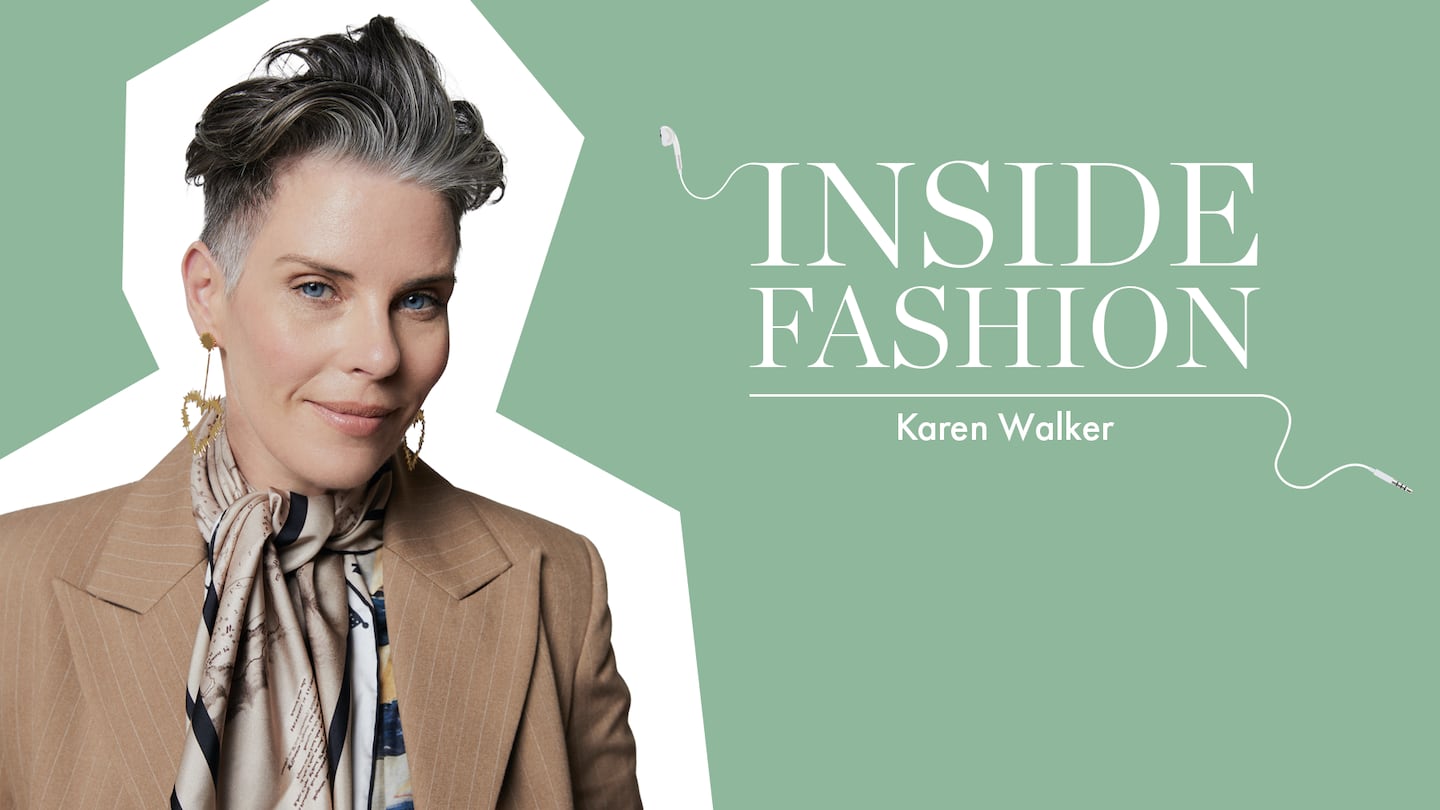
When the Covid-19 crisis struck, Karen Walker — known for her offbeat designs that have been worn by the likes of Meghan Markle and Michelle Obama, and carried by retailers such as Barneys and Harvey Nichols — found that she was propelled to shift the way she thought about her business, her mission as a designer and her community. Walker’s home country, New Zealand, battled the Covid-19 pandemic with a swift hand — its citizens saw only five weeks of lockdowns before the virus disappeared from within its borders. Despite the relative brevity of the country’s lockdowns, business owners and brands were still faced with the same existential crises and questions as the rest of the world. Now that people within the country have returned to something close to normal life (just without tourists), Walker notes several shifts in attitude: people want to treat themselves, but they also want to support the nation and local businesses that supported them. More generally, consumers have come out of lockdown more interested in buying products aligned with what they stand for.
On this week’s BoF Podcast, Walker joins Tim Blanks in a conversation about dealing with change, defining desire and life on the other side of the Covid crisis.
Related Articles:
ADVERTISEMENT
Stella McCartney on the Business of Sustainable Design
The Year That Changed the World
Vanessa Kingori on the Reinvention of British Vogue
Join BoF Professional for the analysis and advice you need. Get 30 days for just $1 or explore group subscriptions for your business.
While $1.75 billion in court-approved funding has brought labels back to the fold, the real test for vendors will come when that temporary safety net vanishes later this year.
A growing number of mass and premium brands are pushing upmarket with a more luxe look, better materials and, often, higher prices. This case study unpacks how these labels are navigating the tricky challenge of elevating a brand.
Brands from Prada to Abercrombie & Fitch will provide clarity on how the fashion industry is approaching the newly uncertain trade landscape. Plus, a preview of Paris Fashion Week.
The goods come from more than 380 brands, including Burberry and those owned by luxury powerhouses LVMH and Kering.
Activist fund Oasis Management Co. is calling on the Japanese personal care company to convene an extraordinary general meeting, seeking a probe into its supply-chain risk management and internal control.
The retailer surpassed annual sales forecasts but expects a $60 million drag from import tariffs in the first half of 2026.
The luxury Ayurvedic skincare line will be the first deal by the conglomerate under the leadership of Stéphane de La Faverie.
By introducing a new version of her Magic Cream, Tilbury joins a number of other brands, from Armani and Olaplex, wading into the tricky waters of reformulation.