Agenda-setting intelligence, analysis and advice for the global fashion community.
Agenda-setting intelligence, analysis and advice for the global fashion community.

To subscribe to the BoF Podcast, please follow this link.
The fashion industry has long been operating in a cyclically inefficient and anti-creative way. Issues like waste, early discounts, power imbalances and a suboptimal, wholesale-controlled calendar hurt brands at every level, as well as consumers.
But when the Covid-19 pandemic prompted lockdowns around the world in early 2020, the industry was put on pause. In response, two initiatives, Forum and the BoF-facilitated Rewiring Fashion, emerged to make this period one of retrospection and discussion in hopes of bringing about systematic change.
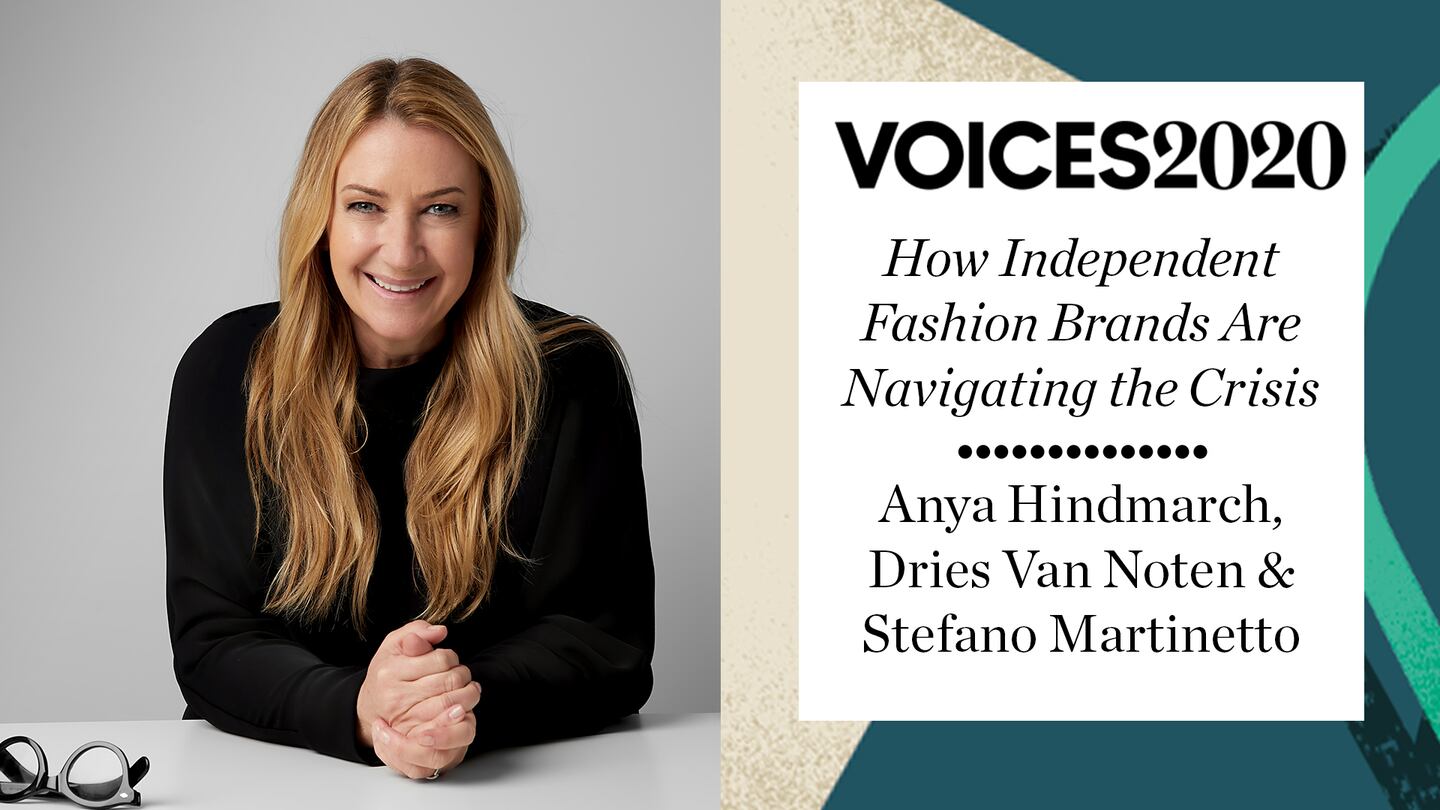
In the latest episode of Inside Fashion, which features a conversation from VOICES 2020, BoF’s Imran Amed sits down with designer Dries Van Noten, as well as Anya Hindmarch and Stefano Martinetto, co-founder and chief executive of Tomorrow London to discuss the lessons the industry has learned during the pandemic and how that new perspective will shape its future.
ADVERTISEMENT
Related Articles:
Dries Van Noten’s ‘Forum’ and ‘Rewiring Fashion’ Join Forces to Rebuild the Fashion System
DTC vs Wholesale: Striking the Right Balance
The BoF Podcast: Dries Van Noten on Making Retail Meaningful in the Pandemic
Watch and listen to more #BoFLIVE conversations here. To contact The Business of Fashion with comments, questions or speaker ideas please e-mail podcast@businessoffashion.com.
While $1.75 billion in court-approved funding has brought labels back to the fold, the real test for vendors will come when that temporary safety net vanishes later this year.
A growing number of mass and premium brands are pushing upmarket with a more luxe look, better materials and, often, higher prices. This case study unpacks how these labels are navigating the tricky challenge of elevating a brand.
Brands from Prada to Abercrombie & Fitch will provide clarity on how the fashion industry is approaching the newly uncertain trade landscape. Plus, a preview of Paris Fashion Week.
The goods come from more than 380 brands, including Burberry and those owned by luxury powerhouses LVMH and Kering.
Christine Hunsicker admitted she falsified financial statements to promote CaaStle Inc. as a valuable, growing business when in reality it was struggling.
The American cosmetic giant’s buyout of Ayurvedic beauty line Forest Essentials came as a surprise. By picking an under-the-radar brand it knows well, the company can show that it’s still in the M&A game without needing to outbid rivals.
The underwear company is anticipating net sales of at least $6.85 billion in the current fiscal year, exceeding analyst estimates and marking the highest revenue since its split from L Brands Inc in 2021.
The Japanese brand is accelerating its expansion in India to capture a greater share of the rapidly growing apparel market and affluent consumer base.