Agenda-setting intelligence, analysis and advice for the global fashion community.
Agenda-setting intelligence, analysis and advice for the global fashion community.

To subscribe to the BoF Podcast, please follow this link.
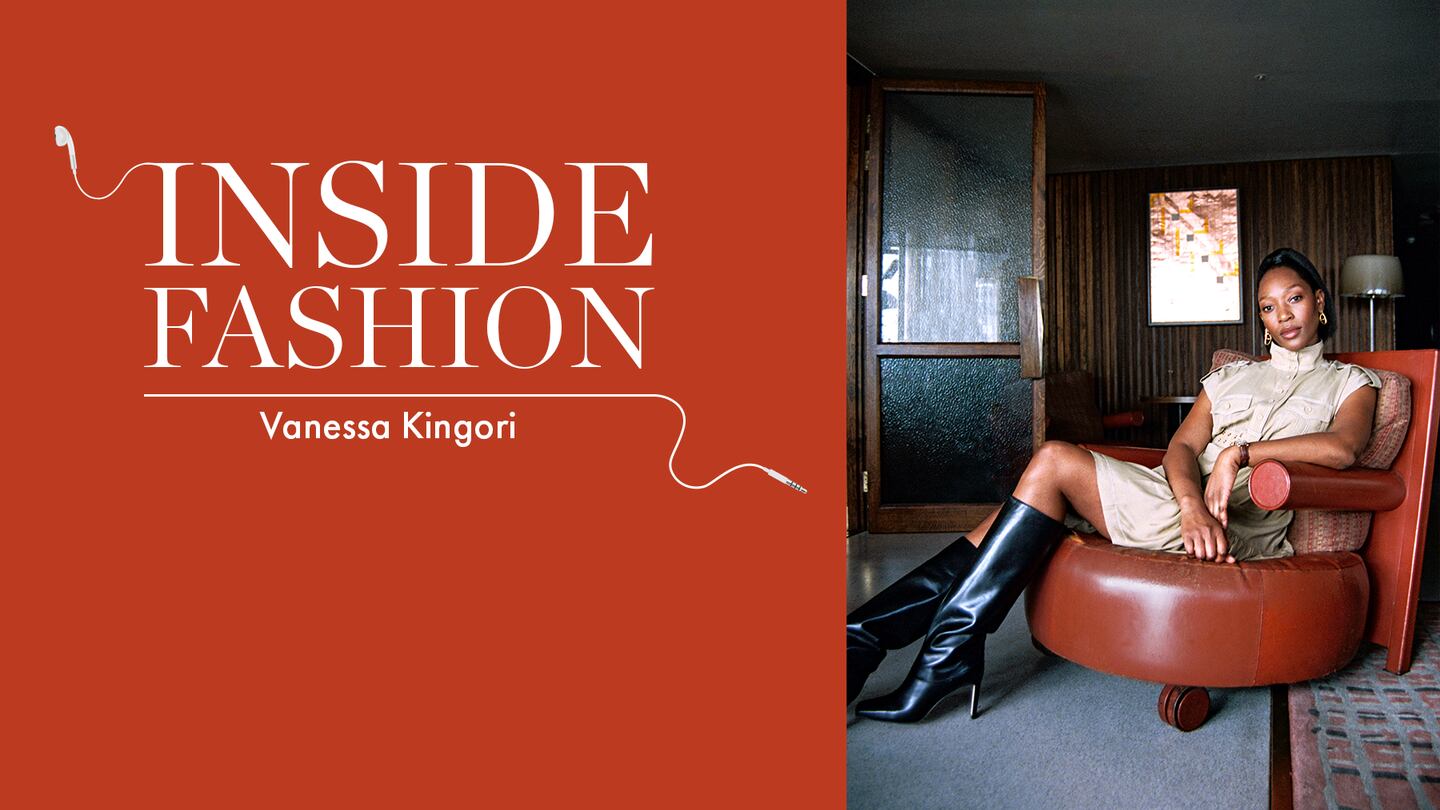
British Vogue’s editorial transformation over the past four years has been widely documented, but changes on the business side are equally noteworthy. Vanessa Kingori, British Vogue’s first female publisher (who works alongside editor-in-chief Edward Enninful), has taken more of a consultative role with advertising clients, focusing on the health of their brands, not just reach and impressions. Today, brands are more interested in how they can create human connections and innovate through Vogue’s channels, rather than just buying space on the printed page.
On the latest edition of The BoF Podcast, Kingori talks with BoF’s Imran Amed about the publication’s new business strategy, and how it ties in with the magazine’s focus on diversity, inclusion and sustainability.
Related Articles:
ADVERTISEMENT
Vanessa Kingori’s Commercial Reboot of British Vogue
Meghan Markle’s Vogue: When Activism Is More Fashionable Than Fashion
What Anna Wintour’s Big Promotion Means for Condé Nast
Join BoF Professional for the analysis and advice you need. Get 30 days for just $1 or explore group subscriptions for your business.
With the platform’s posts now shaping Google search and AI chatbot results, fashion brands need to listen to the site’s millions of users – even when they don’t like what they have to say.
Following the success of its first foray into episodic social media content, 'The Intern,' the publication is launching its second series called ‘The Boss’ with a famous face at the centre
The former i-D editor in chief has been named chief creative officer of the Wonderland publisher, and will launch a new magazine and creative agency with entrepreneur Peter Jones.
Cosmopolitan and Seventeen’s editor in chief Willa Bennett joins Imran Amed to unpack what young audiences actually want from media today.
Christine Hunsicker admitted she falsified financial statements to promote CaaStle Inc. as a valuable, growing business when in reality it was struggling.
The American cosmetic giant’s buyout of Ayurvedic beauty line Forest Essentials came as a surprise. By picking an under-the-radar brand it knows well, the company can show that it’s still in the M&A game without needing to outbid rivals.
The underwear company is anticipating net sales of at least $6.85 billion in the current fiscal year, exceeding analyst estimates and marking the highest revenue since its split from L Brands Inc in 2021.
The Japanese brand is accelerating its expansion in India to capture a greater share of the rapidly growing apparel market and affluent consumer base.