
Agenda-setting intelligence, analysis and advice for the global fashion community.
Agenda-setting intelligence, analysis and advice for the global fashion community.

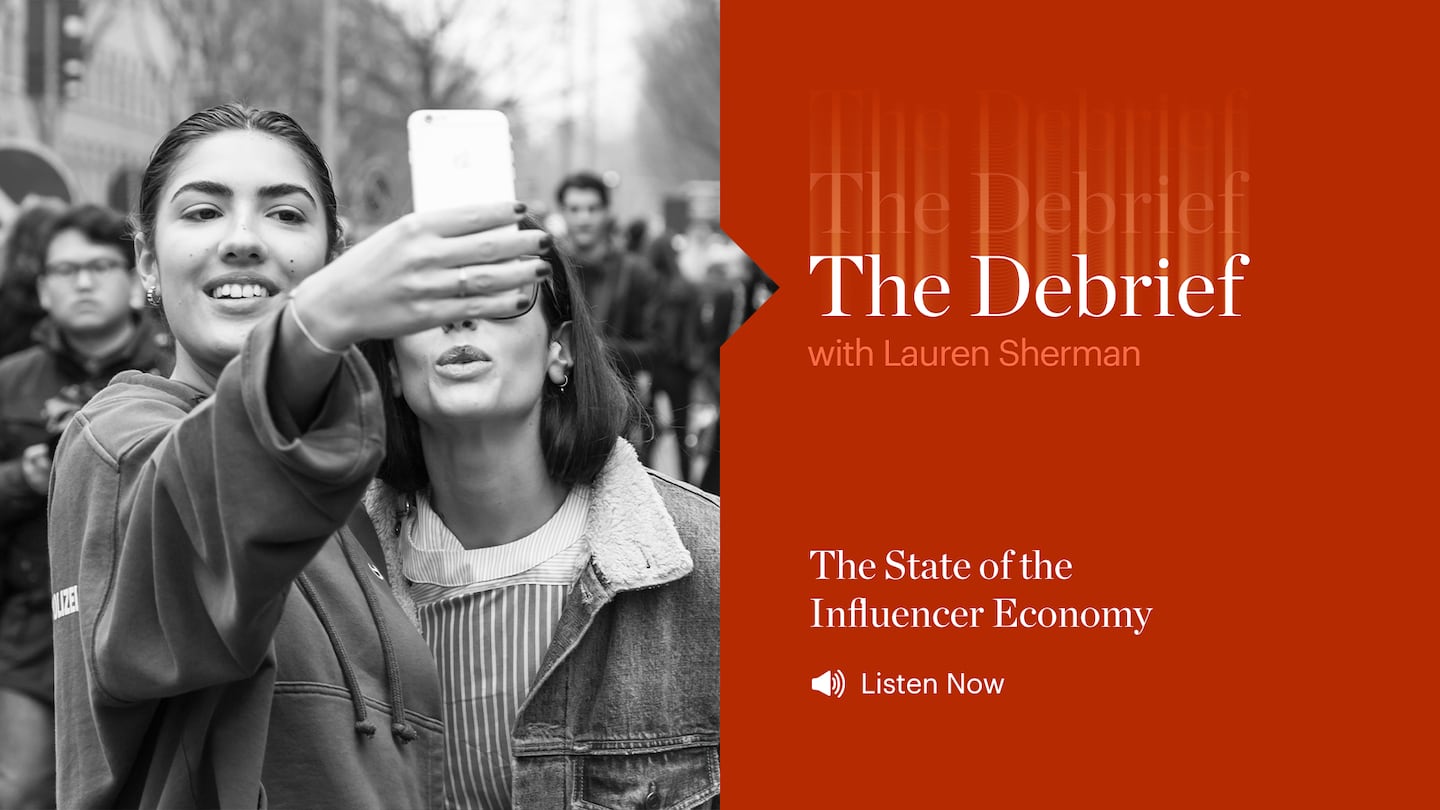
Follow The Debrief wherever you listen to podcasts.
Things move fast on the internet. In just the past few years, there have been a number of changes in the social media space and the influencer economy built around it. For one, brands are betting on influencers with day jobs, working with creators like Sky Ting Yoga founder Krissy Jones or James Whiteside, principal dancer at the American Ballet Theatre, as they look for relatable ambassadors to reach engaged audiences. The line between the average social media user and influencer is increasingly blurred as non-influencers endorse products online. Widely, people learn more about brands from other people, rather than brands’ own storytelling. It’s becoming even more important for brands to be on every platform — and influencers to have their own platforms.
“Most brands have probably not fully recognised and understood the impact of all their customers having a platform… This is existential for brands. If they can’t figure this out, they won’t be able to compete in a decade,” said James Nord, founder of influencer marketing company Fohr.
With the platform’s posts now shaping Google search and AI chatbot results, fashion brands need to listen to the site’s millions of users – even when they don’t like what they have to say.
Following the success of its first foray into episodic social media content, 'The Intern,' the publication is launching its second series called ‘The Boss’ with a famous face at the centre
The former i-D editor in chief has been named chief creative officer of the Wonderland publisher, and will launch a new magazine and creative agency with entrepreneur Peter Jones.
Cosmopolitan and Seventeen’s editor in chief Willa Bennett joins Imran Amed to unpack what young audiences actually want from media today.
Activist fund Oasis Management Co. is calling on the Japanese personal care company to convene an extraordinary general meeting, seeking a probe into its supply-chain risk management and internal control.
The retailer surpassed annual sales forecasts but expects a $60 million drag from import tariffs in the first half of 2026.
The luxury Ayurvedic skincare line will be the first deal by the conglomerate under the leadership of Stéphane de La Faverie.
By introducing a new version of her original Magic Cream, Tilbury treads into the tricky territory of reformulation, a necessary risk that can reinvigorate a staid product — or destroy a best-seller.


