
Agenda-setting intelligence, analysis and advice for the global fashion community.
Agenda-setting intelligence, analysis and advice for the global fashion community.


Listen to and follow ‘The Debrief’: Apple Podcasts | Spotify | Overcast
Influencer marketing in 2026 is a different beast. Once dominated by follower counts and splashy sponsored posts, the sector is now shaped by richer performance data, new monetisation models and growing consumer scepticism toward overt selling.
As BoF publishes a new case study on the creator economy, Diana Pearl joins hosts Sheena Butler-Young and Brian Baskin to unpack how creators and brands are adapting to a more disciplined, competitive and AI-saturated landscape.
ADVERTISEMENT

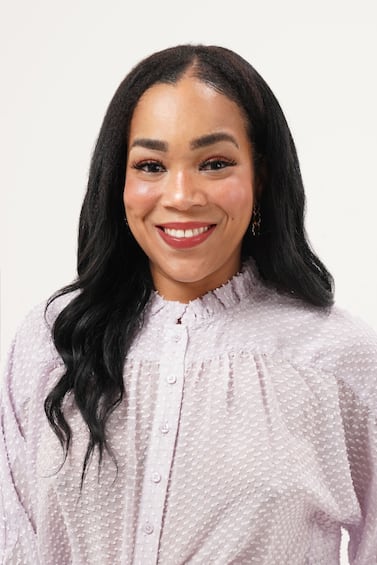
Diana Pearl is Senior News and Features Editor at The Business of Fashion. She is based in New York and drives BoF’s marketing and media coverage.
Sheena Butler-Young is Senior Correspondent at The Business of Fashion. She is based in New York and covers workplace, talent and issues surrounding diversity and inclusion.

Brian Baskin is Executive Editor at The Business of Fashion. He is based in New York and oversees BoF's beauty, retail, direct-to-consumer, technology, marketing and workplace verticals.
This week on The Debrief, BoF correspondent Lei Takanashi explains why the industry remains tethered to a small circle of established rap stars and whether a new generation of talent can break through.
While pay-for-play on creators’ feeds isn’t going away entirely, the #ad is no longer the cornerstone of social media marketing that it once was. Some brands are taking a new approach they hope will feel more like an extension of creators’ relationships with their followers.
Brands are breaking up with the romantic binary to monetise the full lifecycle of love, trading traditional narratives for a lucrative ‘autonomy economy.’
The Google-owned video-sharing service is among the largest entertainment platforms in the world, and a destination for in-depth, long-form content. BoF breaks down how brands can use the site as a world-building tool to attract loyal consumers.
Christine Hunsicker admitted she falsified financial statements to promote CaaStle Inc. as a valuable, growing business when in reality it was struggling.
The American cosmetic giant’s buyout of Ayurvedic beauty line Forest Essentials came as a surprise. By picking an under-the-radar brand it knows well, the company can show that it’s still in the M&A game without needing to outbid rivals.
The underwear company is anticipating net sales of at least $6.85 billion in the current fiscal year, exceeding analyst estimates and marking the highest revenue since its split from L Brands Inc in 2021.
The Japanese brand is accelerating its expansion in India to capture a greater share of the rapidly growing apparel market and affluent consumer base.


