Agenda-setting intelligence, analysis and advice for the global fashion community.
Agenda-setting intelligence, analysis and advice for the global fashion community.


The author has shared a YouTube video.
You will need to accept and consent to the use of cookies and similar technologies by our third-party partners (including: YouTube, Instagram or Twitter), in order to view embedded content in this article and others you may visit in future.
Listen to and follow the ‘BoF Podcast’: Apple Podcasts | Spotify | Overcast
Over the last two years, demand for luxury fashion has softened as aspirational shoppers have pulled back and consumer fatigue has crept in. Yet, Prada Group has continued to grow, by prioritising brand DNA, employing disciplined curation and creating strong connections to contemporary culture.
“Prada is culture, culture is discussion, culture is opinions. The more you’re discussed, the more you’re able to be influenced by other people’s opinions. I think this is unbelievably fruitful,” says Guerra. “This is not a vertical thing; it’s a total constant confrontation and change of opinions. This is how things are born in the Prada brand – and I love it.”
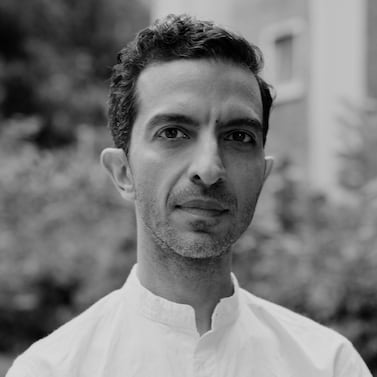
This week on The BoF Podcast, BoF founder Imran Amed quizzes Mr Guerra on the luxury business model from developing pricing strategies to the importance of creative tension and cultural relevance.
Strong growth at Miu Miu helped lift results, but the Italian luxury group said that integrating Versace will weigh on margins in the near term as it begins the turnaround of the struggling brand
After Swatch Group launched an attack on Morgan Stanley’s influential annual watch report, Swatch-owned Tissot cracks open the door for a glimpse at some numbers and Robin Swithinbank says it’s time a secretive industry came clean on financials.
Half a year after Giorgio Armani’s death, it appears to be business as usual at the sprawling fashion empire while potential investors continue to circle with no firm bid in sight.
Kering, LVMH and OTB all have significant skin in the game this Milan Fashion Week with new designer runway debuts at storied Italian brands.
Christine Hunsicker admitted she falsified financial statements to promote CaaStle Inc. as a valuable, growing business when in reality it was struggling.
The American cosmetic giant’s buyout of Ayurvedic beauty line Forest Essentials came as a surprise. By picking an under-the-radar brand it knows well, the company can show that it’s still in the M&A game without needing to outbid rivals.
The underwear company is anticipating net sales of at least $6.85 billion in the current fiscal year, exceeding analyst estimates and marking the highest revenue since its split from L Brands Inc in 2021.
The Japanese brand is accelerating its expansion in India to capture a greater share of the rapidly growing apparel market and affluent consumer base.