BoF Logo

Agenda-setting intelligence, analysis and advice for the global fashion community.

Kenya’s Katungulu Mwendwa on Building a Made-in-Africa Brand | The BoF Podcast

From Nairobi to the BoF 500, designer Katungulu Mwendwa explains why making locally matters, how to design ‘everyday armour’ people will keep for years and what global buyers must change to unlock the potential of African fashion.
Katungulu Mwendwa has built a contemporary brand with deep cultural roots.
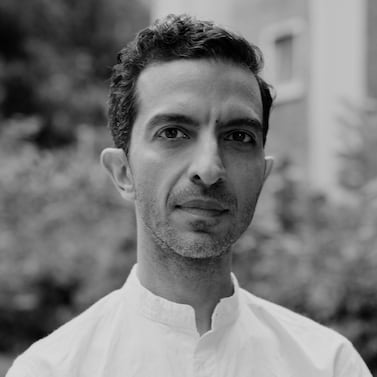
Katungulu Mwendwa has built a contemporary brand with deep cultural roots. (Courtesy)

Listen to and follow the ‘BoF Podcast’: Apple Podcasts | Spotify | Overcast

Background:

Born and raised in Nairobi, Katungulu Mwendwa grew up cradled in the warmth and unpredictability of the bustling Kenyan capital and the hands-on craft traditions learned from her family — basketry, pottery, leather and beadwork. A childhood fascination with cherished garments led her to pursue fashion studies in the UK, giving her both a technical grounding and a view of the global system.

Back home, she gave herself a double challenge: build a contemporary brand with deep cultural roots and make as much as possible on the African continent, working with local artisans.

“The global fashion world doesn’t operate in isolation. You have Paris Fashion Week, you have New York — why can’t Nairobi be one of those places?” asks Mwendwa. “I’m not trying to run for president, but I’m now a fashion designer. So how can I have an impact on my environment? How can I be the change I want to see?”

This week on the BoF Podcast, Imran Amed sits down with new BoF 500 member Katungulu Mwendwa to understand why making locally matters, how to design “everyday armour” people will keep for years and what global buyers must change to unlock the potential of African fashion.

Key Insights:

  • For Mwendwa, producing locally isn’t a marketing line, it’s the whole point: to grow skills and value chains at home. That means insisting on using local resources, bringing artisans into contemporary products and accepting the grind of building capacity. “It was the most important thing … How can I be the change I want to see? I’m so adamant about working with local resources, because if we don’t, why would anything change?” she says.
  • The answer is to work with local resources and revive knowledge that’s slipping from view: “A lot of our history is not easy to access … Some practices are forgotten or not celebrated as much, and I use my work to reimagine or re-establish those traditional practices.”
  • Mwendwa designs garments meant to outlast trends. “I want to meet people [who] five years later, even ten years later, and hear they still have it in their closet and they’re hoping to pass it on because it’s so valuable, it’s well looked after,” she says. The goal is emotional durability: “This is a piece I’m going to treasure … I’ll wear [it] for special occasions, or because I just feel special today.”
  • Building a fashion brand from Nairobi and starting in an ecosystem with little ready-made support means learning by doing. “You literally do everything — I was the tailor, pattern cutter, sales and comms,” Mwendwa explains. She also tapped into incubators and grants, selling through Nairobi retailers, lodges and select international stockists, but her message to global buyers is pragmatic and pointed: “Change the way you work … There’s a consumer who wants what’s on the continent — they just don’t know it yet. We’re not talking big batches — stop with, ‘We need 250 pieces.’ Offer a unique capsule batch for a period of time and see what that does.”

Additional Resources:

© 2026 The Business of Fashion. All rights reserved. For more information read our Terms & Conditions

More from Luxury
How rapid change is reshaping the tradition-soaked luxury sector in Europe and beyond.
view more
Latest News & Analysis
Unrivalled, world class journalism across fashion, luxury and beauty industries.

Can Big Luxury Find Its New Look?

Sex sells — if anyone can figure out what sexy means in 2026. Robert Williams tracks the search for a new silhouette at Kering’s Gucci, LVMH’s Dior and more.


Estée Lauder’s Surprise Acquisition, Explained

The American cosmetic giant’s buyout of Ayurvedic beauty line Forest Essentials came as a surprise. By picking an under-the-radar brand it knows well, the company can show that it’s still in the M&A game without needing to outbid rivals.


VIEW MORE
Agenda-setting intelligence, analysis and advice for the global fashion community.
CONNECT WITH US ON