Agenda-setting intelligence, analysis and advice for the global fashion community.

Subscribe to the BoF Podcast here.
Background:
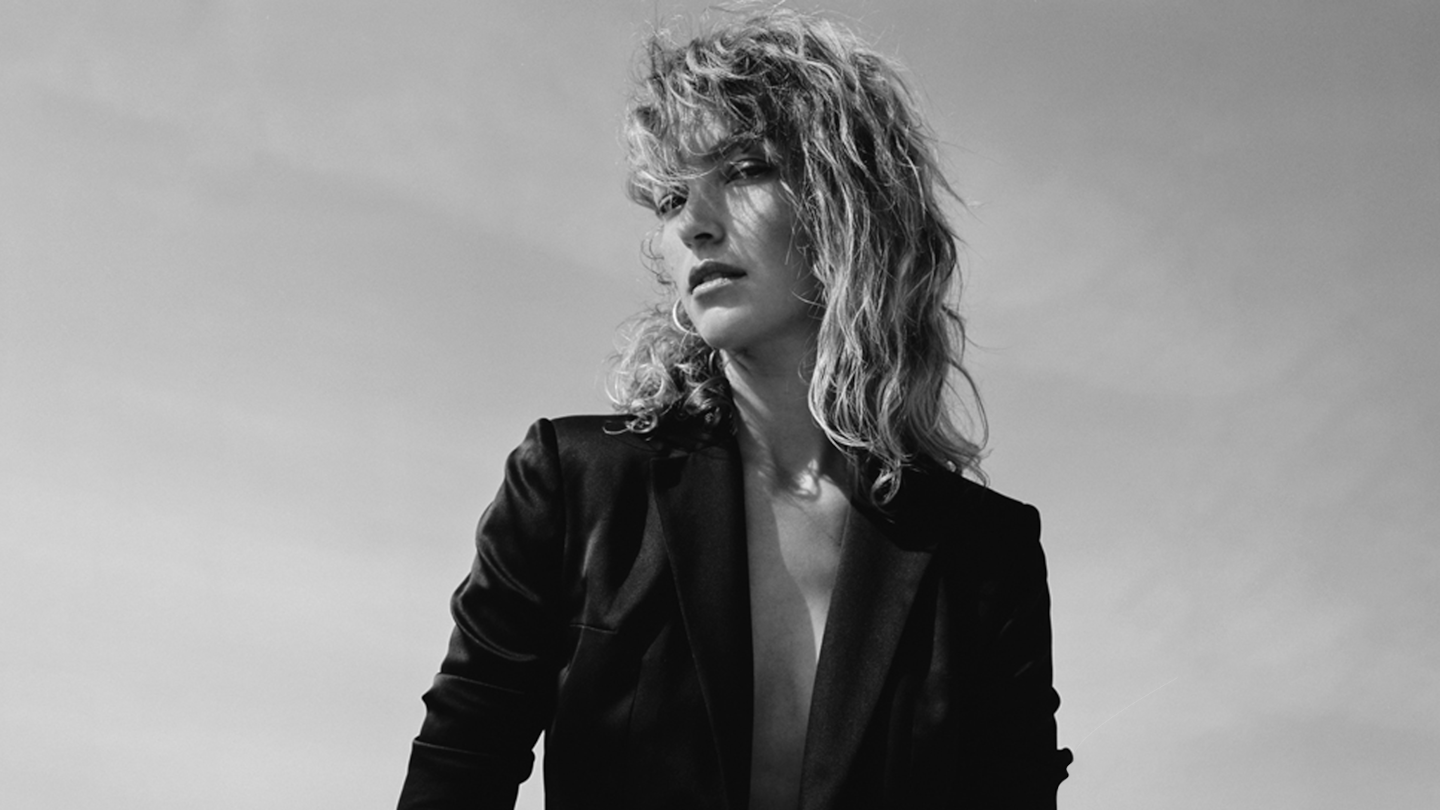
In 2010, model Arizona Muse was catapulted into the fashion spotlight. After opening and closing Prada’s Spring/Summer 2011 show, she was signed as a face of the brand. But after years of the modelling grind and some serious personal reflection, the British-American model has swapped the glamour of the runway for environmental activism.
“It nearly destroyed me. You pretend you enjoy it because everyone wants you to enjoy it. But the truth is, you’d prefer to be doing something else.”
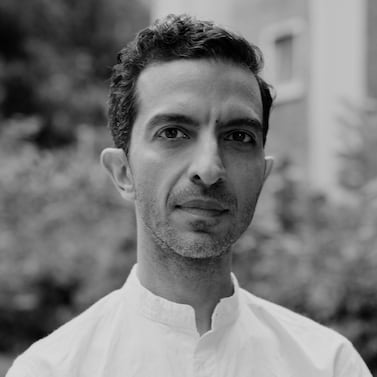
This week on The BoF Podcast, BoF founder and editor-in-chief Imran Amed sits down with Arizona to discuss her journey to the fashion runway, her reflections on fashion’s contribution to the climate crisis and why she sees self-care as a form of environmental activism.
Key Insights:
- While Muse is grateful for modelling career, she said it caused immense strain on her mental health. “It’s been a blessing in so many ways, but it also nearly destroyed me. It really nearly destroyed my mental health,” she shares. “What’s hard about modelling is people are judging you all the time on what you look like … They don’t even judge you on what you wear. It’s just purely what you look like.”
- The model first tapped into her passion for environmental activism after being invited to a charity lunch where she learned that textile materials were grown in soil by farmers. “Working at the centre of this industry, working with all the most amazing fashion houses that we’ve all heard of, how is nobody talking about the farmers who grew our clothes for us?” she says.
- She also sees her own self-care as part of her activism. “How can I take the best care of my being so that my being can be in the best shape that it can be, to be in service to the other beings around me who are human, to the other beings around me who are non-human, and to the biggest being of us all who is the earth?”
- Muse recognises the need for governments to support organisations like DIRT, she also insists there is a level of personal responsibility for those privileged enough to make sustainable choices. “If you’re like I am, and you’re one of those lucky people who has money in your pocket right now, it is your responsibility to spend it with sustainable businesses who are making things in a more responsible way,” she says.
Additional Resources:
- Why Big Brands Are Pushing Back Against Sustainability Regulations: Fashion companies argue proposed government mandates for greater supply chain transparency are ‘impractical.’ They shouldn’t be, writes Kenneth P. Pucker.
- The Problem with Sustainability Data: A new report raises questions over the validity of existing efforts to quantify the fashion industry’s record on sustainability.
- The BoF Podcast | Ending Climate Colonialism in Fashion: BoF chief sustainability correspondent Sarah Kent sits down with Sammy Oteng, Ayesha Barenblat and Vidhura Ralapanawe at BoF VOICES 2023 to discuss how the fashion industry can responsibly manage the climate crisis.