
Agenda-setting intelligence, analysis and advice for the global fashion community.
Agenda-setting intelligence, analysis and advice for the global fashion community.


Listen to and follow ‘The Debrief’: Apple Podcasts|Spotify|Overcast
As inflation bites and politics polarise, the fashion industry in 2025 is facing unprecedented pressure to hold onto its customers. Brands are looking to community as a deeper and more emotional form of engagement. But building true community takes more than buzzwords.
In this episode, BoF correspondent Lei Takanashi joins hosts Sheena Butler-Young and Brian Baskin to unpack his case study on what it really means to cultivate community in fashion and how brands are navigating the pitfalls.

Lei Takanashi is a Correspondent at The Business of Fashion (BoF). He is based in New York City and covers menswear, streetwear, young consumer trends, and the intersection between fashion and culture.
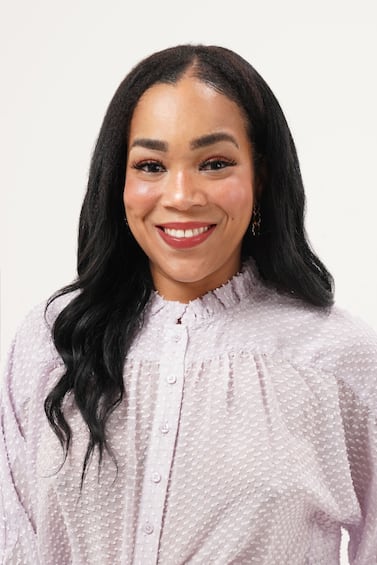
Sheena Butler-Young is Senior Correspondent at The Business of Fashion. She is based in New York and covers workplace, talent and issues surrounding diversity and inclusion.

Brian Baskin is Executive Editor at The Business of Fashion. He is based in New York and oversees BoF's beauty, retail, direct-to-consumer, technology, marketing and workplace verticals.
This week on The Debrief, BoF correspondent Lei Takanashi explains why the industry remains tethered to a small circle of established rap stars and whether a new generation of talent can break through.
Influencer marketing is bigger than ever, but it’s also become more complex as the number of creators multiplies, consumers grow more resistant to blatant ads, platforms like Substack gain traction and new tools for tracking performance appear. Fashion brands need to update their strategies.
With influencer marketing sector expected to hit $44 billion this year, The Business of Fashion is looking deeper at this rapidly changing industry with a special package on the stakes it’s facing today.
After a year of experimentation and noise, 2026 marks a pivot for fashion marketers toward slower advertising, more thoughtful creative risks and human connection, as brands recalibrate how to entertain, engage and earn trust in an age of AI and consumer exhaustion.
Christine Hunsicker admitted she falsified financial statements to promote CaaStle Inc. as a valuable, growing business when in reality it was struggling.
The American cosmetic giant’s buyout of Ayurvedic beauty line Forest Essentials came as a surprise. By picking an under-the-radar brand it knows well, the company can show that it’s still in the M&A game without needing to outbid rivals.
The underwear company is anticipating net sales of at least $6.85 billion in the current fiscal year, exceeding analyst estimates and marking the highest revenue since its split from L Brands Inc in 2021.
The Japanese brand is accelerating its expansion in India to capture a greater share of the rapidly growing apparel market and affluent consumer base.


