
Agenda-setting intelligence, analysis and advice for the global fashion community.
Agenda-setting intelligence, analysis and advice for the global fashion community.

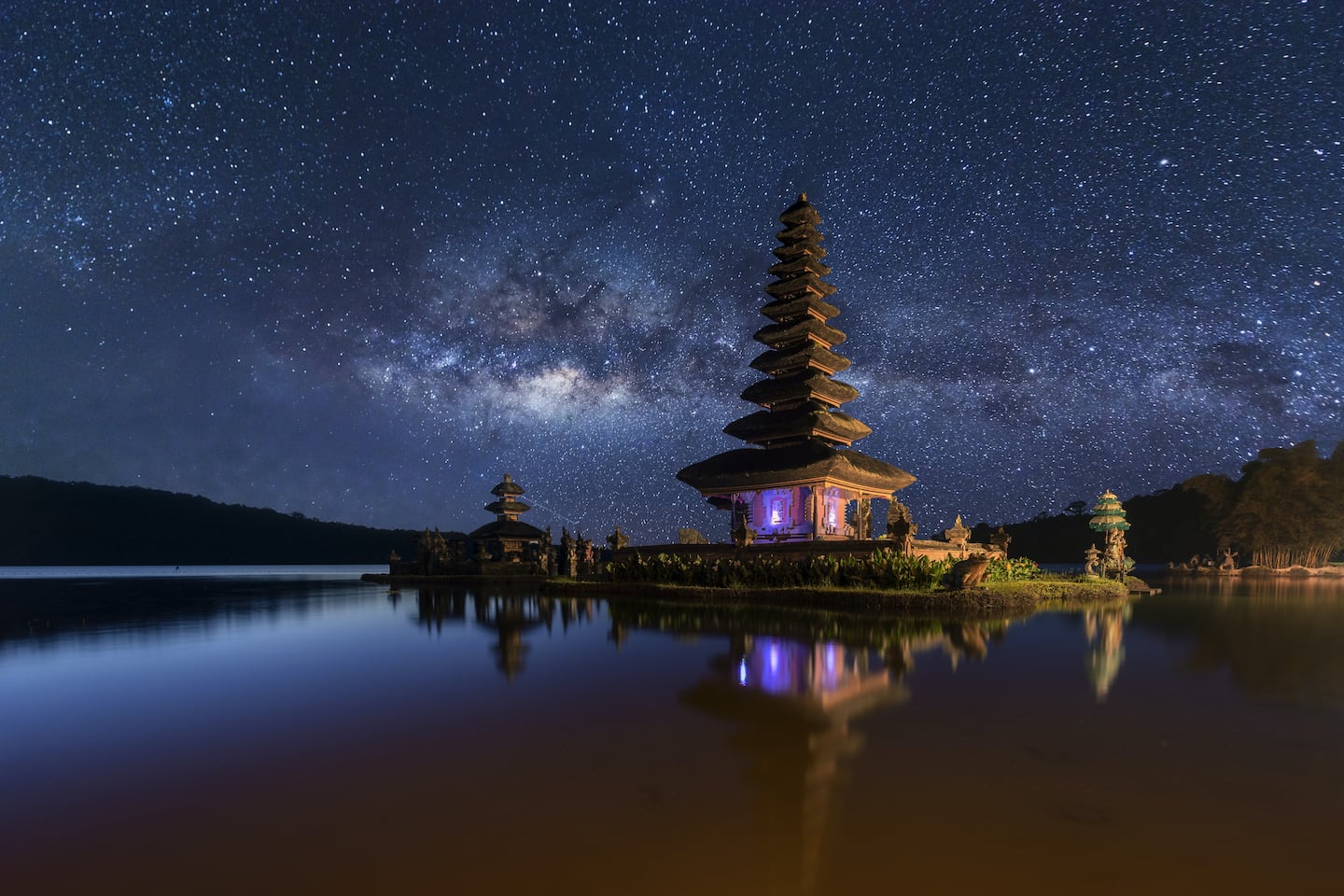
BALI, Indonesia — Wednesday March 25 was Nyepi, a very sacred day here in Bali. It's called the Day of Silence and, for 24 hours of compulsory stillness, quietness, fasting and meditation are practised all over the island. It's a tradition that goes back hundreds of years. And on Wednesday, as before, electricity and internet were shut off. There were no cars, motorbikes or bicycles on the streets. The international airport in Denpasar forbade flights to take-off or land.
“The silence touches every insect, plant and grain of soil on the island. It allows nature to breathe,” my Balinese friend Maya Kerthyasa explained.
This was my fourth Nyepi in this tropical paradise, where I have lived since 2016, and I gratefully accept that this is a day when we deny ourselves every external stimulation in order to find space to self-reflect and dive into our own consciousness. We are, in fact, isolated for the benefit of our own selves.
Strangely, I find something Nyepi-like in the lockdowns that the Covid-19 pandemic has imposed on us. Covid-19 has afforded us cantankerous, hurried people with time and, indeed, a kind of forced introspection, laced with plenty of existential angst. How do we experience this visceral vacuum? Nyepi teaches us that, with no man-made noise or light, one can get a glimpse of the cosmos at night, the Milky Way shining down on us; it can also exacerbate our fears and force us to rethink and recalibrate our place and purpose on earth.
ADVERTISEMENT
Our lives have come to a crippling halt because of Covid-19, and I find myself wondering, now that I really don’t know what my future looks like, what it really means to live in the moment. How do I even envision a future when professional touchstones like ambition sound hollow?
Sustainability is not just about wearing an organic t-shirt. It has to be a way of life.
Speaking of professions, when I made my last visit to my neighbourhood farmers and fishermen before lockdown, I was suddenly struck by their perennial commitment to till the land and sail on tumultuous oceans, just so I had fresh food on my table. I realised they spoke a different language — about the reciprocity of taking and receiving. It’s the idea that: “We don’t stand on the land; we are the land.” This, in my opinion, is the true language of sustainability. And before Covid-19, the traditional farmers and fishermen — our simple everyday heroes — and the outlook that is intrinsic to their work, was invisible to so many of us.
But now, for the first time, I think, people all around the world are getting a sense of what sustainability really means. It is personal. It is about every day, ordinary choices that have extraordinary impact on the world. We know today, living in isolation, that beyond our basic needs — clean air and water, wholesome food and the company of loved ones — everything else seems excessive and greedy. So, sustainability will now be an act of conscious living, whereby we acknowledge that 'more and more,' 'faster, not fewer' and 'bigger is better' will not sustain us anymore. While we sit in our homes contemplating a world that will, perhaps, change dramatically henceforth, we have to dig deep to make amends with our past behaviours, especially the blind consumerism that underpins so much of the fashion system.
When we get back on our feet, we must ask ourselves: what does the fashion consumer, the manager, the employee of tomorrow look like? I imagine that there will be a profound awakening after this time of crisis. In order for us to be sustainable as an industry — and as human beings — we must break old patterns and find new, more elevated ways of living. Sustainability is not just about wearing an organic t-shirt. It has to be a way of life. It is not gods and goddesses pixilated in our imagination that will come to save us, but the salvation of our planet that's comes from us committing to peacefully co-existing with nature.
Bandana Tewari is a lifestyle editor and sustainability activist and was formerly editor-at-large at Vogue India.
Related Articles:
[ No Company Will Survive Coronavirus AloneOpens in new window ]
[ The Year Ahead: Sustainability Takes Centre StageOpens in new window ]
[ How Sustainability Became Fashion’s New BattlegroundOpens in new window ]
[ Making the Business Case for SustainabilityOpens in new window ]
Coach-owner Tapestry’s new carbon-removal partnership and brands making fresh commitments to textile-to-textile recycling startups show an industry searching for ways to address its environmental impact.
A new group of brand partners, including Reformation and C&A, is joining the poly-cotton recycler’s long-term commercialisation program only weeks after its debut, signalling growing demand as the company gears up for industrial-scale production in Europe.
The consumer base for activewear made of natural materials like cotton and wool is growing, as more people on the political right join progressives in worrying about the health effects of polyester and other synthetics.
The sustainable materials company, which closed its Swedish factory in 2024, is opening it again after a year of restructuring.
Sex sells — if anyone can figure out what sexy means in 2026. Robert Williams tracks the search for a new silhouette at Kering’s Gucci, LVMH’s Dior and more.
Christine Hunsicker admitted she falsified financial statements to promote CaaStle Inc. as a valuable, growing business when in reality it was struggling.
The American cosmetic giant’s buyout of Ayurvedic beauty line Forest Essentials came as a surprise. By picking an under-the-radar brand it knows well, the company can show that it’s still in the M&A game without needing to outbid rivals.
The underwear company is anticipating net sales of at least $6.85 billion in the current fiscal year, exceeding analyst estimates and marking the highest revenue since its split from L Brands Inc in 2021.


