
Agenda-setting intelligence, analysis and advice for the global fashion community.
Agenda-setting intelligence, analysis and advice for the global fashion community.

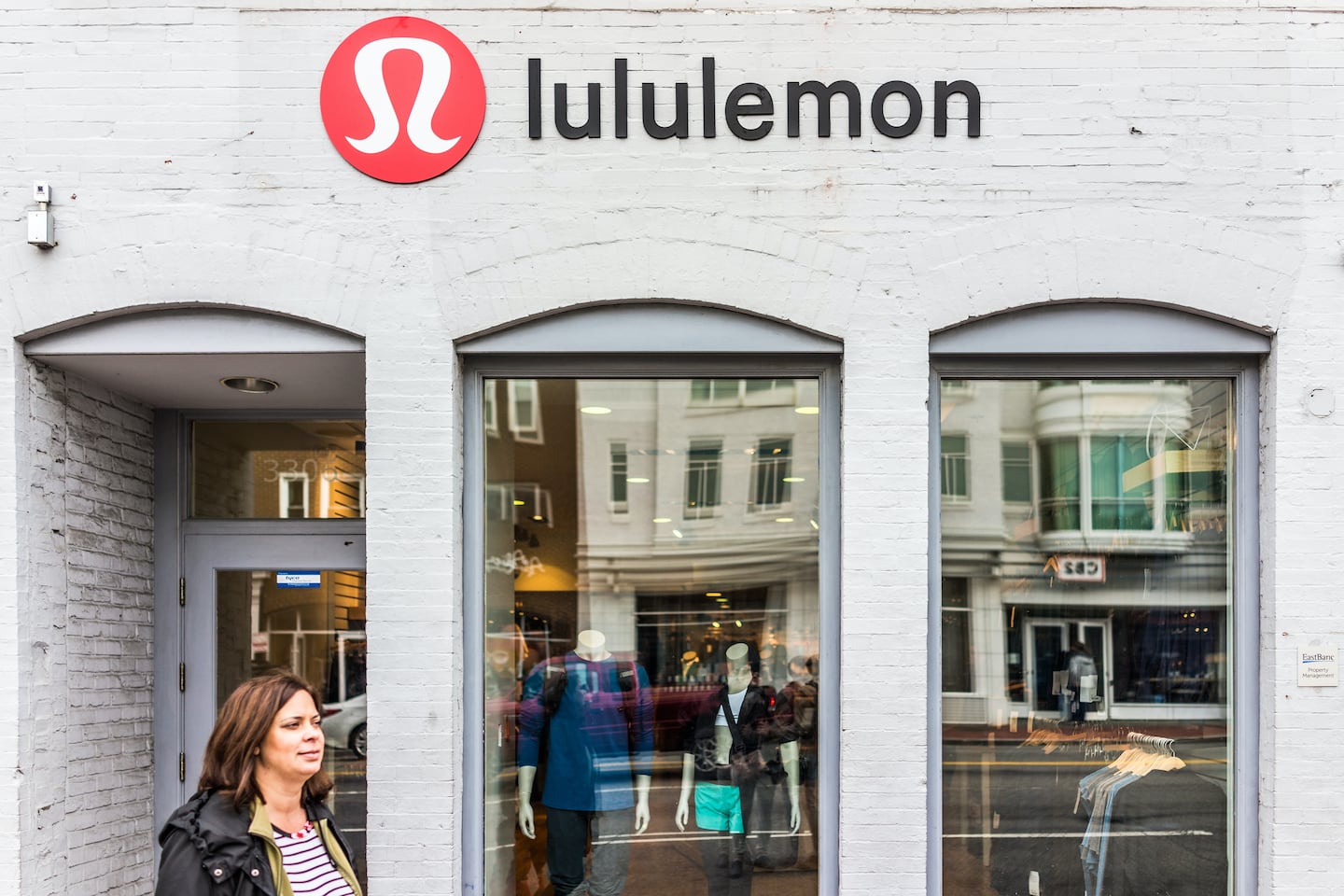
NEW YORK, United States — Lululemon Athletica Inc. investors need to take a deep breath.
Shares in the yoga-gear maker plunged more than 20 percent on Thursday after it warned investors that first-quarter sales at established stores would come in lower than the year before. If so, this would be the first decline in comparable sales since 2009 (in constant dollars).
These are worrisome signs. But the market's tantrum seems a bit overblown.
For one thing, Lululemon says it expects comparable sales to increase for the full year and reiterated it's on track to reach its goal of doubling revenue to $4 billion by 2020.
ADVERTISEMENT
If you're skeptical, just look at the fourth quarter numbers released late Wednesday. When other retailers struggled to bring in customers during the cutthroat holiday season, Lululemon managed an 8 percent increase in comparable sales.
Judging by solid profit-margin growth, it also managed to generate those sales without the wild discounting used by many of its peers. For the first time in three years, Lululemon posted operating income growth. And it kept its inventory levels low, which means it was able to sell most of the stuff it made.
That's important because Lululemon already expects its customers to shell out more than $100 for a pair of its stretchy leggings. And while other retailers are desperately discounting just to get customers to shop with them, Lululemon has managed to keep raising prices. That pricing power alone speaks to the brand's loyal devotees, who are willing to spend at Lululemon even as they cut back spending at other retailers.
Because it's more of a specialty retailer, whipsawing with fashion hits and misses, Lululemon's shares tend to be pretty volatile. That volatility ratchets up after earnings releases: Shares have posted double-digit swings following quarterly earnings announcements in seven of the past eight quarters.
This time around, Wall Street analysts spooked by the downbeat first-quarter forecast had their own knee-jerk reactions. More than two dozen analysts followed by Bloomberg reduced their price targets following the release, with a number of analysts downgrading the stock to the equivalent of "hold" from "buy."
It would have been easy for Lululemon CEO Laurent Potdevin to blame the weak first-quarter outlook on the recent rash of bankruptcies among sports and outdoor retailers. Or the overall retail environment. Or the election. Or the weather. Plenty of other retail management teams fell back on such excuses this past quarter.
But Potdevin took ownership of Lululemon's missteps, using the earnings call to explain how the company plans to respond by introducing more colourful leggings, tops, and sports bras. Executives also laid out steps to increase online sales by making the company's mobile and web sites more exciting and easy to use. And they emphasised a slew of new offerings in bras, jackets, outerwear and accessories that will land later this year.
Lululemon certainly has some big challenges, including rejuvenating online sales growth (the fourth quarter's 12 percent growth trails the overall market). It also needs to be careful with new store openings -- it expects to increase square footage by 12 percent this year, with 50 new stores -- getting international expansion right, and reversing poor customer traffic trends.
But any suggestion Lululemon will suffer the same fate as Sports Authority or other bankrupt athletic-gear stores, as the recent stock sell-off suggests, is a bit of a stretch.
 This column does not necessarily reflect the opinion of Bloomberg LP and its owners. The views expressed in Op-Ed pieces are those of the author and do not necessarily reflect the views of The Business of Fashion.
While $1.75 billion in court-approved funding has brought labels back to the fold, the real test for vendors will come when that temporary safety net vanishes later this year.
A growing number of mass and premium brands are pushing upmarket with a more luxe look, better materials and, often, higher prices. This case study unpacks how these labels are navigating the tricky challenge of elevating a brand.
Brands from Prada to Abercrombie & Fitch will provide clarity on how the fashion industry is approaching the newly uncertain trade landscape. Plus, a preview of Paris Fashion Week.
The goods come from more than 380 brands, including Burberry and those owned by luxury powerhouses LVMH and Kering.
The activewear giant seems intent on turning its nearly 40-year-old niche outdoor fashion brand into a mainstream success. The plan hinges on convincing backpackers and athletes its rugged technical gear can perform just as well as The North Face or Arc’teryx.
It’s not an existential crisis — yet — but Rick Owens and Daniel Roseberry confront some headscratchers in their latest collections.
Stick with the program or switch it up? Angelo Flaccavento reports on Chloé, Rabanne, Schiaparelli, Rick Owens and Uma Wang.
The brands Gap and Banana Republic beat comparable sales estimates.


