
Agenda-setting intelligence, analysis and advice for the global fashion community.
Agenda-setting intelligence, analysis and advice for the global fashion community.

Income inequality is luxury’s best friend. Indeed, dynamics which elevate some but not others, goes hand-in-hand with luxury market growth. Flush with cash, people who get richer purchase designer handbags and flashy cars to confirm and communicate their freshly acquired status.
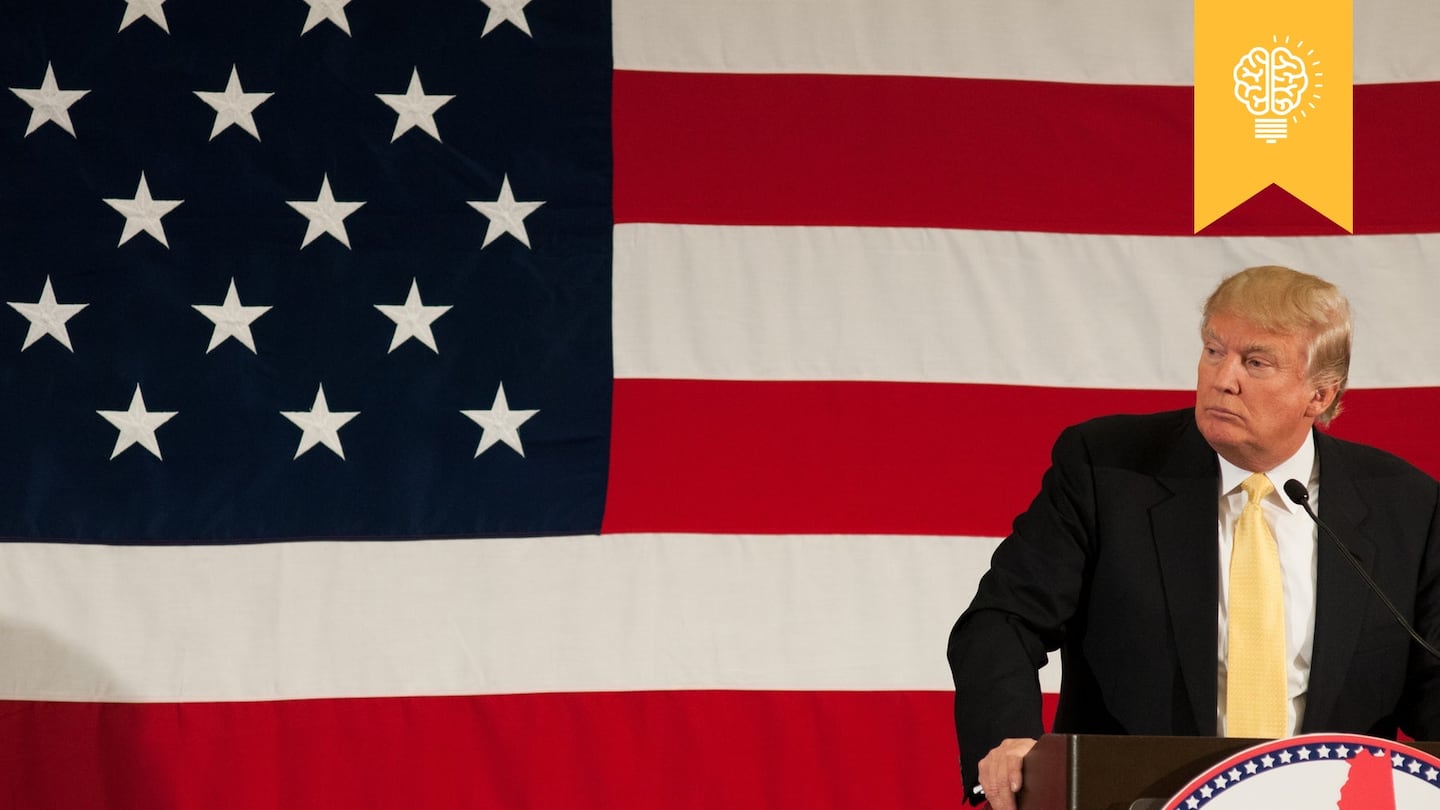
This axiom may best be epitomised by China, but it is no less applicable to the US: the underlying upward trend in American luxury spending over the past 50 years has gone hand-in-hand with growing income inequality. What’s more, increases and cuts into US marginal tax rates have caused lulls and spikes in luxury spending. So, it seems reasonable to expect President Trump’s tax reform — with federal tax rates slashed almost across the board — to be a boon for luxury goods companies. I don’t think this will be the case, however, at least not at the higher end of the market.
The problem with the reform is that it also eliminates important deductions. Prior to the reform, taxpayers could deduct state and local property taxes, as well as state income taxes and sales tax from their federal return. Going forward, these deductions will be killed or capped.
Although the reforms are applicable nationwide, the severity of the impact is regional, as state taxes are generally higher on the East and West coasts of the country than in middle America. So, high-income citizens on the coasts stand to gain the least or lose the most, with the hit being hardest on those in the higher income brackets.
ADVERTISEMENT
Wealthy consumers where demand for luxury is highest are going to be worse off, likely denting sales.
Take two households, one with annual income of $100,000, the other $500,000. My modelling shows that whereas the former would be a net gainer in New York, California or Texas, the latter would be a net loser in New York and California, though better off in Texas.
Now, looking at where the big luxury groups have positioned their distribution networks, we see that megabrands like Louis Vuitton, Gucci and Cartier are all largely concentrated on the East and West coasts. In between, lies a high luxury desert. So, in sum, wealthy consumers where demand for luxury is highest are going to be worse off, likely denting sales.
The winners will be people living in the heart of the USA, where state taxes are generally lower. The tax reform is a net positive for them. These are, in many cases, the same people who voted for President Trump. They are also core consumers of American accessible luxury brands like Coach and Michael Kors, whose retail networks are more evenly distributed.
So, rather than a boon, maybe we should add US tax reform to the list of things that could moderate demand for luxury giants in 2018.
Luca Solca is the head of luxury goods at BNP Exane Paribas.
Related Articles:
[ Doing Business in Trump’s AmericaOpens in new window ]
[ Counting on the USA: Fashion, Trump and America's $500 Billion Trade DeficitOpens in new window ]
Sex sells — if anyone can figure out what sexy means in 2026. Robert Williams tracks the search for a new silhouette at Kering’s Gucci, LVMH’s Dior and more.
Strong growth at Miu Miu helped lift results, but the Italian luxury group said that integrating Versace will weigh on margins in the near term as it begins the turnaround of the struggling brand
After Swatch Group launched an attack on Morgan Stanley’s influential annual watch report, Swatch-owned Tissot cracks open the door for a glimpse at some numbers and Robin Swithinbank says it’s time a secretive industry came clean on financials.
Half a year after Giorgio Armani’s death, it appears to be business as usual at the sprawling fashion empire while potential investors continue to circle with no firm bid in sight.
The brands Gap and Banana Republic beat comparable sales estimates.
Sex sells — if anyone can figure out what sexy means in 2026. Robert Williams tracks the search for a new silhouette at Kering’s Gucci, LVMH’s Dior and more.
Christine Hunsicker admitted she falsified financial statements to promote CaaStle Inc. as a valuable, growing business when in reality it was struggling.
The American cosmetic giant’s buyout of Ayurvedic beauty line Forest Essentials came as a surprise. By picking an under-the-radar brand it knows well, the company can show that it’s still in the M&A game without needing to outbid rivals.


