Agenda-setting intelligence, analysis and advice for the global fashion community.
Agenda-setting intelligence, analysis and advice for the global fashion community.

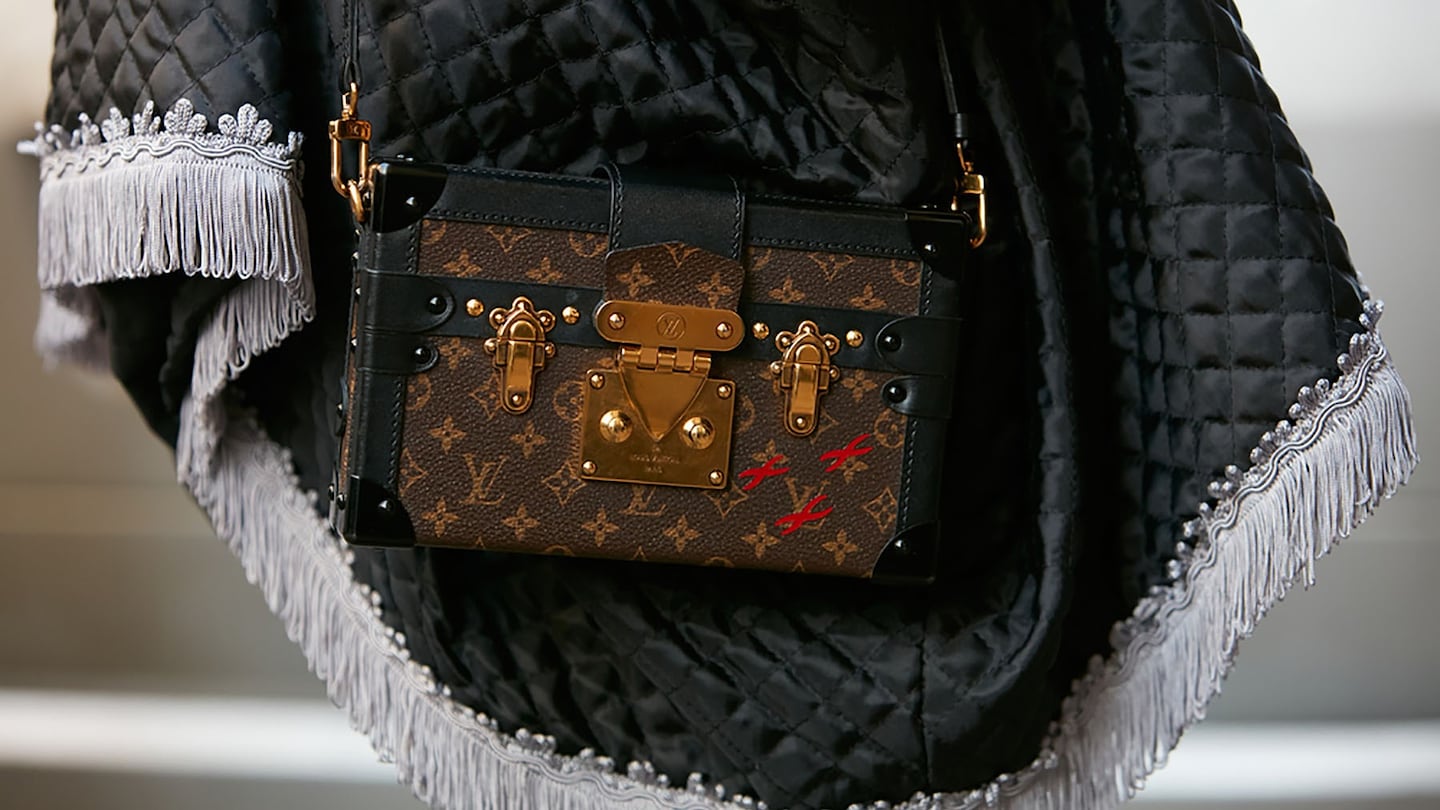
PARIS, France — Just how many Louis Vuitton monogrammed handbags does the world need? A lot, it seems.
Strong demand at the label best known for its coated canvas totes helped parent LVMH deliver better than expected organic sales growth in its fashion and leather goods division in the first quarter, and across the group.
The performance, all the more impressive given that it compares with a very strong period a year earlier, cements LVMH's position as the sector's wardrobe workhorse. Little wonder that the shares reached an all-time high on Tuesday.
The group is demonstrating that the luxury party that began in the second half of 2016 is still in full swing. But there are reasons to be cautious.
ADVERTISEMENT
First, much of the demand that fuelled LVMH's growth has come from China.
The country's consumers are back after a crackdown on extravagance and a slowdown in the economy took their toll. There has undoubtedly been an element of catching up after the hiatus, and that super-charged spending might start to wane as the year progresses. What's more, the strong euro could deter Chinese shoppers from travelling to Europe, where they tend to splash out more.
There is a further risk to Chinese demand if trade tensions with the U.S. escalate, or draw in other countries — though LVMH is a French company, it's hard to see that these issues can't touch it. The spat could create a drag on Chinese economic growth and damage sentiment among the nation's consumers, making them less inclined to go on a high-end shopping spree. Given they account for about 40 percent of luxury goods groups' sales, according to analysts at HSBC, this represents a significant risk to the industry.
But there are other regions to worry about. Though the U.S. has been another bright spot, stock market volatility this year will do little to encourage the feeling of prosperity that's crucial for confidence to spend on expensive watches or designer fashion.
Any slowdown might actually work in LVMH's favour. Valuations across the sector are the highest in 12 years, but this is a story of mega-brand dominance that's left many smaller labels behind. Bernard Arnault, LVMH chief executive officer, has said that prices are too rich right now for acquisitions. This leaves him room to swoop if a shake-out comes.
His group trades on a forward price to earnings ratio of 24 times, and at a deserved premium to Kering. True, that gap could narrow — for one, the group's Gucci label still has lot going for it, even though it's already had a stellar recovery. There's also scope for a re-rating after its decision to spin-out Puma leaves it as a pure luxury player.
LVMH should nevertheless be able to retain its lead. Given its scale, and with operations spanning cosmetics to wines and spirits, it should be able to withstand pressures on the industry better than most. That also makes it well placed to pick off weaker rivals when the bling binge finally comes to an end.
By Andrea Felsted; editor: Jennifer Ryan.
ADVERTISEMENT
The views expressed in Op-Ed pieces are those of the author and do not necessarily reflect the views of The Business of Fashion.
Related Articles:
[ LVMH Posts Sales Surge in Boost to Luxury SectorOpens in new window ]
Nikhil Thukral, managing partner at the LVMH-affiliated private equity fund, talks about the ingredients of winning companies, the dynamics challenging fashion's incumbents and how economic shifts are shaping investor strategies in the BoF-McKinsey State of Fashion 2025.
The fast fashion giant is reportedly close to filing to go public in London, but faces doubts about its business and the political environment.
In 2020, like many companies, the $50 billion yoga apparel brand created a new department to improve internal diversity and inclusion, and to create a more equitable playing field for minorities. In interviews with BoF, 14 current and former employees said things only got worse.
For fashion’s private market investors, deal-making may provide less-than-ideal returns and raise questions about the long-term value creation opportunities across parts of the fashion industry, reports The State of Fashion 2024.
Her third runway show for the brand is a growth spurt for Sarah Burton, writes Tim Blanks.
From Loewe to Yohji Yamamoto, the fifth day of Paris fashion week featured recently installed designers rolling out fresh identities and unbeatable masters being themselves.
The Supreme Court did not say how the collected tariffs should be refunded when it struck Trump’s economic policy down as unconstitutional last month, leaving small importers worried the process would be expensive and time-consuming.
Escalating conflict in the Middle East is exposing how quickly geopolitics can disrupt even luxury’s most carefully cultivated retail hubs.