Agenda-setting intelligence, analysis and advice for the global fashion community.
Agenda-setting intelligence, analysis and advice for the global fashion community.

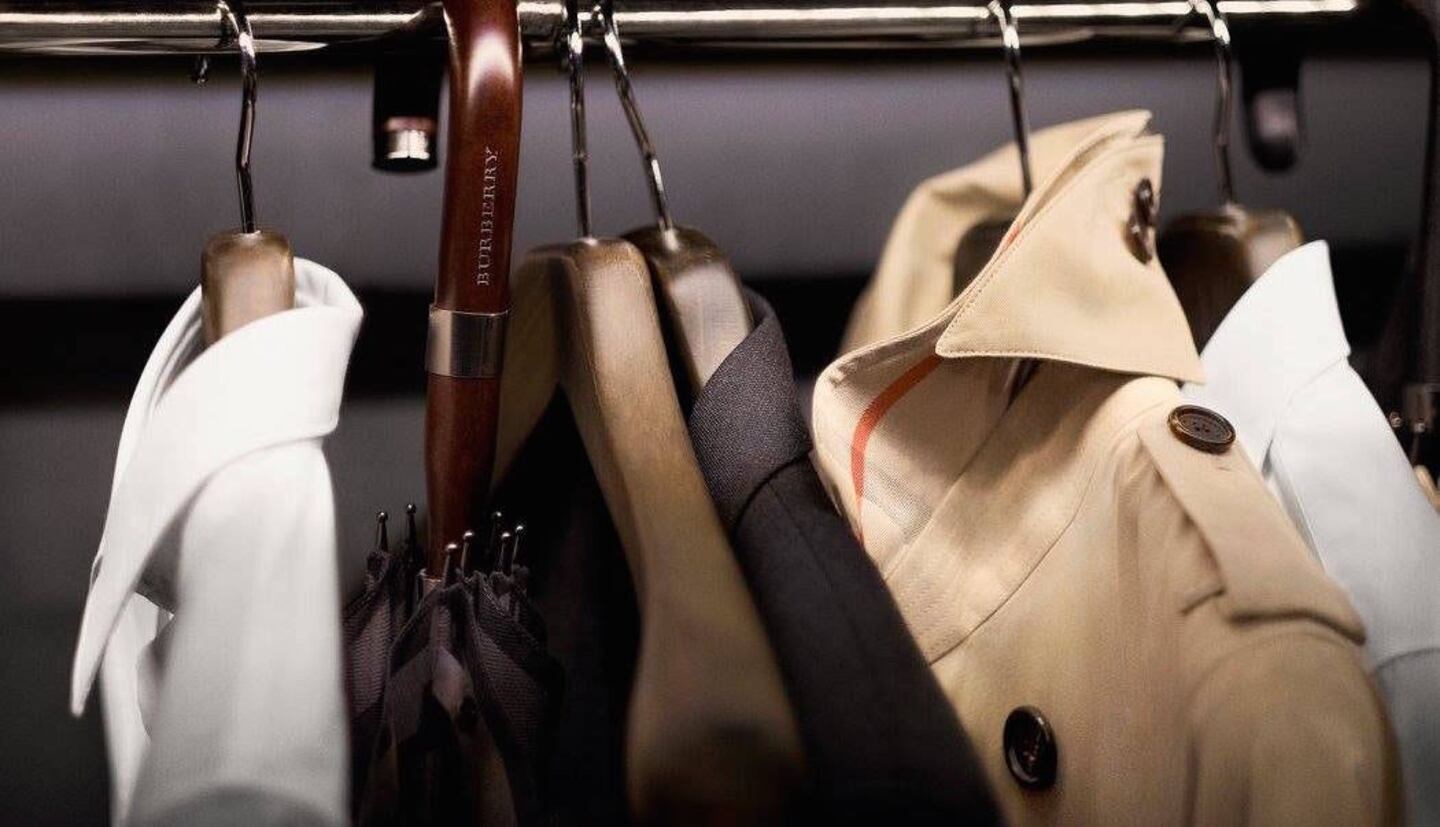
LONDON, United Kingdom — Burberry's Brexit boost is finally fizzling out.
The British luxury brand on Wednesday reported fourth quarter same-store sales growth of 2 percent, below the 5 percent forecast by analysts and a deceleration from 3 percent expansion in the third quarter.
Expectations had drifted up after LVMH's forecast-busting first quarter sales growth last week raised the bar for all luxury rivals. Unfortunately, Burberry didn't reach anywhere near high enough, highlighting that the global luxury revival has not been evenly spread.
Burberry has benefited from the slump in sterling that has made its checked scarves cheaper to travelling luxury consumers. But that wasn't enough to offset difficulties elsewhere.
ADVERTISEMENT
And while Burberry gained to the tune of £130 million ($166.7 million) in the year to March 2017 from translating its overseas earnings into sterling, this will be offset in the current financial year as the higher cost of sourcing bites, landing the company with a £10 million-hit to pre-tax profit. It hopes to make this up with better trading, but that remains to be seen.
Even after shares fell more than 5 percent after the report, at one point having their worst day since October 2015, they're still up about 25 percent over the past year. They trade on a forward price to earnings ratio of 19 times.
Although that's a slight discount to the Bloomberg Intelligence luxury peer group, it still looks as pricey as a Burberry trenchcoat, given that the lift from weaker sterling is fading, and that other luxury houses such as LVMH, Kering SA and Hermes International are better placed to capitalise on the luxury revival.
Currency has been a useful fillip while Burberry waits for new chief executive Marco Gobbetti to take up the CEO role in July — he's been confined to serving as executive chairman of its Asian and Middle East businesses since January because of contractual commitments.
But for Burberry to justify its rating, as Gadfly has argued, Gobbetti needs to not only improve Burberry's stores and cut its bloated cost base, but inject more excitement into its products too.
Where the company has reinvigorated its designs, it has paid off, for example in leather goods. But it needs to do more, and that might prove to be tricky with Christopher Bailey remaining as chief creative officer.
If Gobbetti doesn't deliver, someone else might just do it for him. Burberry is one of the few luxury groups unencumbered with a family shareholding, and is forecast to have net cash of about £660 million. Global rivals have plenty of firepower for M&A, while billionaire investor Albert Frère recently took a 3 percent stake.
Brexit hasn't only made Burberry ponchos cheaper. It makes Burberry more easily digestible to a big global rival. Gobbetti needs to bear this in mind as he prepares his strategic blueprint.
By Andrea Felsted; editor: Jennifer Ryan. The views expressed in Op-Ed pieces are those of the author and do not necessarily reflect the views of The Business of Fashion. This column does not necessarily reflect the opinion of Bloomberg LP and its owners.
Her third runway show for the brand is a growth spurt for Sarah Burton, writes Tim Blanks.
From Loewe to Yohji Yamamoto, the fifth day of Paris fashion week featured recently installed designers rolling out fresh identities and unbeatable masters being themselves.
The Supreme Court did not say how the collected tariffs should be refunded when it struck Trump’s economic policy down as unconstitutional last month, leaving small importers worried the process would be expensive and time-consuming.
Escalating conflict in the Middle East is exposing how quickly geopolitics can disrupt even luxury’s most carefully cultivated retail hubs.