Agenda-setting intelligence, analysis and advice for the global fashion community.
Agenda-setting intelligence, analysis and advice for the global fashion community.

NEW YORK, United States — It was all going so well in luxuryland.
China is rebounding, tourists are flocking to Europe once more for Gucci shoes and Prada bags, and even the slump in Swiss watch sales is less horrific.
So what could possibly go wrong? The answer is the mooted US Border Adjustment Tax, which would introduce a 20 percent levy on goods sold in the country, minus an adjustment for manufacturing and other costs incurred there. It would penalise companies that manufacture overseas and is intended to promote American jobs, according to Barclays.
It's little wonder that European luxury groups are fretting about the tax — while they're in much better shape than their US counterparts, as Gadfly has noted, BAT is one of the factors that could even things out.
ADVERTISEMENT
European luxury groups are at risk because they derive about 20 percent of their sales in the US on average, but source mostly in Europe, according to analysts at JP Morgan Cazenove.
Much of luxury's appeal is based on provenance — part of the attraction of a Burberry trench coat is that it was made in the company's factory in Yorkshire. So there's limited scope to shift manufacturing to the US and benefit from the offset to the sales tax.
However, the industry does have some defenses.
First, companies tend to have have fat gross margins, typically between about 62 percent and 70 percent. That gives them the scope to absorb the extra tax instead of passing along the hit to customers, something they'd likely want to avoid as luxury groups are only just emerging from years of weak demand.
Still, if they have to raise prices, shoppers for a $20,000 Rolex watch are better able to handle it than those buying a $2 t-shirt in Primark. And high-spending tourists also can continue shifting their purchases from the US to another market anyway, something they started doing since the dollar started to appreciate.
True, at the lower end of the luxury spectrum — think a bottom-of-the-range designer bag — pricing power might not be so great. But such items are less wedded to a particular place of production. LVMH already produces some Louis Vuitton products in the US, and after meeting President Donald Trump, chief executive officer Bernard Arnault said the company could ratchet that up further.
And the pain will be spread around. The US names, such as Michael Kors, Coach and Ralph Lauren, also largely manufacture outside of the country. With the current problems at some American brands, they might actually have less scope to lift prices than their European counterparts. It's even worse on Main Street, where shoppers' addiction to discounts underpins retailers' charge against BAT, as Gadfly's Shelly Banjo points out.
Where luxury meets sportswear, the potential damage is greater. Puma, majority owned by Kering SA, has a relatively small gross margin of 46 percent. That gives them less wiggle room to absorb BAT. But on the other hand there's also some scope to switch sneaker production to the U.S.
ADVERTISEMENT
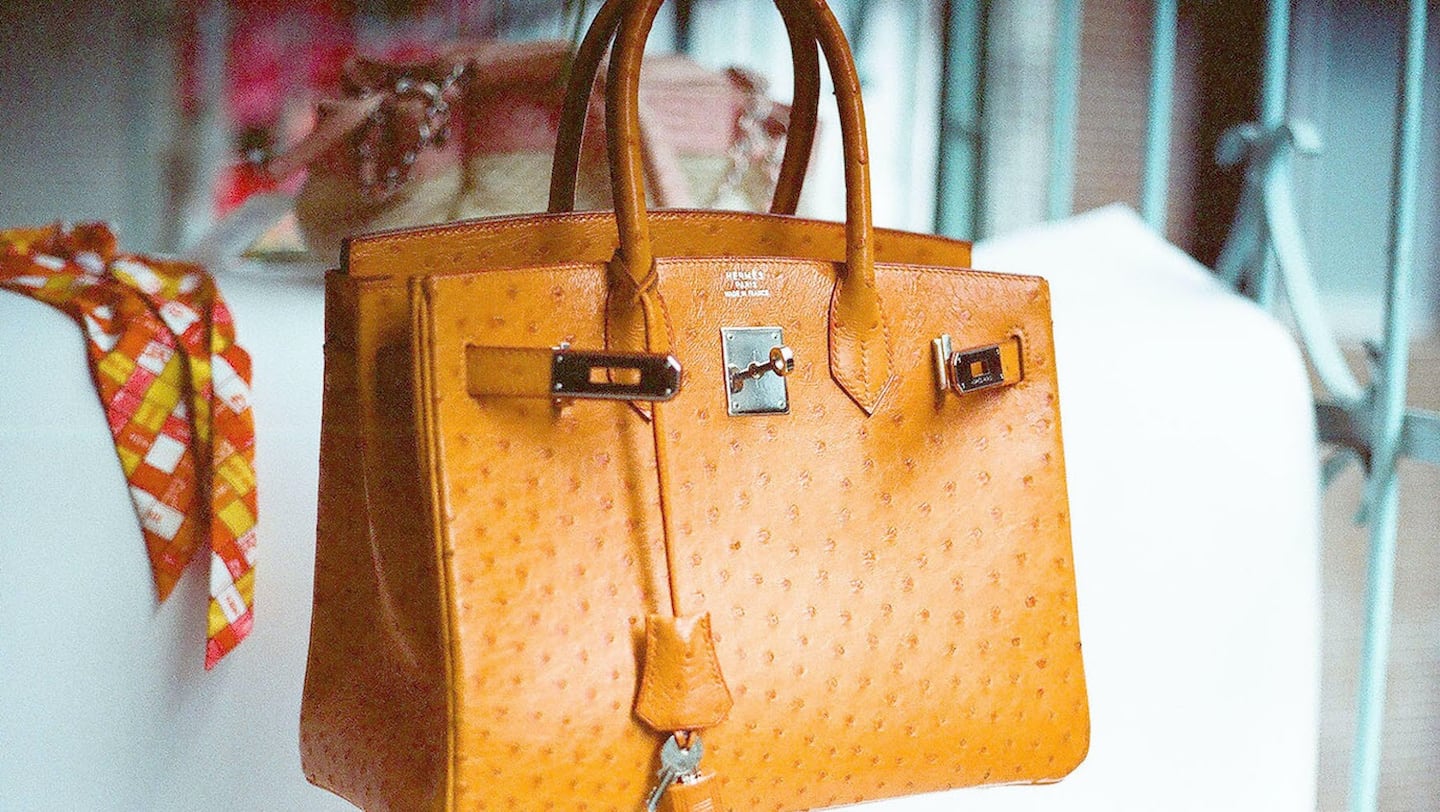
After the industry turmoil in 2015 and 2016, European luxury brands need BAT like a hole in the Hermes headscarf. But its challenges are not insurmountable.
By Andrea Felsted. This column does not necessarily reflect the opinion of Bloomberg LP and its owners.
Nikhil Thukral, managing partner at the LVMH-affiliated private equity fund, talks about the ingredients of winning companies, the dynamics challenging fashion's incumbents and how economic shifts are shaping investor strategies in the BoF-McKinsey State of Fashion 2025.
The fast fashion giant is reportedly close to filing to go public in London, but faces doubts about its business and the political environment.
In 2020, like many companies, the $50 billion yoga apparel brand created a new department to improve internal diversity and inclusion, and to create a more equitable playing field for minorities. In interviews with BoF, 14 current and former employees said things only got worse.
For fashion’s private market investors, deal-making may provide less-than-ideal returns and raise questions about the long-term value creation opportunities across parts of the fashion industry, reports The State of Fashion 2024.
The activewear giant seems intent on turning its nearly 40-year-old niche outdoor fashion brand into a mainstream success. The plan hinges on convincing backpackers and athletes its rugged technical gear can perform just as well as The North Face or Arc’teryx.
It’s not an existential crisis — yet — but Rick Owens and Daniel Roseberry confront some headscratchers in their latest collections.
Stick with the program or switch it up? Angelo Flaccavento reports on Chloé, Rabanne, Schiaparelli, Rick Owens and Uma Wang.
The brands Gap and Banana Republic beat comparable sales estimates.