
Agenda-setting intelligence, analysis and advice for the global fashion community.
Agenda-setting intelligence, analysis and advice for the global fashion community.

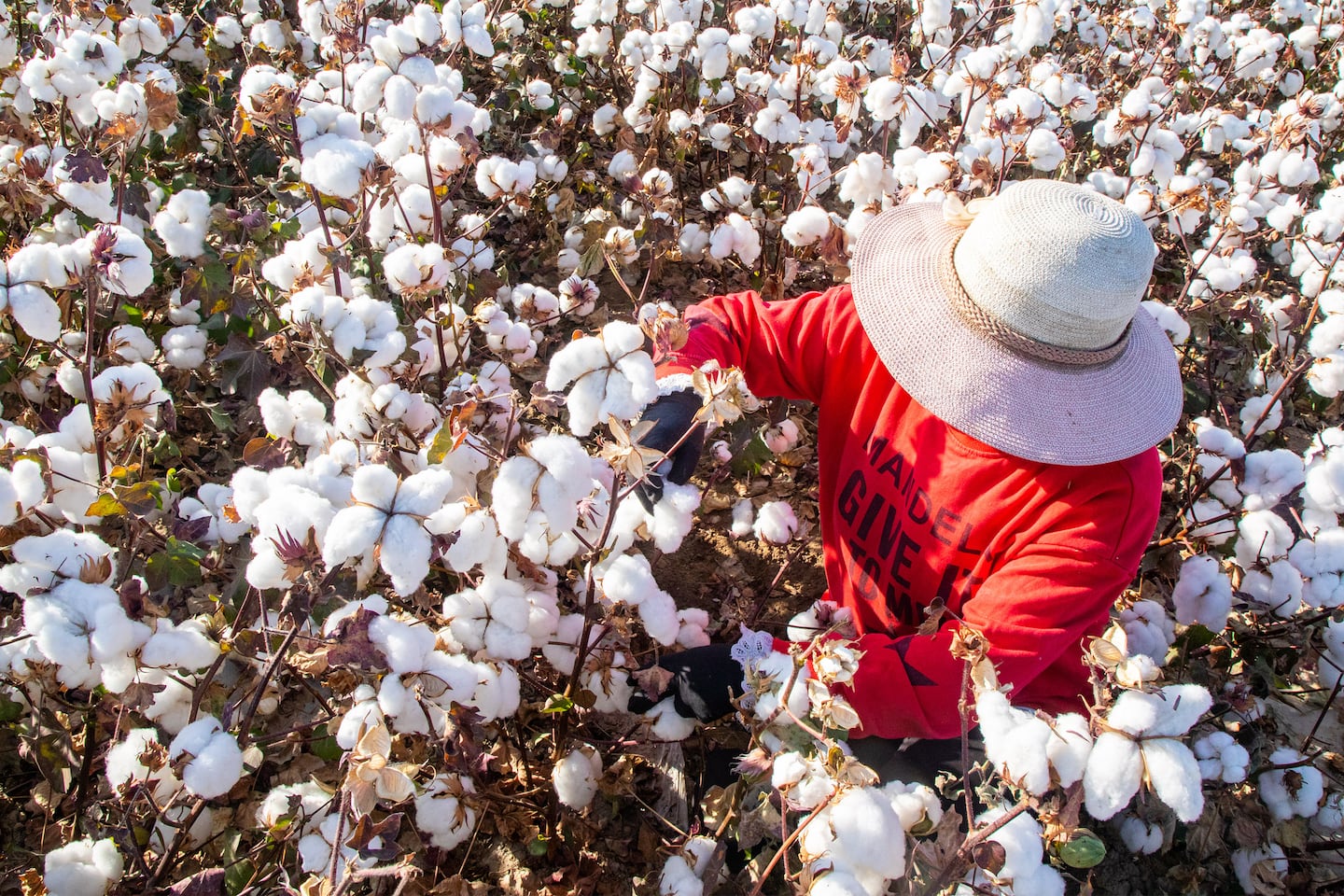
The Business, Energy and Industrial Strategy (BEIS) Committee has recommended tougher measures, including financial penalties and blacklisting firms that fail to show that their supply chains do not pass through the Xinjiang Uyghur Autonomous Region of China. The directive came in a report that said existing UK legislation surrounding supply chain transparency and modern slavery “is out of date [and] has no teeth.” The report in particular highlighted the role of the fashion industry in addressing this, noting that many industry players have “accepted that it is not currently possible to fully trace the cotton used in final products, which means cotton produced in Xinjiang could still be part of their supply chains.”
This comes amid mounting pressure for fashion companies to disclose — and extricate themselves from — the use of commodities such as cotton from the Xinjiang region of China, where human and labour rights abuses against Uighur Muslims have been widely reported. Earlier this year, US Customs and Border Protection said it would detain cotton and tomato products produced in the region.
Coach-owner Tapestry’s new carbon-removal partnership and brands making fresh commitments to textile-to-textile recycling startups show an industry searching for ways to address its environmental impact.
A new group of brand partners, including Reformation and C&A, is joining the poly-cotton recycler’s long-term commercialisation program only weeks after its debut, signalling growing demand as the company gears up for industrial-scale production in Europe.
The consumer base for activewear made of natural materials like cotton and wool is growing, as more people on the political right join progressives in worrying about the health effects of polyester and other synthetics.
The sustainable materials company, which closed its Swedish factory in 2024, is opening it again after a year of restructuring.
Stick with the program or switch it up? Angelo Flaccavento reports on Chloé, Rabanne, Schiaparelli, Rick Owens and Uma Wang.
The brands Gap and Banana Republic beat comparable sales estimates.
Sex sells — if anyone can figure out what sexy means in 2026. Robert Williams tracks the search for a new silhouette at Kering’s Gucci, LVMH’s Dior and more.
Christine Hunsicker admitted she falsified financial statements to promote CaaStle Inc. as a valuable, growing business when in reality it was struggling.


