
Agenda-setting intelligence, analysis and advice for the global fashion community.
Agenda-setting intelligence, analysis and advice for the global fashion community.

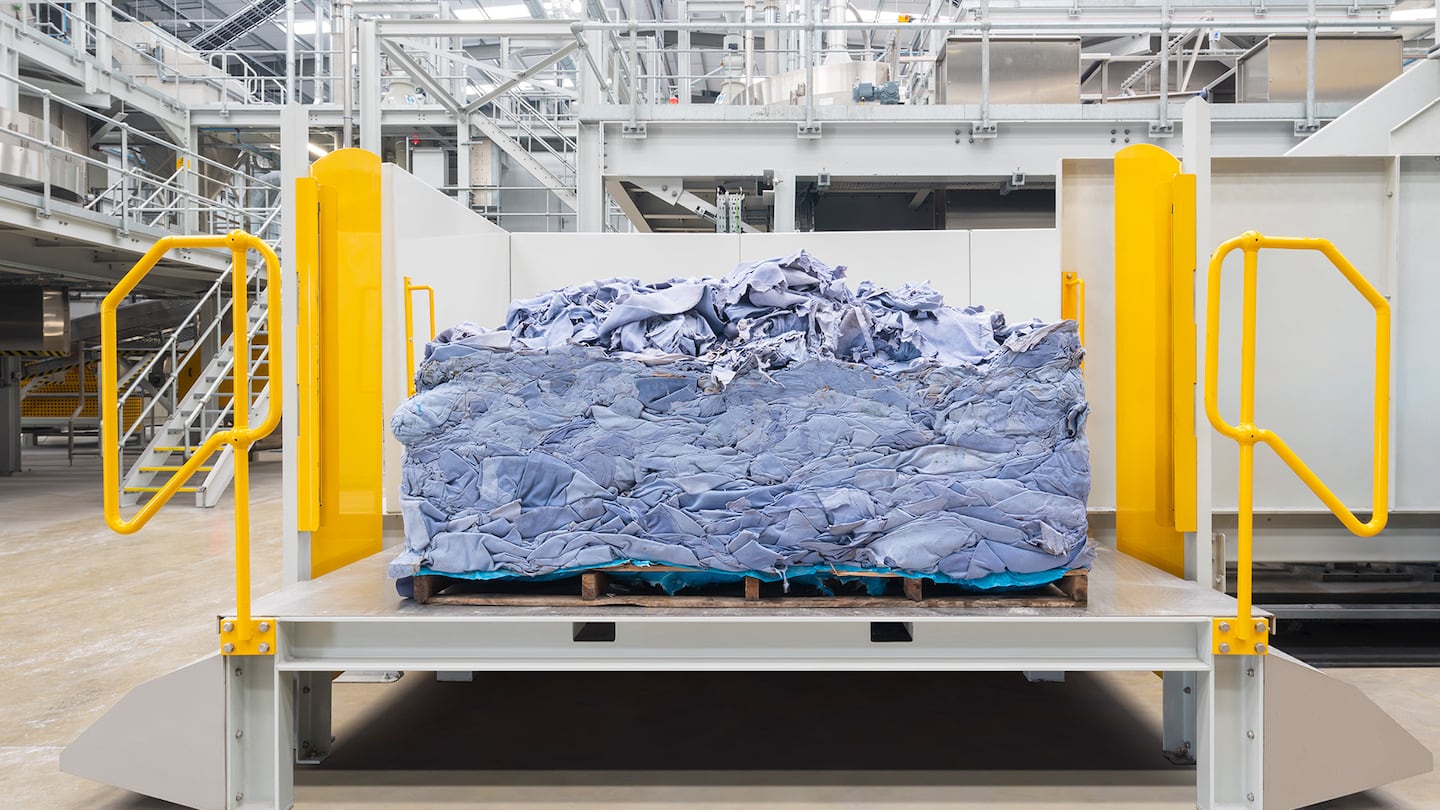
Reusable leather-maker Gen Phoenix, formerly known as Eleather, has raised $18 million in a funding round that counts Coach-owner Tapestry and boot brand Dr. Martens as investors. The round was led by venture capital firm Material Impact with participation from InMotion Ventures.
The UK-based Gen Phoenix first gained traction in the transportation industry by manufacturing seat covers using leather waste destined for the landfill. In 2017, Nike tapped the company to create its Flyleather shoe, a product made from recycled leather fibres and a polyester blend.
The new capital will allow Gen Phoenix to further penetrate consumer facing markets, including luxury fashion and footwear, and scale its operations.
Tapestry’s interest with Gen Phoenix is in line with its sustainability goals for 2025. The company, which also owns Kate Spade and Stuart Weitzman, has committed to ensuring that 90 percent of its leather supply is sourced from sustainability-certified tanneries by 2025. Tapestry also plans on sourcing 10 percent of materials using regenerative agriculture or new materials by 2035, such as Gen Phoenix’s reusable leather.
ADVERTISEMENT
So far, Gen Phoenix has allowed Tapestry to recycle its leather scraps. The two are working together to develop Tapestry’s first alternative leather product.
In leather tanneries, approximately a third of the hide is wasted through leather processing, creating blue-grey fibre-like waste that is disposed of in landfills, according to Gen Phoenix CEO John Kennedy. Using a patented process, his company is able to bond the fibres back together to create a leather-like material.
“Having sourced processed leather from tanneries, we did not have access to the waste generated from leather manufacturing,” said Vincent Golebiowski, the Global Head of Supply Chain at Tapestry. “Partnering with Gen Phoenix gives us access to new techniques of recycling the waste.”
In recent years, a number of brands have explored alternatives to animal products such as leather and fur. Many luxury labels including Chanel and Gucci have eliminated fur in their collections. Others are replacing leather with so-called “vegan leather,” a variety of materials that come from plant waste and plastic.
In 2021, Hermès announced a partnership with MycoWorks, a startup working to turn mycelium, or the root structure of a mushroom and other fungi, into a leather-like material. The alternative leather market is valued at $32 billion in 2021 and is expected to reach $67 billion in 2030, according to Straits Research.
Tapestry began working with Gen Phoenix in early 2022 to develop alternative leather products, according to Golebiowski. He said he’s hopeful the funding will accelerate this development process.
Learn more:
The Truth About ‘Vegan Leather’
Leather alternatives have been boosted as eco-innovation and dismissed as mere plastic, but the truth is more complicated than that and demands clearer marketing to avoid misleading consumers.
Coach-owner Tapestry’s new carbon-removal partnership and brands making fresh commitments to textile-to-textile recycling startups show an industry searching for ways to address its environmental impact.
A new group of brand partners, including Reformation and C&A, is joining the poly-cotton recycler’s long-term commercialisation program only weeks after its debut, signalling growing demand as the company gears up for industrial-scale production in Europe.
The consumer base for activewear made of natural materials like cotton and wool is growing, as more people on the political right join progressives in worrying about the health effects of polyester and other synthetics.
The sustainable materials company, which closed its Swedish factory in 2024, is opening it again after a year of restructuring.
The brands Gap and Banana Republic beat comparable sales estimates.
Sex sells — if anyone can figure out what sexy means in 2026. Robert Williams tracks the search for a new silhouette at Kering’s Gucci, LVMH’s Dior and more.
Christine Hunsicker admitted she falsified financial statements to promote CaaStle Inc. as a valuable, growing business when in reality it was struggling.
The American cosmetic giant’s buyout of Ayurvedic beauty line Forest Essentials came as a surprise. By picking an under-the-radar brand it knows well, the company can show that it’s still in the M&A game without needing to outbid rivals.


