
Agenda-setting intelligence, analysis and advice for the global fashion community.
Agenda-setting intelligence, analysis and advice for the global fashion community.

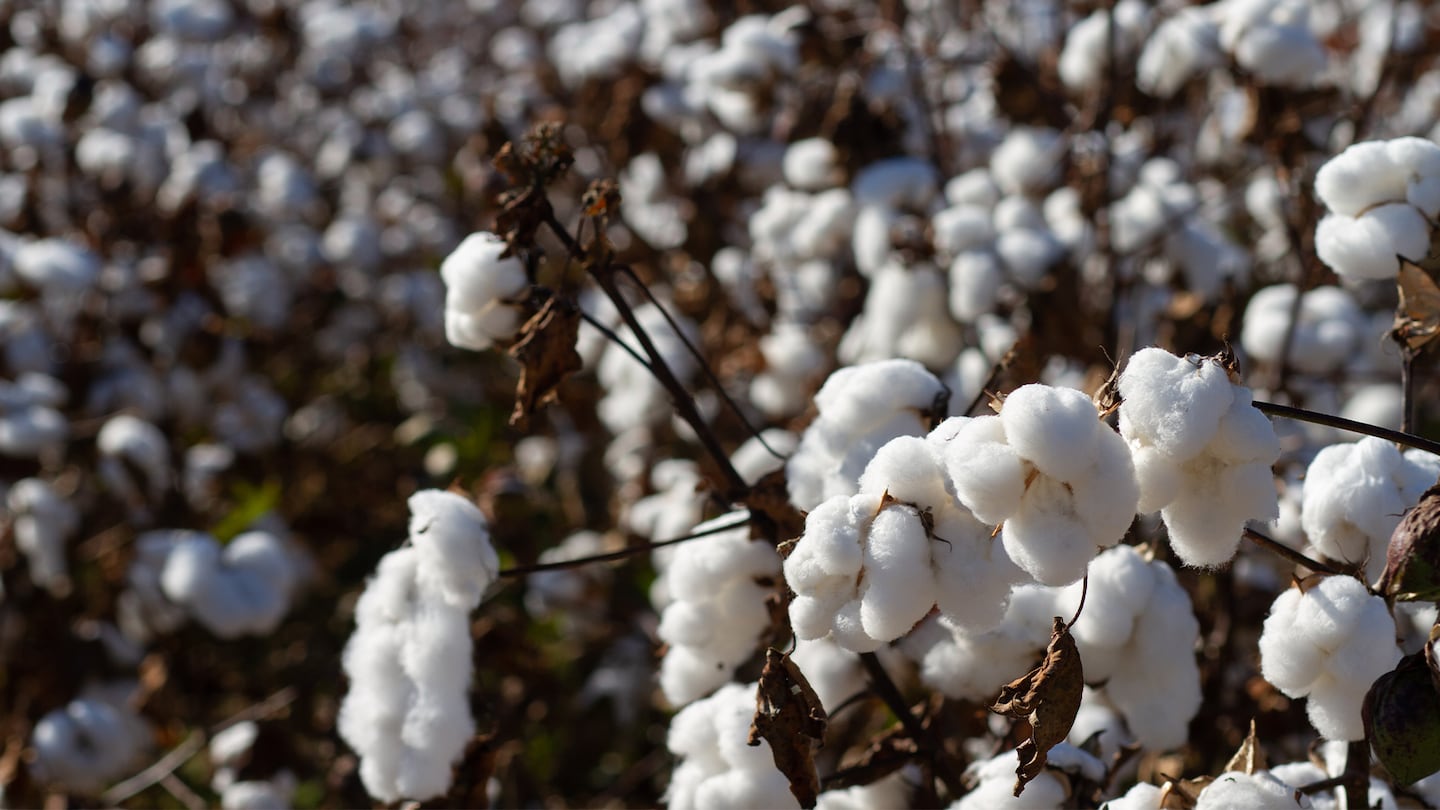
Swiss-based sustainability group Better Cotton said on Thursday it has added new functions to a platform that big retailers use to trace materials through their supply chains.
Better Cotton said retailers including Walmart and Marks and Spencer will be able to tell where cotton was grown and traded, eventually to the level of individual farms. Currently the platform tracks only the total volume of cotton produced.
Jacky Broomhead, Better Cotton senior manager, said the current functionality is much like an electrical customer who knows the sources of generation feeding their local grid, but not to individual houses. “The changes mean you’ll you know what you’re getting. You’ll be able to see the journey the cotton has taken to you as a retailer,” she said.
Created by companies and several nonprofits including the World Wildlife Fund, Better Cotton aims to support improved practices in areas like water and soil stewardship and to promote better working standards. It says it supports 2.2 million farmers globally, accounting for 22 percent of world cotton production.
ADVERTISEMENT
Fashion retailers face pressures from consumers and activist groups to sell products with less environmental impact and made in safe labor conditions.
Better Cotton has suspended its licensing of cotton sourced from the Chinese province of Xinjiang. At the time it cited factors including human-rights concerns and audit difficulties. Western retailers have faced backlash for raising human-rights issues.
Participants in the supply chain for cotton include spinners, traders and manufacturers. Marks and Spencer’s head of materials and sustainability, Katharine Beacham, said it will use the new functionality to track cotton at scale.
“By improving the traceability of our cotton further down the supply chain, we’re able to work with our suppliers more closely,” she said.
By Ross Kerber; Editor: Matthew Lewis
Learn more:
‘Better’ Materials Aren’t Enough to Dent Fashion’s Climate Impact
Fashion brands are sourcing more recycled polyester, certified cotton and deforestation-free viscose than ever, but emissions from the industry’s raw material supply chain have bounced back from pandemic lows.
Coach-owner Tapestry’s new carbon-removal partnership and brands making fresh commitments to textile-to-textile recycling startups show an industry searching for ways to address its environmental impact.
A new group of brand partners, including Reformation and C&A, is joining the poly-cotton recycler’s long-term commercialisation program only weeks after its debut, signalling growing demand as the company gears up for industrial-scale production in Europe.
The consumer base for activewear made of natural materials like cotton and wool is growing, as more people on the political right join progressives in worrying about the health effects of polyester and other synthetics.
The sustainable materials company, which closed its Swedish factory in 2024, is opening it again after a year of restructuring.
Stick with the program or switch it up? Angelo Flaccavento reports on Chloé, Rabanne, Schiaparelli, Rick Owens and Uma Wang.
The brands Gap and Banana Republic beat comparable sales estimates.
Sex sells — if anyone can figure out what sexy means in 2026. Robert Williams tracks the search for a new silhouette at Kering’s Gucci, LVMH’s Dior and more.
Christine Hunsicker admitted she falsified financial statements to promote CaaStle Inc. as a valuable, growing business when in reality it was struggling.


