
Agenda-setting intelligence, analysis and advice for the global fashion community.
Agenda-setting intelligence, analysis and advice for the global fashion community.

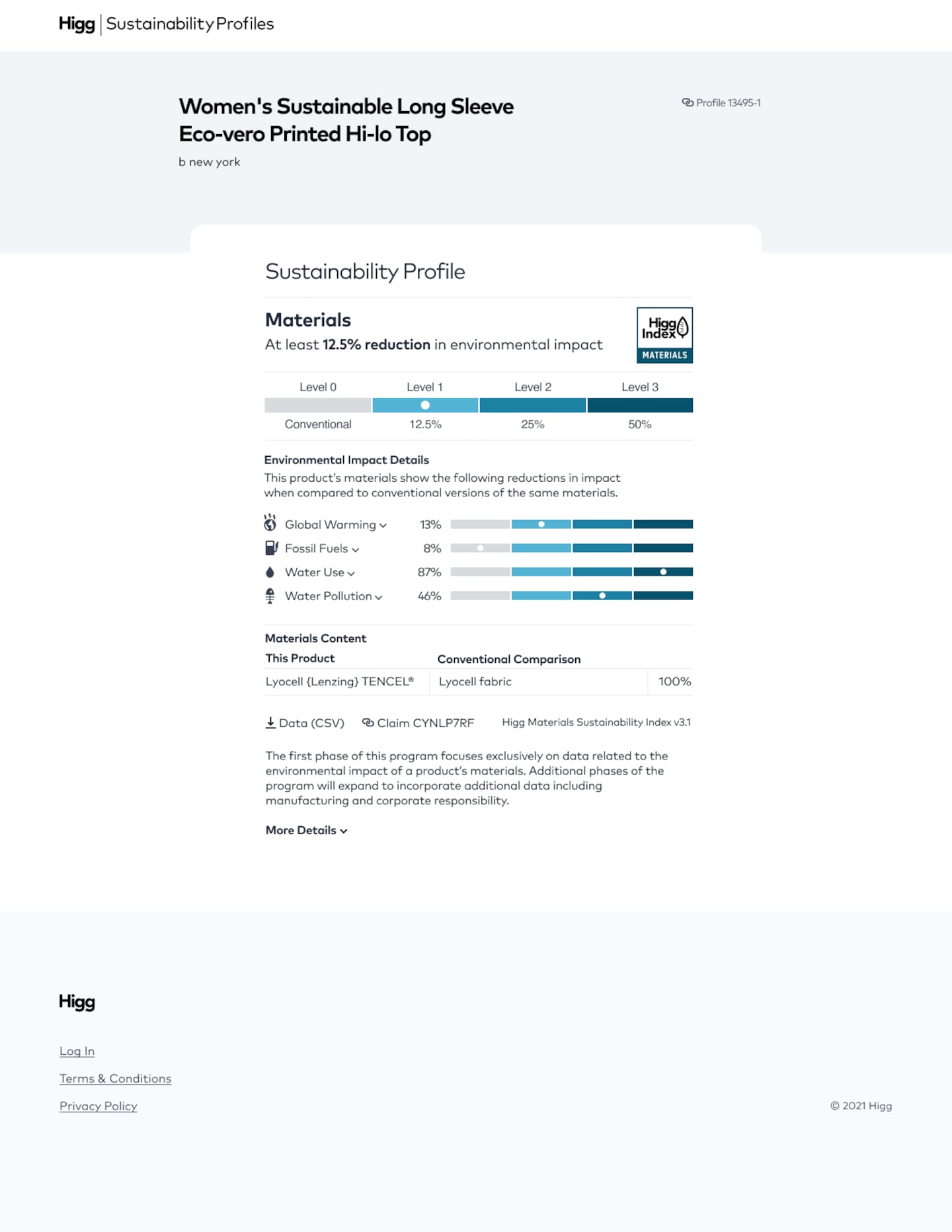
The organisation will “pause the consumer facing transparency programme globally” as it works with regulators and consumer agencies “to better understand how to substantiate product level claims with trusted and credible data,” chief executive Amina Razvi said in a statement. It also commissioned an urgent third-party review of its Higg Materials Sustainability Index (MSI), whose data and methodologies underpin its environmental claims and have faced regulatory scrutiny and criticism.
The news comes just over a year after the Sustainable Apparel Coalition began rolling out its first consumer-facing product tool, which aimed to communicate to shoppers how items such as organic cotton T-shirts perform on environmental measures like water usage and carbon emissions, relative to those made from ordinary cotton.
The SAC’s decision to pull back on the programme follows a Jun. 16th ruling by the Norwegian Consumer Authority (NCA), which found that outerwear brand Norrøna could no longer use the tool to market its products due to its potential to mislead consumers and criticism over the quality of comparable data underpinning the claims. H&M Group was similarly warned against making the same kinds of claims in its marketing.
The NCA’s regulatory decision was a significant blow to the SAC, which was founded in 2010 with the aim of establishing a common framework for sustainability reporting in the fashion industry. It counts over 250 members including industry giants H&M Group, Inditex, Kering and PVH.
ADVERTISEMENT
Learn more:
The Challenges of Labelling Sustainability
The launch of Higg’s consumer-facing product profiles is a step towards a more transparent, unified framework for talking about the impact of our clothes. But longstanding criticism of the initiative behind this programme points at wider tensions in the industry.
Coach-owner Tapestry’s new carbon-removal partnership and brands making fresh commitments to textile-to-textile recycling startups show an industry searching for ways to address its environmental impact.
A new group of brand partners, including Reformation and C&A, is joining the poly-cotton recycler’s long-term commercialisation program only weeks after its debut, signalling growing demand as the company gears up for industrial-scale production in Europe.
The consumer base for activewear made of natural materials like cotton and wool is growing, as more people on the political right join progressives in worrying about the health effects of polyester and other synthetics.
The sustainable materials company, which closed its Swedish factory in 2024, is opening it again after a year of restructuring.
Sex sells — if anyone can figure out what sexy means in 2026. Robert Williams tracks the search for a new silhouette at Kering’s Gucci, LVMH’s Dior and more.
Christine Hunsicker admitted she falsified financial statements to promote CaaStle Inc. as a valuable, growing business when in reality it was struggling.
The American cosmetic giant’s buyout of Ayurvedic beauty line Forest Essentials came as a surprise. By picking an under-the-radar brand it knows well, the company can show that it’s still in the M&A game without needing to outbid rivals.
The underwear company is anticipating net sales of at least $6.85 billion in the current fiscal year, exceeding analyst estimates and marking the highest revenue since its split from L Brands Inc in 2021.


