
Agenda-setting intelligence, analysis and advice for the global fashion community.
Agenda-setting intelligence, analysis and advice for the global fashion community.

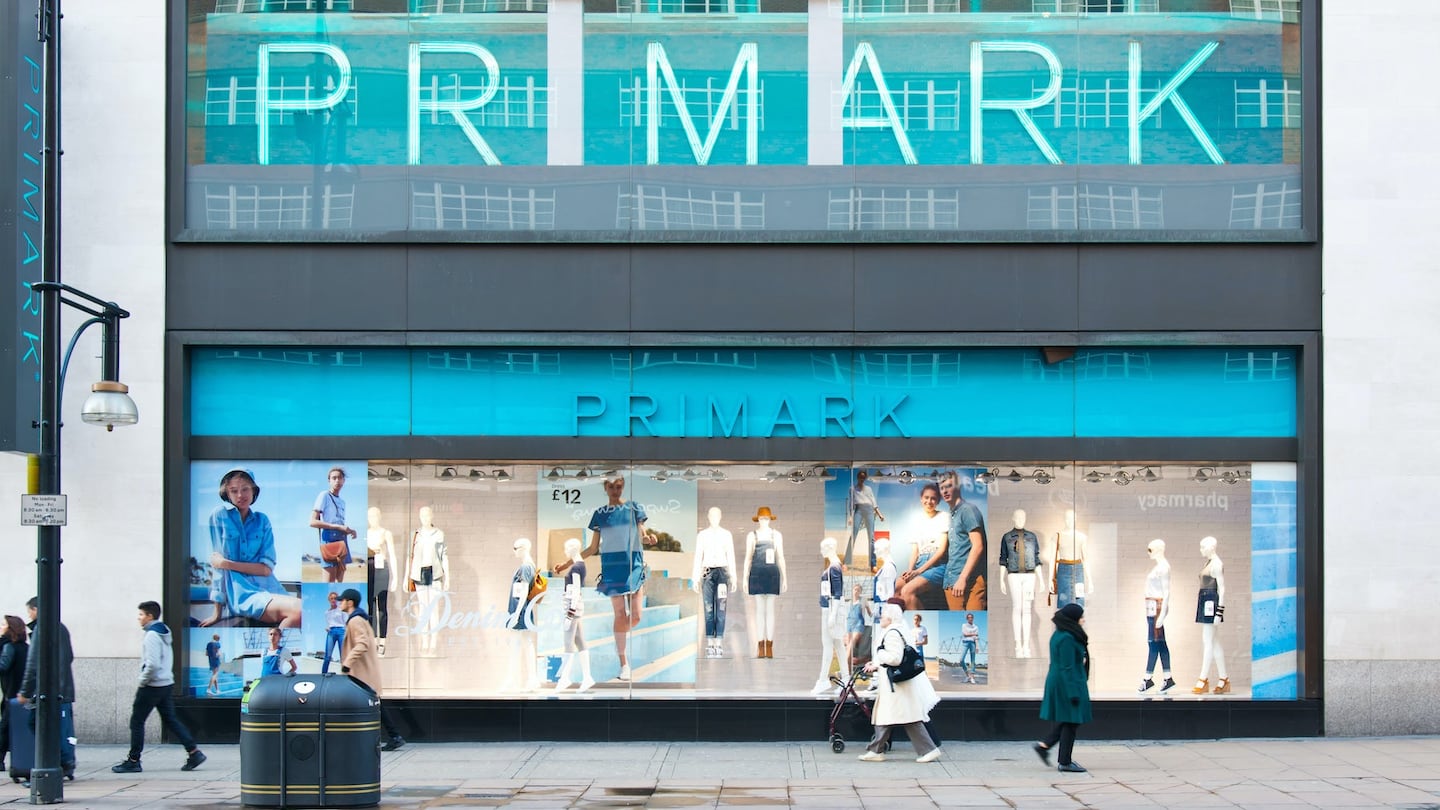
BERLIN, Germany — Primark, the fashion chain owned by Associated British Foods, has emphasised its commitment to environmental standards and safer working conditions as it fights for market share in discount-loving Germany and other countries.
The company's low prices came under scrutiny in 2013 after 1,129 people died in the collapse of a factory in Bangladesh, where clothes were made for brands including Primark.
That prompted it to ramp up efforts to police its suppliers, building up a team of over 100 people who focus on ethical trade and environmental and sustainability issues.
"Germany is the homeland of Aldi and Lidl so German customers appreciate low prices, good quality," said Wolfgang Krogmann, head of Primark in Germany, as the chain opened its 28th store in the country in west Berlin.
ADVERTISEMENT
"They understand that kind of model. That is definitely in our favour."
German shoppers are also more demanding when it comes to ethical standards, Krogmann said, prompting the company to trial "Primark Cares" posters in its stores in the country, with information about its factories and how it sources raw materials.
Germany is a key growth market for Primark, which is expanding across continental Europe and the United States after nearing saturation point in Britain and Ireland. It expects to open two more stores in Germany in the current financial year, after five in the 2017/18 fiscal year.
But it is locked in a battle with rival discount retailer H&M, successfully drawing customers away from the Swedish company's 458 German stores. H&M saw sales steadily decline in Germany, its biggest market, in the last two years until a rebound in its latest quarter.
H&M is another major brand putting a bigger emphasis on sustainability. It, Primark and other retailers are seeking to promote recycling and more environmentally-friendly cotton farming methods in response to customer concerns.
"We don't want to give the impression that we've got everything right... We're on a gradual journey," said Katharine Stewart, Primark's head of ethical trade and environmental sustainability.
Primark, which has 360 stores globally, will roll out more products next spring made from cotton planted under its sustainable farming programme in Pakistan, including children's pyjamas and women's jeans.
"We now know it works. We know we can... get visibility all the way through the supply chain," Stewart said.
ADVERTISEMENT
Primark has slightly slowed its pace of expansion in the last year as like-for-like sales have declined, but it still plans to open 14 new stores in the 2018/19 financial year, with most in Germany, France, Spain and Britain.
By Emma Thomasson; Editor: Kirsten Donovan.
Coach-owner Tapestry’s new carbon-removal partnership and brands making fresh commitments to textile-to-textile recycling startups show an industry searching for ways to address its environmental impact.
A new group of brand partners, including Reformation and C&A, is joining the poly-cotton recycler’s long-term commercialisation program only weeks after its debut, signalling growing demand as the company gears up for industrial-scale production in Europe.
The sustainable materials company, which closed its Swedish factory in 2024, is opening it again after a year of restructuring.
The consumer base for activewear made of natural materials like cotton and wool is growing, as more people on the political right join progressives in worrying about the health effects of polyester and other synthetics.
Christine Hunsicker admitted she falsified financial statements to promote CaaStle Inc. as a valuable, growing business when in reality it was struggling.
The American cosmetic giant’s buyout of Ayurvedic beauty line Forest Essentials came as a surprise. By picking an under-the-radar brand it knows well, the company can show that it’s still in the M&A game without needing to outbid rivals.
The underwear company is anticipating net sales of at least $6.85 billion in the current fiscal year, exceeding analyst estimates and marking the highest revenue since its split from L Brands Inc in 2021.
The Japanese brand is accelerating its expansion in India to capture a greater share of the rapidly growing apparel market and affluent consumer base.


