
Agenda-setting intelligence, analysis and advice for the global fashion community.
Agenda-setting intelligence, analysis and advice for the global fashion community.

Higg Inc., a California-based start-up, is collecting and standardising supply chain sustainability data so that companies can reduce emissions faster. The software provider has already built a factory database with more than 30,000 sites, most of them serving the apparel industry and almost half of them in China. Executives and investors say their data platform can help bring transparency — and consequently decarbonisation — to factories located in developing countries. Higg announced a $50 million Series B round on Wednesday, with support from Titan Grove, investor and activist Tom Steyer’s Galvanize Climate Solutions, Silversmith Capital Partners and Buckhill Capital.
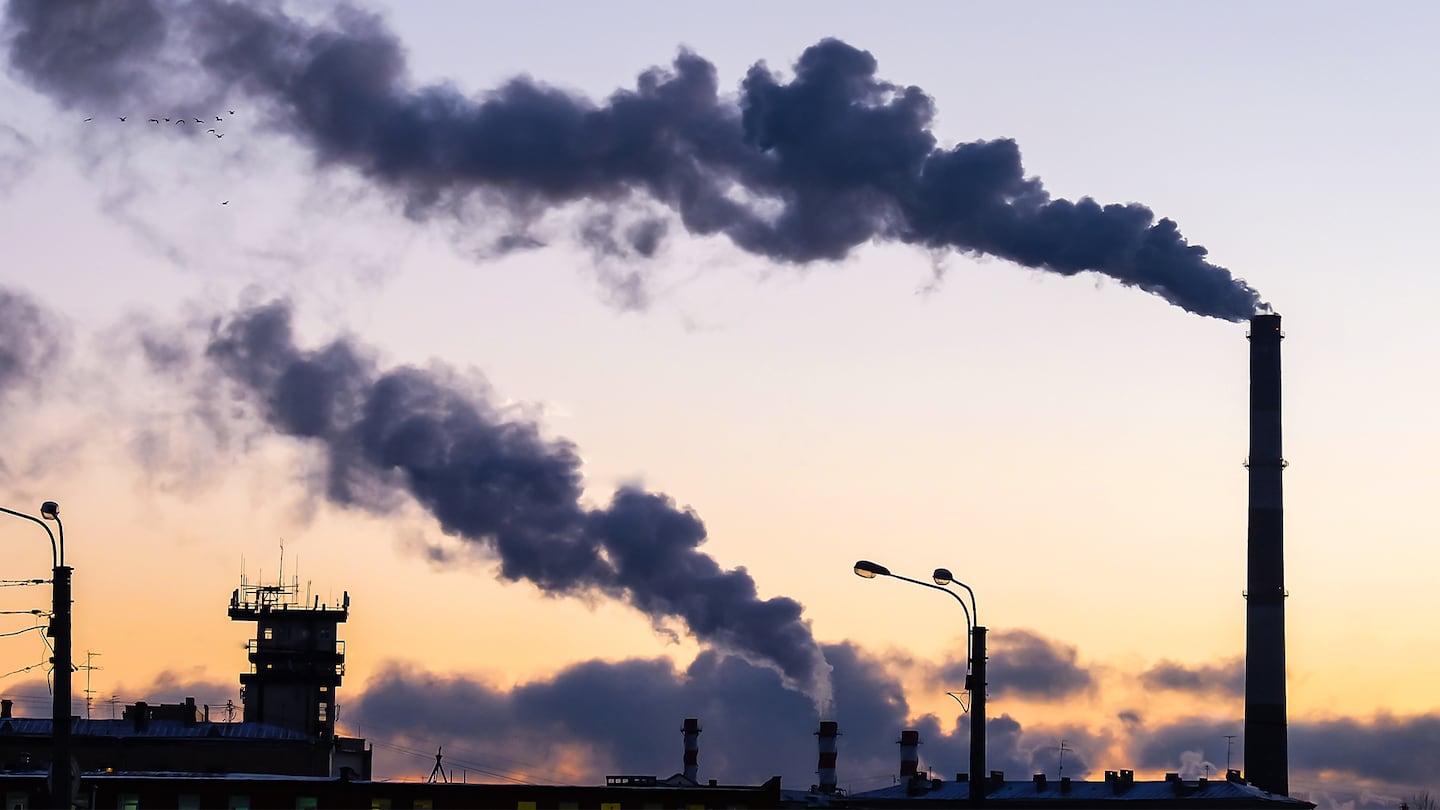
China and India account for 38 percent of global CO₂ emissions, though much of that pollution is emitted in the production of goods that Americans buy. When Titan Grove’s Jeff Tannenbaum met Jason Kibbey, Higg’s CEO, he said he realised the company’s software “could be an incredible tool to stem the reduction of emerging market emissions.” A 50 percent reduction in apparel industry factory emissions — itself perhaps 5 percent of global CO₂ — would be the equivalent of installing 5 kilowatt solar panels on all US homes, he calculated.
Tannenbaum said that this kind of hard math of climate change — spelled out most recently in several thousand pages of scientific reports released by the world’s top climate researchers since August — needs to drive investment to businesses whose work can help the economy slash emissions.
Higg is a start-up spun off from the Sustainable Apparel Coalition, an industry group. The funding will help drive Higg’s expansion into consumer goods sectors including automotive, outdoor and toys. The company launched in 2019 and has attracted clients among companies, stores and manufacturers in more than 100 countries.
ADVERTISEMENT
With securities regulation of corporate greenhouse gas pollution on the rise in Europe, the US and beyond, Higg executives say that their platform allows clients to assemble a granular picture of the impact of production, from raw materials to carbon emissions, water use, and conventional air pollution. The tool may prove useful for estimating a company’s so-called “Scope 3,” or indirect, emissions that come from supply chains and consumer use. The Science-Based Targets initiative, a central arbiter of credibility among corporate climate plans, cites the Higg Index in its climate guidance to the fashion industry.
“Being able to measure Scope 3 emissions is really hard,” Steyer said in an interview. Higg has shown that it’s possible to “put it in as usable a form as possible, so that the ability to manage it becomes not just theoretical but real.”
By Brian Eckhouse and Eric Roston
 Opens in new window
Learn more:
The Challenges of Labelling Sustainability
The launch of Higg’s consumer-facing product profiles is a step towards a more transparent, unified framework for talking about the impact of our clothes. But longstanding criticism of the initiative behind this programme points at wider tensions in the industry.
Coach-owner Tapestry’s new carbon-removal partnership and brands making fresh commitments to textile-to-textile recycling startups show an industry searching for ways to address its environmental impact.
A new group of brand partners, including Reformation and C&A, is joining the poly-cotton recycler’s long-term commercialisation program only weeks after its debut, signalling growing demand as the company gears up for industrial-scale production in Europe.
The consumer base for activewear made of natural materials like cotton and wool is growing, as more people on the political right join progressives in worrying about the health effects of polyester and other synthetics.
The sustainable materials company, which closed its Swedish factory in 2024, is opening it again after a year of restructuring.
The brands Gap and Banana Republic beat comparable sales estimates.
Sex sells — if anyone can figure out what sexy means in 2026. Robert Williams tracks the search for a new silhouette at Kering’s Gucci, LVMH’s Dior and more.
Christine Hunsicker admitted she falsified financial statements to promote CaaStle Inc. as a valuable, growing business when in reality it was struggling.
The American cosmetic giant’s buyout of Ayurvedic beauty line Forest Essentials came as a surprise. By picking an under-the-radar brand it knows well, the company can show that it’s still in the M&A game without needing to outbid rivals.


