
Agenda-setting intelligence, analysis and advice for the global fashion community.
Agenda-setting intelligence, analysis and advice for the global fashion community.

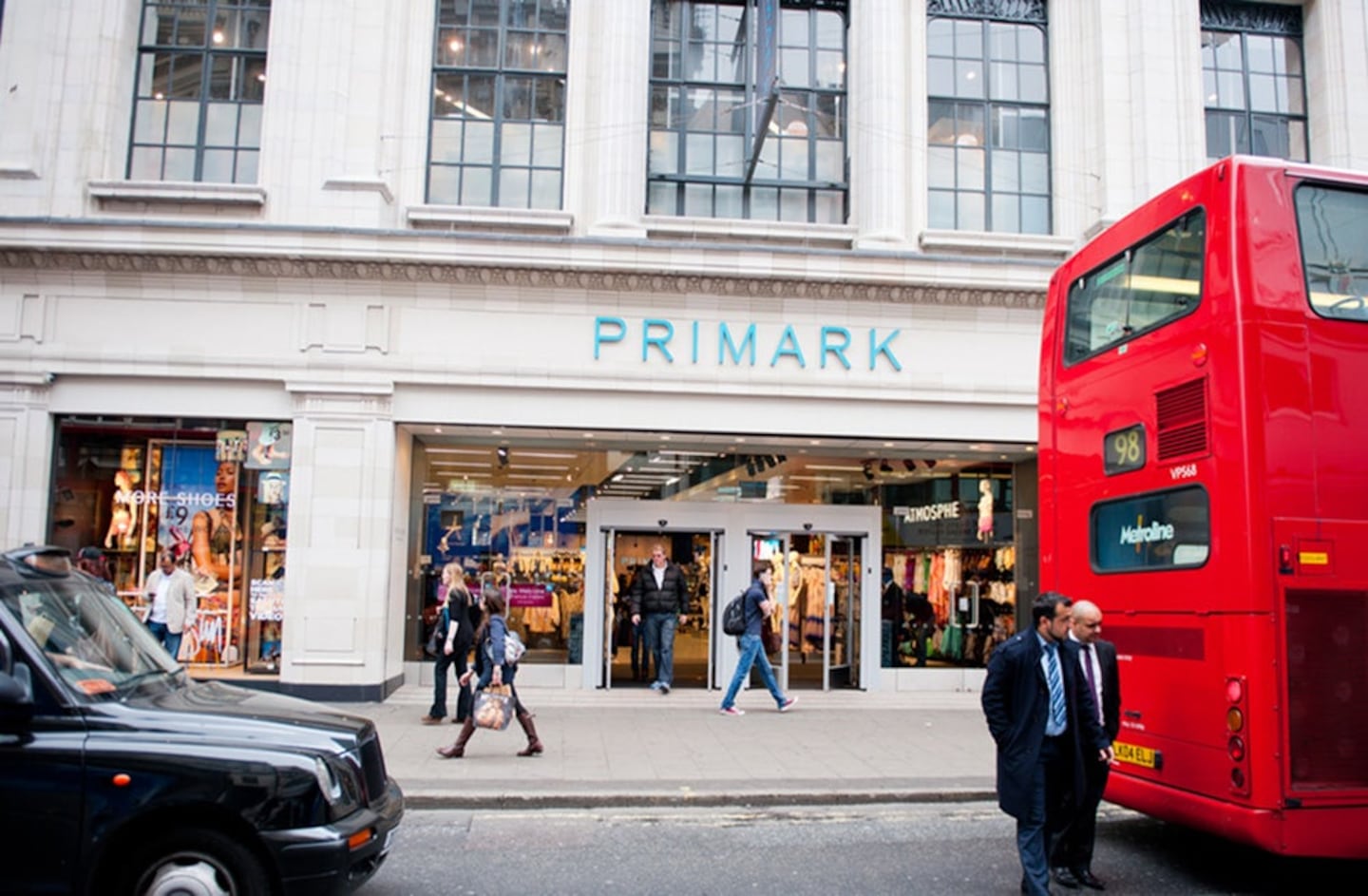
Primark, one of Europe’s biggest fast fashion chains, has vowed to cut its environmental impact without increasing prices by using more recyclable materials, making clothing more durable, and improving wages for workers.
With environmental campaigners singling out the fashion industry for its heavy use of water and chemicals, major brands are coming under pressure to adapt supply chains and address a culture that has led to millions of items ending up in landfill.
Primark, which sells more than a billion items a year including jumpers and jeans for as little as 7 pounds ($10) each, said its task was to make sustainable fashion available for all, not just those who can afford it.
“We believe that sustainability shouldn’t be priced at a premium that only a minority can afford,” CEO Paul Marchant said, echoing rivals such as H&M and Zara that have also set out plans to improve the use of sustainable raw materials.
ADVERTISEMENT
Many environmental campaigners are sceptical about green pledges from brands, believing they are driven by a need for good PR and that the industry requires a wider culture change instead. Primark says its sheer size means it can make a difference.
Owned by Associated British Foods, Primark started in Ireland in 1969 before taking Britain by storm with its ultra-low prices that have led droves of shoppers to emerge from stores clutching its trademark brown paper bags stuffed full of clothes. It is now in 14 markets, including the United States.
While the British company had previously joined industry efforts on the environment, Wednesday’s statement marks the first time it has published its own measurable targets.
Under the plan, a team of staff will work with its factories — which it does not own — to improve energy efficiency levels and encourage the use of renewable power. It will aim to eliminate single-use plastic and continue the switch to farming practices that use less water and fewer chemicals.
It plans to strengthen the durability of clothes by 2025, make them recyclable by design by 2027 and make all its clothes from recycled or more sustainably sourced materials by 2030.
On top of those changes, it also plans to work with factories and rivals that use the same sites to improve wages.
Worker conditions in the textile industry have come under the spotlight since the 2013 collapse of the Rana Plaza building in Bangladesh that killed more than 1,000 workers, with campaigners questioning how brands like Primark can produce such low prices.
By Kate Holton; Editing by Mark Potter
ADVERTISEMENT
Learn more:
Primark Sales Miss Expectations in Latest Quarter on Covid Hit
Coach-owner Tapestry’s new carbon-removal partnership and brands making fresh commitments to textile-to-textile recycling startups show an industry searching for ways to address its environmental impact.
A new group of brand partners, including Reformation and C&A, is joining the poly-cotton recycler’s long-term commercialisation program only weeks after its debut, signalling growing demand as the company gears up for industrial-scale production in Europe.
The sustainable materials company, which closed its Swedish factory in 2024, is opening it again after a year of restructuring.
The consumer base for activewear made of natural materials like cotton and wool is growing, as more people on the political right join progressives in worrying about the health effects of polyester and other synthetics.
Christine Hunsicker admitted she falsified financial statements to promote CaaStle Inc. as a valuable, growing business when in reality it was struggling.
The American cosmetic giant’s buyout of Ayurvedic beauty line Forest Essentials came as a surprise. By picking an under-the-radar brand it knows well, the company can show that it’s still in the M&A game without needing to outbid rivals.
The underwear company is anticipating net sales of at least $6.85 billion in the current fiscal year, exceeding analyst estimates and marking the highest revenue since its split from L Brands Inc in 2021.
The Japanese brand is accelerating its expansion in India to capture a greater share of the rapidly growing apparel market and affluent consumer base.


