Agenda-setting intelligence, analysis and advice for the global fashion community.
Agenda-setting intelligence, analysis and advice for the global fashion community.

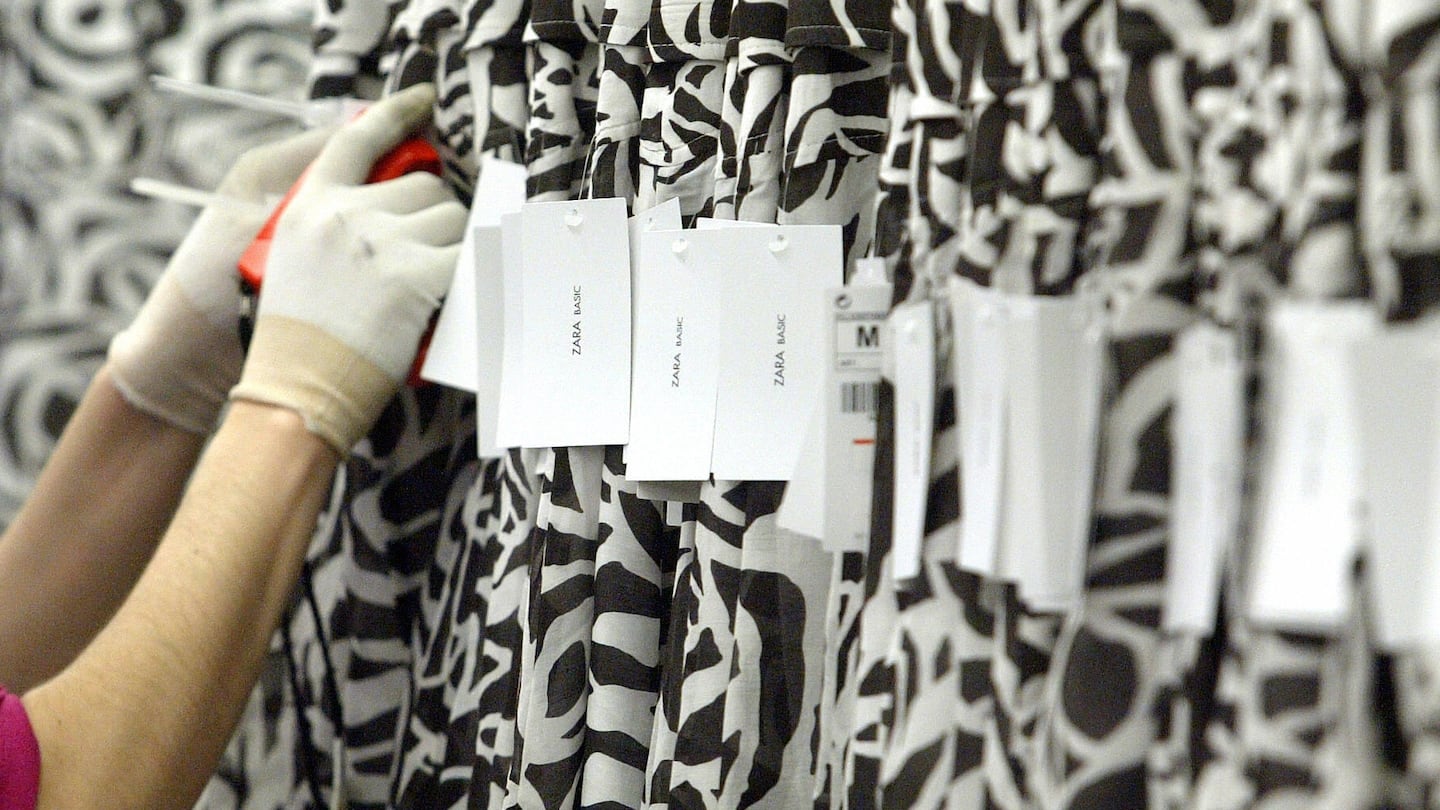
The European Commission on Wednesday proposed a law to make large companies operating in the EU check that their suppliers around the world respect environmental standards and do not use slave or child labour.
The Corporate Sustainability Due Diligence law will also oblige directors of European Union firms to ensure that their business strategy aligns with limiting global warming to 1.5 Celsius, as agreed under the Paris climate agreement.
“We can no longer turn a blind eye on what happens down our value chains,” EU justice commissioner Didier Reynders said.
Under the proposal, EU firms will have to assess their supply chains at least once a year and before major business decisions or starting new activities, for risks including forced labour, child labour, inadequate workplace safety, and environmental impacts like pollution and ecosystem degradation.
ADVERTISEMENT
If a company identifies such issues it must take appropriate action to prevent or stop them, such as by developing a corrective action plan that the supplier must agree to follow.
The Commission proposal will only become EU law after lengthy negotiations with the European Parliament and EU governments that are likely to take more than a year.
It would apply to around 13,000 EU firms, including the EU’s biggest companies — those that employ more than 500 people and have net turnover of more than €150 million.
Companies in high-impact sectors like clothes, animals, forestry, food and beverages, and the extraction of fossil fuels and metals are also covered if they have more than 250 employees and €40 million in net turnover.
Still, that means 99 percent of Europe’s firms would be exempt.
EU lawmaker Lara Wolters, who led a Parliament report last year calling for the law, welcomed the proposal but said small companies in high-risk sectors could still contribute to abuses, and should be covered.
The law would also apply to around 4,000 companies from outside the EU, but whose operations within the EU meet the turnover thresholds.
Compliance would be monitored by governments in the 27 EU member states. Companies ignoring the law would face fines.
ADVERTISEMENT
EU firms could also be liable for damages if their suppliers commit an offence that could have been prevented or ceased with due diligence measures by the EU company.
By Kate Abnett; Editor: Andrea Ricci
 Opens in new window
Learn more:
Human Rights Violations Are Increasing in Fashion’s Manufacturing Hubs
For many workers in fashion’s global supply chain, the last 18 months have been a period of crisis. But the worsening of labour rights abuses did not start with the pandemic, found a new report by risk intelligence company Verisk Maplecroft, but had been already happening over the last four years.
Coach-owner Tapestry’s new carbon-removal partnership and brands making fresh commitments to textile-to-textile recycling startups show an industry searching for ways to address its environmental impact.
A new group of brand partners, including Reformation and C&A, is joining the poly-cotton recycler’s long-term commercialisation program only weeks after its debut, signalling growing demand as the company gears up for industrial-scale production in Europe.
The consumer base for activewear made of natural materials like cotton and wool is growing, as more people on the political right join progressives in worrying about the health effects of polyester and other synthetics.
The sustainable materials company, which closed its Swedish factory in 2024, is opening it again after a year of restructuring.
Stick with the program or switch it up? Angelo Flaccavento reports on Chloé, Rabanne, Schiaparelli, Rick Owens and Uma Wang.
The brands Gap and Banana Republic beat comparable sales estimates.
Sex sells — if anyone can figure out what sexy means in 2026. Robert Williams tracks the search for a new silhouette at Kering’s Gucci, LVMH’s Dior and more.
Christine Hunsicker admitted she falsified financial statements to promote CaaStle Inc. as a valuable, growing business when in reality it was struggling.


