Agenda-setting intelligence, analysis and advice for the global fashion community.
Agenda-setting intelligence, analysis and advice for the global fashion community.

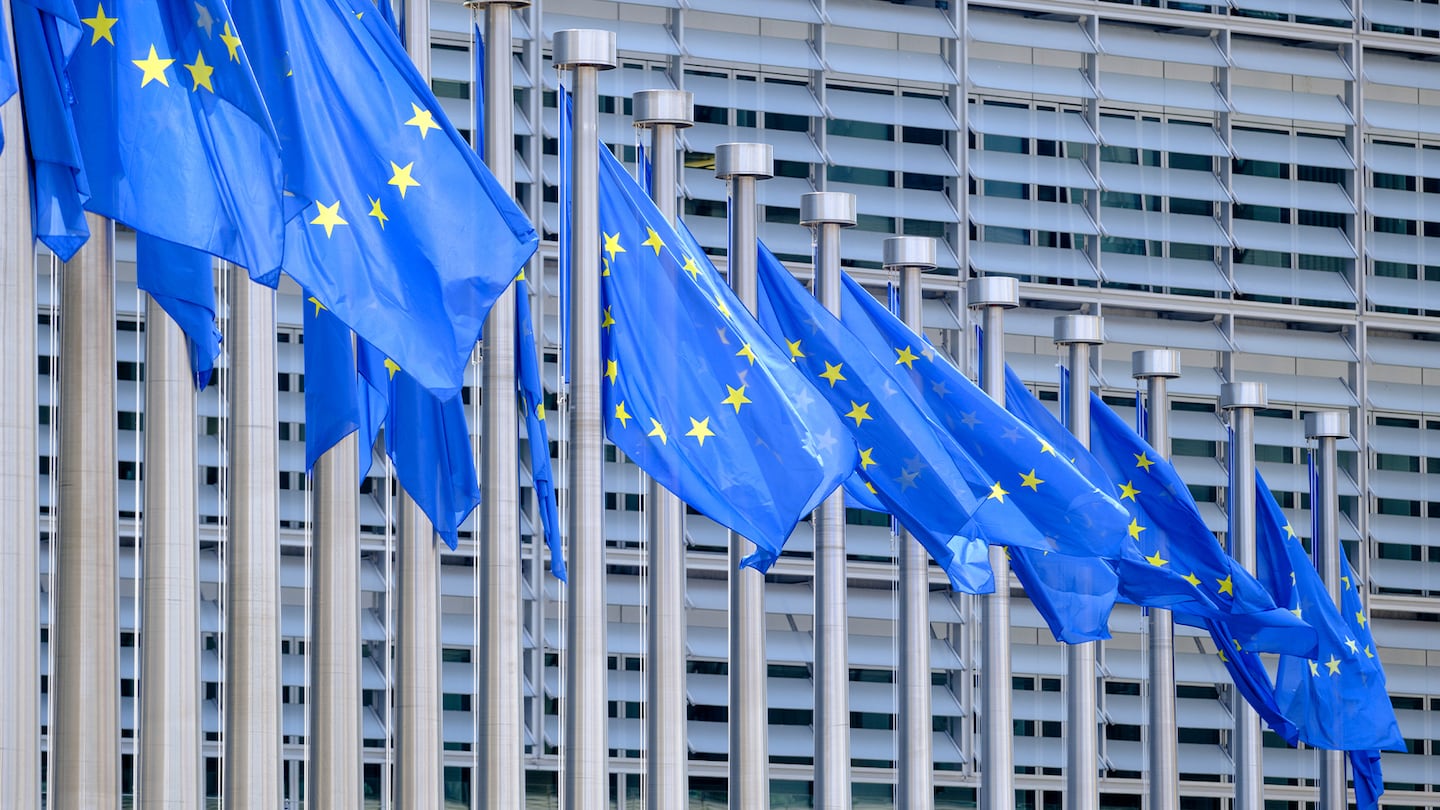
The European Parliament approved rules on Tuesday to ban in the EU the sale, import and export of goods made using forced labour.
The move was driven by EU lawmakers concerned about human rights in the Chinese region of Xinjiang.
The United States enacted a similar law in 2021 to safeguard its market from products potentially tainted by human rights abuses in Xinjiang, where the US government says China is committing genocide against Uyghur Muslims.
China denies abuses in Xinjiang, a major cotton producer that also supplies much of the world’s materials for solar panels.
ADVERTISEMENT
National authorities in the 27-country bloc or the executive Commission will be able to investigate suspicious goods, supply chains, and manufacturers. Preliminary investigations should be wrapped up within 30 working days.
If a product is deemed to have been made using forced labour, it will no longer be possible to sell it in the EU market and shipments will be intercepted at the EU’s borders.
“Today, worldwide, 28 million people are trapped in the hands of human traffickers and states who force them to work for little or no pay. Europe cannot export its values while importing products made with forced labour. The fact that the EU finally has a law to ban these products is one of the biggest achievements of this mandate,” Maria-Manuel Leitao-Marques, a Portuguese Member of the Alliance of Socialists and Democrats in the Parliament, said.
The EU Parliament approved the law with a large majority of 555 votes in favour, six against, and 45 abstentions.
It still needs approval from EU countries to enter into force — a final step that is usually a formality which approves laws with no changes.
EU countries will have to start applying the law within three years.
By Nette Nöstlinger, Editors: Charlotte Van Campenhout and Ros Russell
Learn more:
ADVERTISEMENT
Garment Workers Have Lost Out on £4 Billion of Severance Pay, Says Rights Group
The Worker Rights Consortium says that garment workers have been denied billions of pounds of legally mandated severance pay after being sacked or losing their jobs due to brands cancelling orders or factory closures.
Coach-owner Tapestry’s new carbon-removal partnership and brands making fresh commitments to textile-to-textile recycling startups show an industry searching for ways to address its environmental impact.
A new group of brand partners, including Reformation and C&A, is joining the poly-cotton recycler’s long-term commercialisation program only weeks after its debut, signalling growing demand as the company gears up for industrial-scale production in Europe.
The consumer base for activewear made of natural materials like cotton and wool is growing, as more people on the political right join progressives in worrying about the health effects of polyester and other synthetics.
The sustainable materials company, which closed its Swedish factory in 2024, is opening it again after a year of restructuring.
The brands Gap and Banana Republic beat comparable sales estimates.
Sex sells — if anyone can figure out what sexy means in 2026. Robert Williams tracks the search for a new silhouette at Kering’s Gucci, LVMH’s Dior and more.
Christine Hunsicker admitted she falsified financial statements to promote CaaStle Inc. as a valuable, growing business when in reality it was struggling.
The American cosmetic giant’s buyout of Ayurvedic beauty line Forest Essentials came as a surprise. By picking an under-the-radar brand it knows well, the company can show that it’s still in the M&A game without needing to outbid rivals.


