
Agenda-setting intelligence, analysis and advice for the global fashion community.
Agenda-setting intelligence, analysis and advice for the global fashion community.

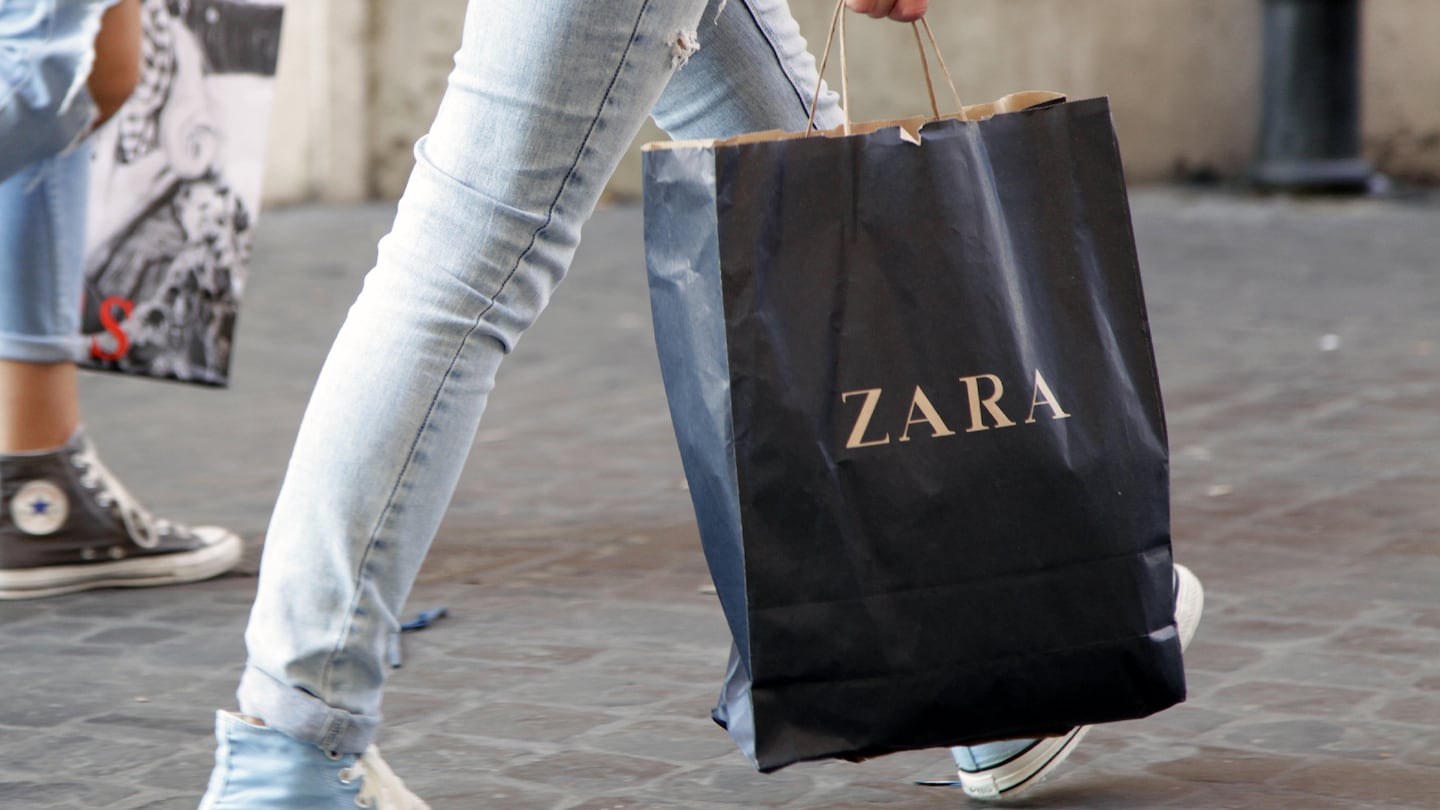
Zara owner Inditex SA reported a muted start to the second quarter and warned that foreign-exchange fluctuations could have a greater impact on results this year than anticipated. The shares tumbled.
Revenue at the world’s largest listed clothing retailer rose 6% in the five weeks to June 9, excluding currency effects. That was weaker than last year’s start to the summer season, the Arteixo, Spain-based retailer said on Wednesday.
“The release fails to dispel concerns on slowing growth,” analysts at Barclays wrote in a note.
The company’s shares fell as much as 6.4 percent in early Madrid trading. The stock is down about 4.7 percent since the start of the year.
ADVERTISEMENT
Even though current trading is tracking higher than the 4.2 percent sales growth recorded in the first quarter, the latest numbers suggest that Inditex, like its peers, is not immune to a drop in demand prompted by the global trade war. The company has fared better than many of its rivals by keeping tighter controls on inventory, enabling it to remain nimble in a fickle fashion industry, but its sales-growth rates have headed down sharply from the post-pandemic boom era. Swedish rival Hennes & Mauritz AB posted disappointing first-quarter results because of stockpiles of unsold clothing.
Foreign-exchange swings are likely to be a greater-than-expected drag on revenue this year, Inditex warned. The company expects currency fluctuations to shave 3 percent off sales this year, up from 1 percent it had expected previously. The adjustment follows a notable depreciation in both the US dollar and the Mexican peso against the euro, shrinking international earnings when converted back to the company’s home currency.
Other retailers have also signalled the cooling effect FX swings are having with H&M citing a strong kroner as another reason for its weak first-quarter. Last month, German sneaker brand Puma AG said the effect of tariffs and currency fluctuations was challenging to manage. The global garment industry tends to be a dollar-denominated business, which can particularly affect European retailers when they translate earnings back into local currencies.
Inditex first spooked the market in March when it signalled a weaker start to its fiscal year, provoking a 7.5 percent fall — the biggest single-day plunge in its shares in five years. In its first quarter ended April 30, operating profit was in line with analyst estimates, while revenue was below expectations. The retailer said costs grew 2.3 percent in the period, rising faster than the 1.5 percent increase in revenue, including currency swings.
Asked about the effect of President Donald Trump’s tariffs, Inditex said it would use its broad range of suppliers, including those close to home in Spain, Portugal, Turkey and Morocco to manage the situation. “In any case, I’d say that we see growth opportunities globally, not just in one market,” said Investor Relations Director Gorka Garcia-Tapia Yturriaga on a call with analysts.
Over the last few years, the company has invested in both expanding its network of stores and also on refurbishing existing outlets to ensure a better shopping experience for customers. The company plans to spend €1.8 billion ($2 billion) again this year on store improvements and technology, along with an additional €900 million to expand its logistics network.
By Clara Hernanz Lizarraga
Learn more:
ADVERTISEMENT
The Brewing Controversy Over the Cotton in Your T-Shirt
Zara owner Inditex, the world’s largest fast fashion company, is ditching the industry’s biggest sustainable cotton scheme amid a deforestation scandal and a wider push to prioritise organic fibres.
While $1.75 billion in court-approved funding has brought labels back to the fold, the real test for vendors will come when that temporary safety net vanishes later this year.
A growing number of mass and premium brands are pushing upmarket with a more luxe look, better materials and, often, higher prices. This case study unpacks how these labels are navigating the tricky challenge of elevating a brand.
Brands from Prada to Abercrombie & Fitch will provide clarity on how the fashion industry is approaching the newly uncertain trade landscape. Plus, a preview of Paris Fashion Week.
The goods come from more than 380 brands, including Burberry and those owned by luxury powerhouses LVMH and Kering.
The brands Gap and Banana Republic beat comparable sales estimates.
Sex sells — if anyone can figure out what sexy means in 2026. Robert Williams tracks the search for a new silhouette at Kering’s Gucci, LVMH’s Dior and more.
Christine Hunsicker admitted she falsified financial statements to promote CaaStle Inc. as a valuable, growing business when in reality it was struggling.
The American cosmetic giant’s buyout of Ayurvedic beauty line Forest Essentials came as a surprise. By picking an under-the-radar brand it knows well, the company can show that it’s still in the M&A game without needing to outbid rivals.


