
Agenda-setting intelligence, analysis and advice for the global fashion community.
Agenda-setting intelligence, analysis and advice for the global fashion community.

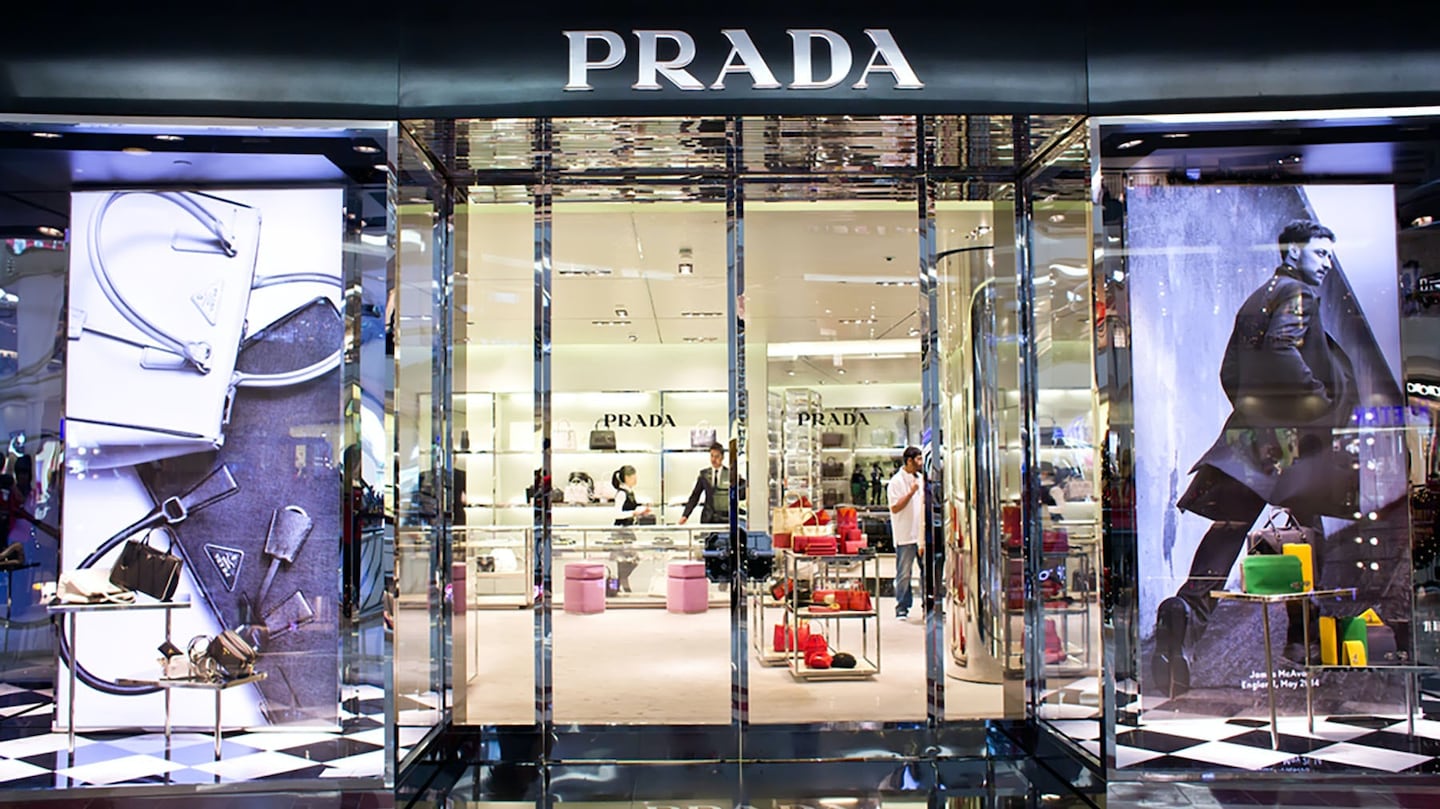
MILAN, Italy — Collapsing demand in China, the strong dollar and the Paris terror attacks made 2015 a year to forget for the likes of Prada, Burberry, and Cartier owner Richemont. Prada's shares hit a record low Dec. 16 on slumping Asian sales, which has led the maker of $3,000 handbags to dial back store openings, slash costs and introduce more affordable products. Prada's woes show what ails the entire luxury industry. The outlook for 2016 is better, but not much. The $278 billion market for designer dresses and other expensive stuff will expand by no more than 4 percent, better than 2015's 1 percent gain yet still half the average annual rate of the past five years. Here are five ways companies are grappling with the slowdown:
Fee Frenzy
With cash sloshing about, interest rates due to rise and some independent companies under pressure, dealmaking could top this year's 2.5 billion euros ($2.7 billion), according to IESE Business School professor Fabrizio Ferraro. Brands such as Balmain, Dolce & Gabbana, Furla, Lanvin, Longchamps, Maurice Lacroix and Parmigiani could garner interest from buyers including Kering, which itself is poised to exit sportswear maker Puma. Ferraro sees more private-equity buyouts, while larger transactions could return if conditions worsen. IPOs of Valentino and Versace are likely as well. "There's going to be more consolidation," he says.
Digital Drive
ADVERTISEMENT
Luxury was late to the party online but with Internet sales growing more than twice the rate of the overall market, brands like Hugo Boss and Mulberry are realizing they need to take the Web seriously if they want compete, according to Fflur Roberts, head of luxury research at Euromonitor. In addition to hiring tech-savvy execs — LVMH snatched Ian Rogers from Apple to be its new digital chief — that means things like same-day delivery and more experimentation, or Burberry making online ads based on consumer photos. "It's not just about clicking on sweaters," says Roberts. "Brands need to make the online experience more exciting."
Retail Reboot
The slowdown has already prompted Louis Vuitton and Burberry to downsize some retail outlets and shut others. Now, they and other companies will have to squeeze more dollars out of the stores they have left, particularly in developed markets like Europe, according to Boston Consulting Group partner Olivier Abtan. Brands will need to refurbish shops, improve service and stock more relevant merchandise, he says. “You have to pull all the classical retail levers to regain like-for-like sales,” says Abtan.
Haute Tech
Technology is rarely as fashionable as it is smart but that's about to change as wardrobe staples get connected, according to Lucie Greene, head of J. Walter Thompson's trend- forecasting unit. We're not just talking about smartwatches from TAG Heuer, or the Hermes-designed leather strap for the Apple Watch. Google and blue-jeans maker Levi Strauss are among companies developing textiles that contain conductive "smart" threads so a pair of trousers can be used like a touchscreen. Technology "will be integrated into our tailoring and normal accessories," says Greene. "From a creative aspect, we are just beginning."
Skinny Jeans and 'Car Wash' Skirts
Finally, expect to see fewer skintight jeans, according to Katherine Ormerod, editorial director at online luxury shopping aggregator Lyst, who says 2016 may be the year “the stretchy skinny jean finally dies.” Many fall collections also featured “car-wash skirts,” named for the fringed hem that resembles the cloth strips that hang from a car wash. They’re “sexy but also unusual enough to feel like an update on this year’s midi-skirt styles,” says Ormerod.
By Andrew Roberts; editor: Matthew Boyle.
While $1.75 billion in court-approved funding has brought labels back to the fold, the real test for vendors will come when that temporary safety net vanishes later this year.
A growing number of mass and premium brands are pushing upmarket with a more luxe look, better materials and, often, higher prices. This case study unpacks how these labels are navigating the tricky challenge of elevating a brand.
Brands from Prada to Abercrombie & Fitch will provide clarity on how the fashion industry is approaching the newly uncertain trade landscape. Plus, a preview of Paris Fashion Week.
The goods come from more than 380 brands, including Burberry and those owned by luxury powerhouses LVMH and Kering.
The activewear giant seems intent on turning its nearly 40-year-old niche outdoor fashion brand into a mainstream success. The plan hinges on convincing backpackers and athletes its rugged technical gear can perform just as well as The North Face or Arc’teryx.
It’s not an existential crisis — yet — but Rick Owens and Daniel Roseberry confront some headscratchers in their latest collections.
Stick with the program or switch it up? Angelo Flaccavento reports on Chloé, Rabanne, Schiaparelli, Rick Owens and Uma Wang.
The brands Gap and Banana Republic beat comparable sales estimates.


