Agenda-setting intelligence, analysis and advice for the global fashion community.
Agenda-setting intelligence, analysis and advice for the global fashion community.

There’s fresh evidence from the FTSE 100 today of quite how vulnerable retailers are to unpredictable weather.
High street bellwether Next Plc and middle-class favorite Marks & Spencer Group Plc saw their share prices tumble, knocking more than £500 million ($610 million) off the companies’ market capitalizations as analysts voiced concern over the impact of unseasonably warm weather.
Sneaker vendor JD Sports Fashion Plc and Primark owner Associated British Foods Plc also dropped while the FTSE 350 Retailers Index fell to a three-month low.
“It is well understood that unseasonably warm weather through September and October so far is unhelpful for clothing retailers as they launch autumn / winter product,” JPMorgan Chase & Co. analyst Georgina Johanan wrote in a note to clients Monday.
ADVERTISEMENT
Britain’s autumn / winter selling period is relatively short and a weak start to the season can lead to early discounting, she wrote, placing Next and AB Foods on negative catalyst watch. Next and M&S shares fell as much as 4 percent on Monday.
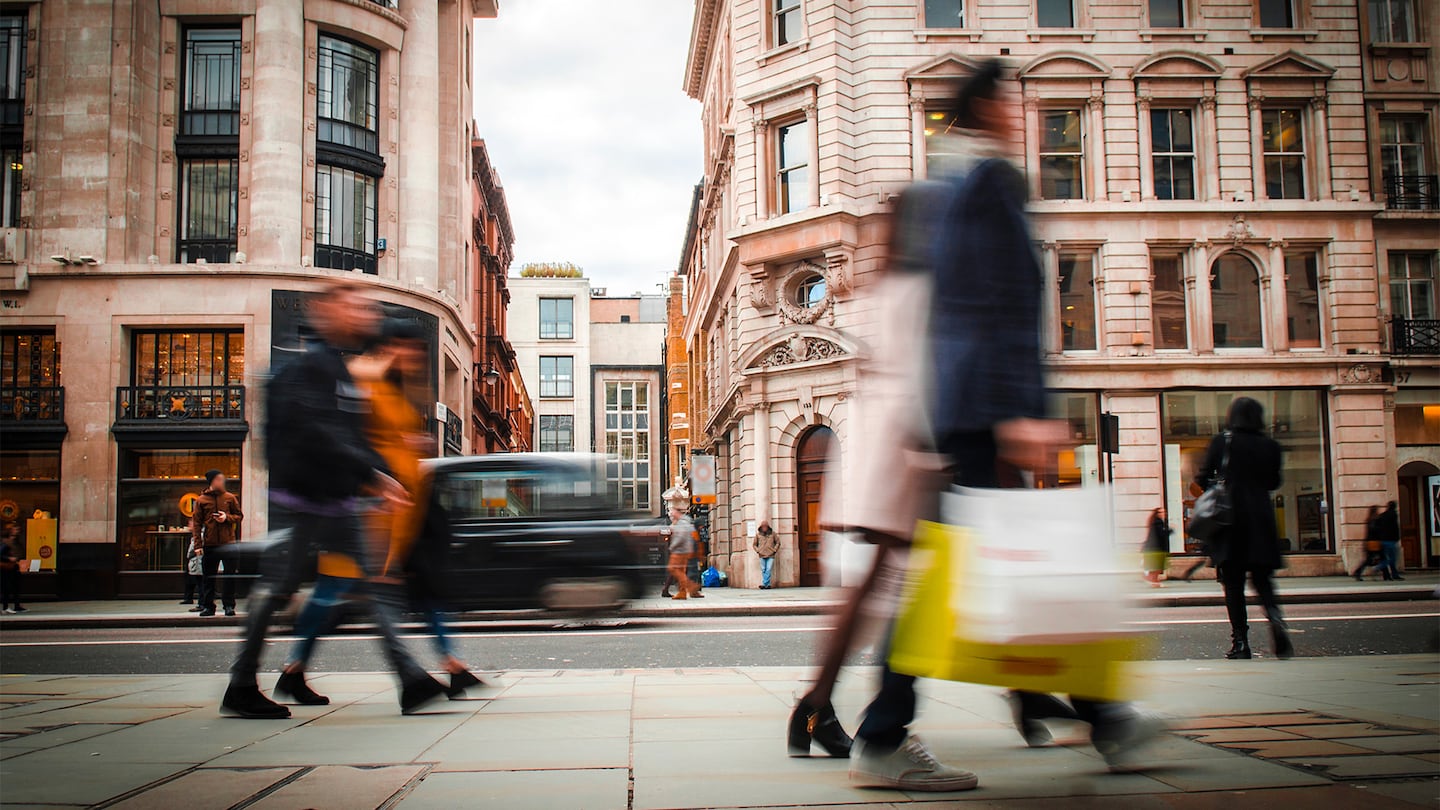
After hot summer weather spurred stronger retail sales, high street fashion brands are now struggling with the warmest October in years. Consumers are once again donning summer dresses and sandals rather than splashing out on expensive overcoats, knitwear and boots.
Last month Next raised its profit forecast for the third time in a row as inflation-linked pay rises and better weather at the start of the summer prompted people to buy more clothes. AB Foods is expecting Primark to be more profitable next year while M&S has said its clothing division is gaining market share.
The pressure is now on retailers as the crucial Christmas period approaches. JPMorgan’s Johanan said there are “no jingle bells yet, just warning bells.”
By Katie Linsell
Learn more:
Is Fashion Sleepwalking Into the Climate Crisis?
The extreme and deadly weather experienced around much of the world in July got little mention on big brands’ earnings calls, signalling that investors and executives still aren’t treating climate as an immediate business risk.
While $1.75 billion in court-approved funding has brought labels back to the fold, the real test for vendors will come when that temporary safety net vanishes later this year.
A growing number of mass and premium brands are pushing upmarket with a more luxe look, better materials and, often, higher prices. This case study unpacks how these labels are navigating the tricky challenge of elevating a brand.
Brands from Prada to Abercrombie & Fitch will provide clarity on how the fashion industry is approaching the newly uncertain trade landscape. Plus, a preview of Paris Fashion Week.
The goods come from more than 380 brands, including Burberry and those owned by luxury powerhouses LVMH and Kering.
The underwear company is anticipating net sales of at least $6.85 billion in the current fiscal year, exceeding analyst estimates and marking the highest revenue since its split from L Brands Inc in 2021.
The Japanese brand is accelerating its expansion in India to capture a greater share of the rapidly growing apparel market and affluent consumer base.
Strong growth at Miu Miu helped lift results, but the Italian luxury group said that integrating Versace will weigh on margins in the near term as it begins the turnaround of the struggling brand
Activist fund Oasis Management Co. is calling on the Japanese personal care company to convene an extraordinary general meeting, seeking a probe into its supply-chain risk management and internal control.