
Agenda-setting intelligence, analysis and advice for the global fashion community.
Agenda-setting intelligence, analysis and advice for the global fashion community.

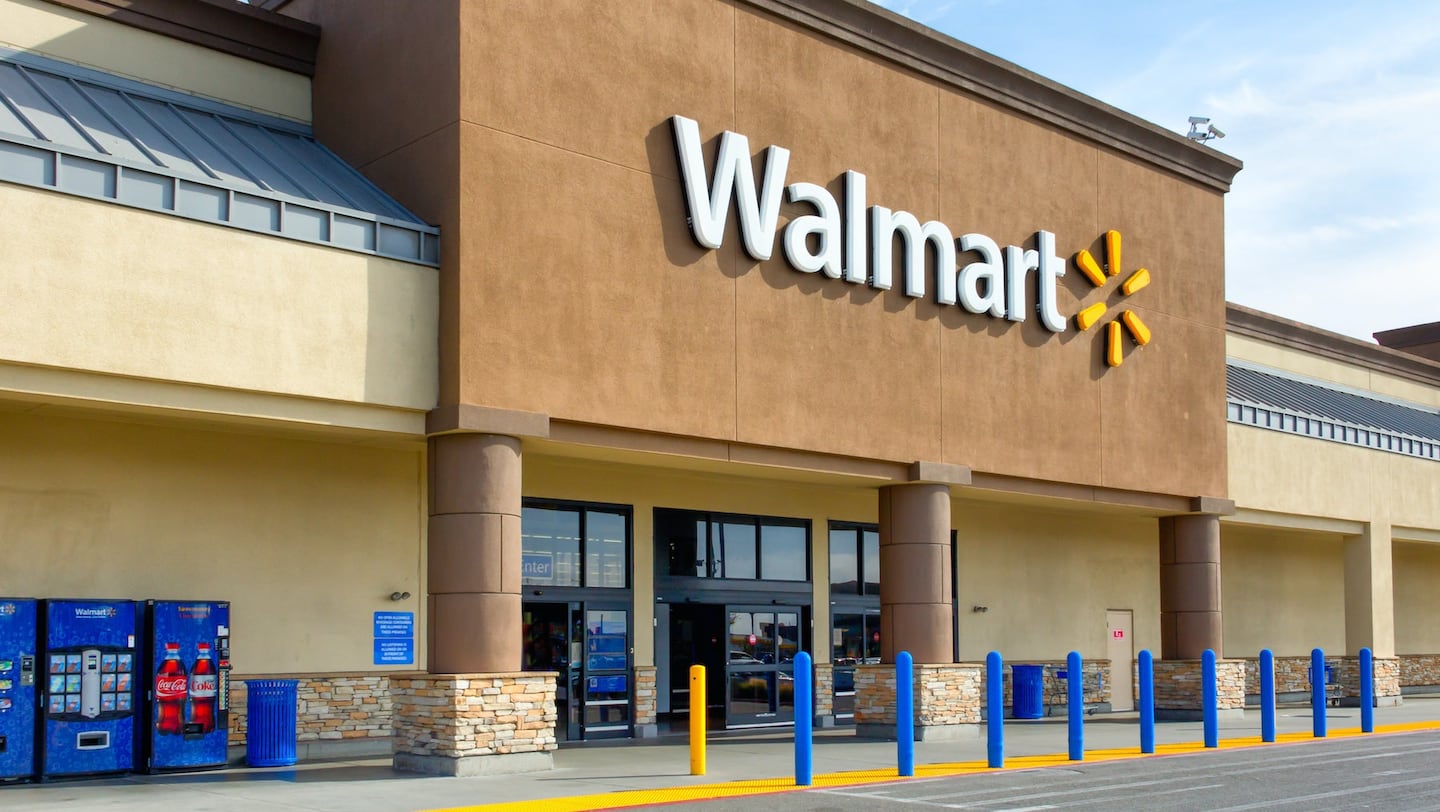
Walmart Inc. shares fell after profit missed expectations for the first time in three years, overshadowing higher sales.
Adjusted earnings per share came in at 68 cents for the second quarter, six cents lower than what Wall Street expected. The world’s largest retailer cited a rise in insurance claims, legal charges and restructuring costs as factors weighing down its profit.
Walmart shares fell 2.3 percent at 7:36 a.m in early trading in New York. Through Wednesday’s close, the stock had gained nearly 14 percent this year, outpacing the 8.7 percent advance of the S&P 500 Index.
Claims, which include general liability and workers compensation expenses, particularly dragged down earnings. These charges are expected to moderate as the year progresses, chief financial officer John David Rainey said Thursday in an interview.
ADVERTISEMENT
Despite the rare profit miss, Walmart raised its full-year sales guidance, an optimistic signal that consumers’ purchasing power is holding up despite rising concerns over inflation and weakening economic data.
The world’s largest retailer now expects net sales to rise 3.75 percent to 4.75 percent this year, versus its previous forecast of a 3 percent to 4 percent increase. Comparable-store sales, which measure performance at locations open at least a year, were higher than Wall Street expectations in the second quarter.
The results underscore how Walmart, which keeps prices low with its massive scale and vast supplier network, continues to gain ground by attracting shoppers who are prioritising value and essentials. Delivery and e-commerce are also fuelling growth and helping the company increase market share while some competitors struggle.
“The consumer is resilient,” Rainey said, adding that Walmart continues to gain market share across all income levels, especially wealthier shoppers.
Walmart also lifted its adjusted earnings guidance for the year by two cents, and forecast better-than-expected profit for the third quarter.
Tariffs have started to materialise in higher prices, though such changes are in early days and will become more significant later in the year as the retailer replenishes its inventory. So far, the impact has been limited — prices rose 1 percent in the US during the quarter — with Walmart absorbing higher costs of some goods while raising prices of others, Rainey said.
High interest rates and years of rising prices have prompted many shoppers to curtail big-ticket purchases. To save money, consumers are spending less on clothes, home products and other discretionary items while seeking out discounted merchandise. The Trump administration’s tariffs are also expected to make goods more expensive, fueling concern that inflation could accelerate.
The retailer’s scale and nationwide presence make it a key gauge of US consumers’ health. The results reinforce recent economic data, which shows that retail sales have held up over the summer, in part due to promotional campaigns such as Walmart’s weeklong deals event in July. The relatively steady job market has also supported spending.
ADVERTISEMENT
In recent quarters, Walmart executives have warned there’s a wide range of outcomes for the year, in part due to the rapid shifts in US trade policy.
In this environment, Walmart has said it aims to grow market share. The company can leverage its global supply chain to source more efficiently and negotiate better deals with suppliers. Its massive grocery business also helps protect the retailer from economic swings because cash-strapped shoppers prioritize purchasing food.
“We are trying to do our best to minimize the impact on the consumer from higher tariff costs,” Rainey said.
The company offered more discounts than the prior quarter, and sales of general merchandise — non-food items like home goods and clothes — increased in the low-single digits, according to Rainey. Fashion, electronics and toys were among areas of growth. Overall, Walmart’s number of transactions rose, as did the amount of money people spent per shopping trip.
Still, claims and restructuring costs weighed on earnings. Claims, which include general liability and workers compensation expenses, rose as costs of settling or going to court have risen. The number of incidents has declined, Rainey said. Restructuring costs stemmed from staff cuts on its technology team earlier in the year.
While Walmart’s report follows mixed results from big-box competitors earlier this week, rival retailers gave more optimistic tones about demand. Home Depot Inc. said shoppers are increasingly taking on smaller home-improvement projects, while Target Corp. pointed to an improvement in performance driven by stronger demand for new, on-trend items. Costco Wholesale Corp. is scheduled to post results next month.
By Jaewon Kang
Learn more:
ADVERTISEMENT
Walmart’s Vision of Beauty for Everyone
With its vast store network and broad customer reach, Walmart’s vice president of beauty Vinima Shekhar told The State of Fashion: Beauty Volume 2 that the mega retailer is leaning on logistics and a more premium assortment to reclaim its US beauty market share.
While $1.75 billion in court-approved funding has brought labels back to the fold, the real test for vendors will come when that temporary safety net vanishes later this year.
A growing number of mass and premium brands are pushing upmarket with a more luxe look, better materials and, often, higher prices. This case study unpacks how these labels are navigating the tricky challenge of elevating a brand.
Brands from Prada to Abercrombie & Fitch will provide clarity on how the fashion industry is approaching the newly uncertain trade landscape. Plus, a preview of Paris Fashion Week.
The goods come from more than 380 brands, including Burberry and those owned by luxury powerhouses LVMH and Kering.
The brands Gap and Banana Republic beat comparable sales estimates.
Sex sells — if anyone can figure out what sexy means in 2026. Robert Williams tracks the search for a new silhouette at Kering’s Gucci, LVMH’s Dior and more.
Christine Hunsicker admitted she falsified financial statements to promote CaaStle Inc. as a valuable, growing business when in reality it was struggling.
The American cosmetic giant’s buyout of Ayurvedic beauty line Forest Essentials came as a surprise. By picking an under-the-radar brand it knows well, the company can show that it’s still in the M&A game without needing to outbid rivals.


