
Agenda-setting intelligence, analysis and advice for the global fashion community.
Agenda-setting intelligence, analysis and advice for the global fashion community.

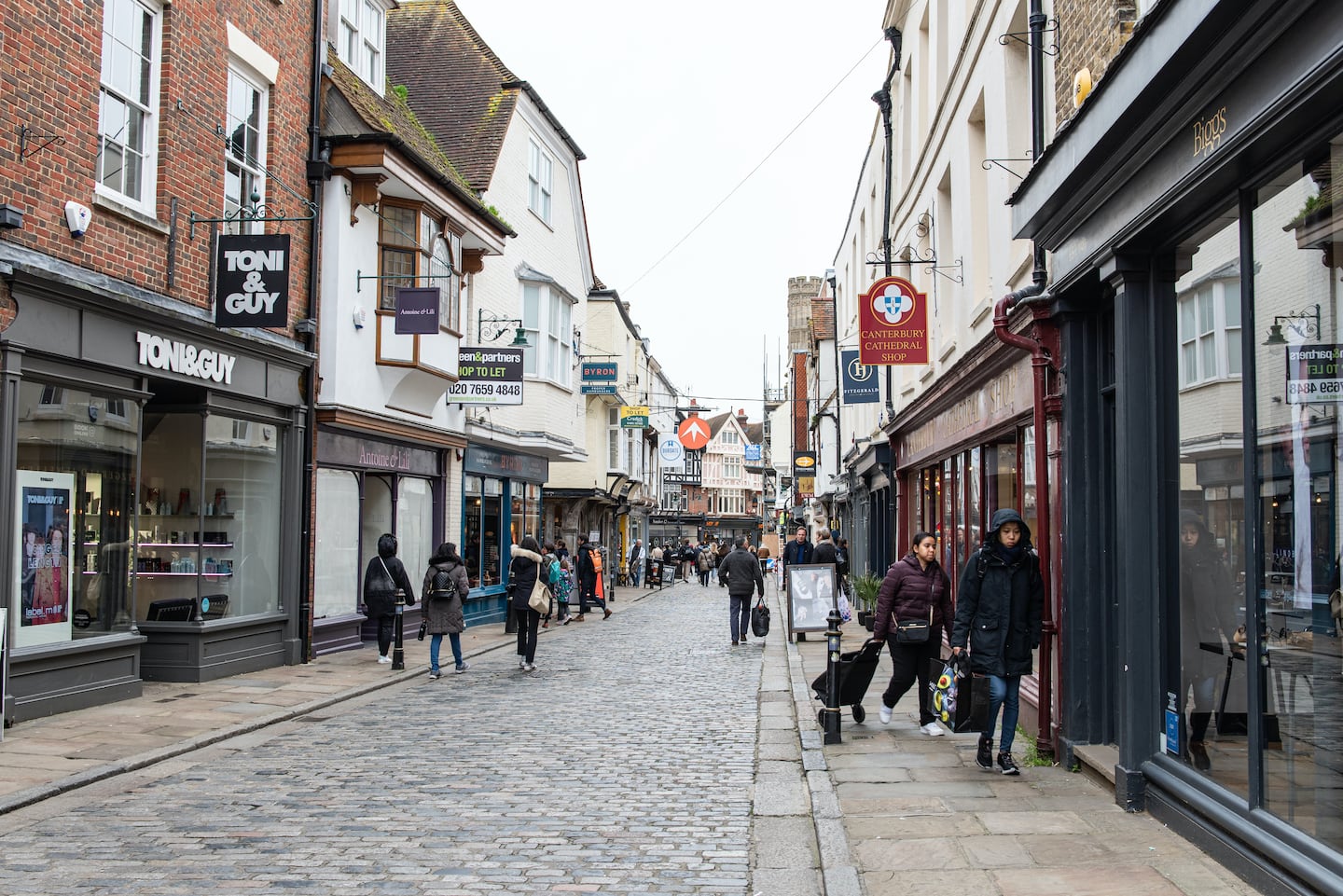
LONDON, United Kingdom — Chancellor of the Exchequer Rishi Sunak scrapped business rates for small firms in an "exceptional step" to help them deal with the disruption caused by the outbreak of coronavirus.
The announcement came hours after the Bank of England cut interest rates, saying it had acted after seeing a "sharp fall" in trading conditions in the last week, particularly in the retail sector and anything driven by discretionary spending.
Business rates, a particular burden for retailers, are taxes to help pay for local services, charged on most commercial properties. They are currently calculated according to the value of a property and have an annual inflationary uplift, or multiplier.
"Our (party political) manifesto promised that for shops, cinemas, restaurants, and music venues with a rateable value of less than £51,000 ($65,943) we would increase their business rates retail discount to 50 percent," Sunak told parliament as he delivered the annual budget.
ADVERTISEMENT
"Today I can go further and take the exceptional step for this coming year of abolishing their business rates altogether."
Britain's retail sector has for years complained that the current business rates system was unfair and needed reform.
Lobby group, the British Retail Consortium (BRC), points out that the industry is the largest private sector employer in Britain, employing about 3 million people. While it accounts for 5 percent of the UK economy, it is burdened with 10 percent of all business taxes, and 25 percent of business rates.
The BRC argues this disparity is damaging Britain's high streets and harming the communities they support.
By Andrew MacAskill and James Davey; editor: Kate Holton
While $1.75 billion in court-approved funding has brought labels back to the fold, the real test for vendors will come when that temporary safety net vanishes later this year.
A growing number of mass and premium brands are pushing upmarket with a more luxe look, better materials and, often, higher prices. This case study unpacks how these labels are navigating the tricky challenge of elevating a brand.
Brands from Prada to Abercrombie & Fitch will provide clarity on how the fashion industry is approaching the newly uncertain trade landscape. Plus, a preview of Paris Fashion Week.
The goods come from more than 380 brands, including Burberry and those owned by luxury powerhouses LVMH and Kering.
It’s not an existential crisis — yet — but Rick Owens and Daniel Roseberry confront some headscratchers in their latest collections.
Stick with the program or switch it up? Angelo Flaccavento reports on Chloé, Rabanne, Schiaparelli, Rick Owens and Uma Wang.
The brands Gap and Banana Republic beat comparable sales estimates.
Sex sells — if anyone can figure out what sexy means in 2026. Robert Williams tracks the search for a new silhouette at Kering’s Gucci, LVMH’s Dior and more.


