
Agenda-setting intelligence, analysis and advice for the global fashion community.
Agenda-setting intelligence, analysis and advice for the global fashion community.

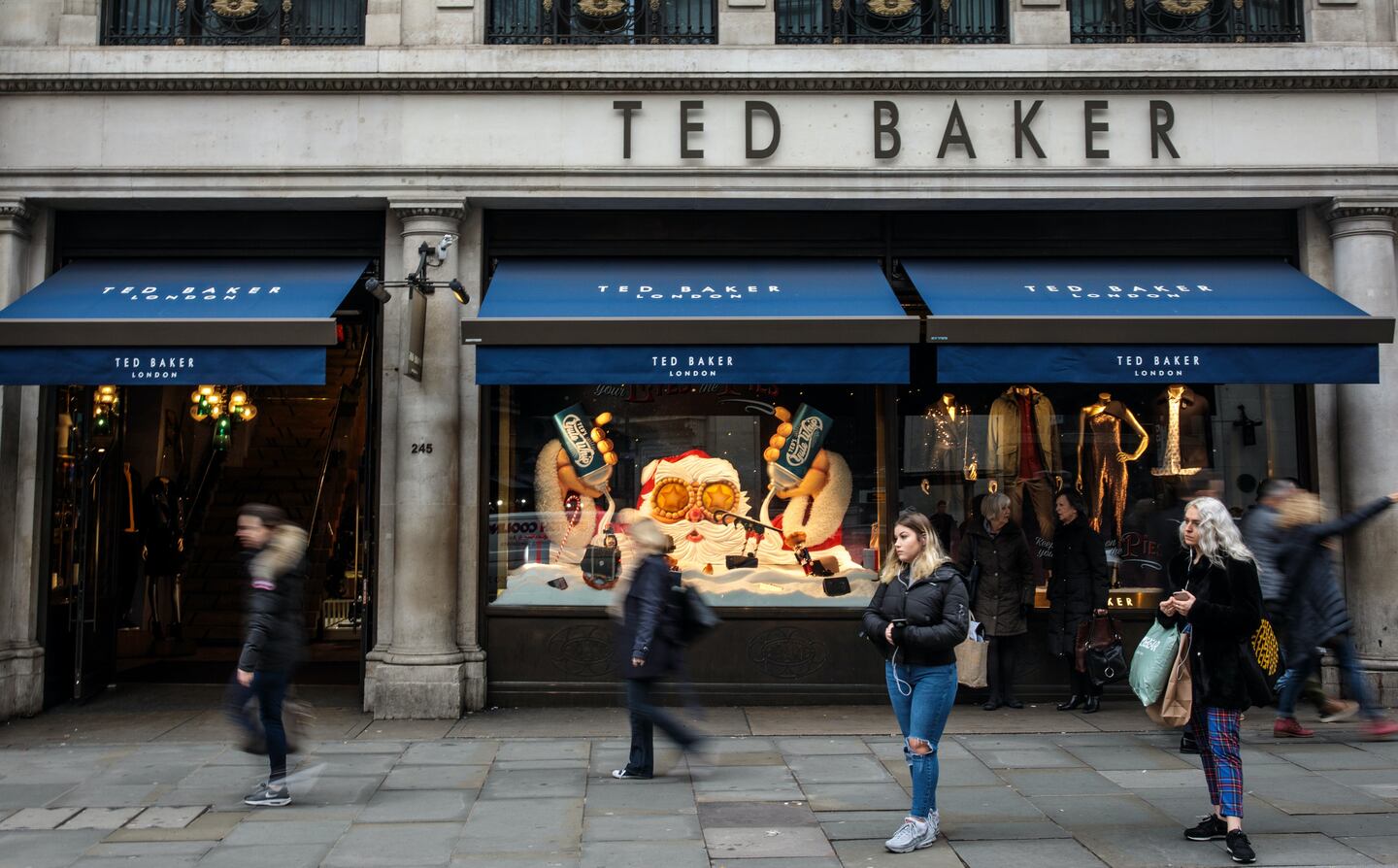
LONDON, United Kingdom — Ted Baker Plc lost more than a third of its value after the UK retailer warned that performance could deteriorate further amid a shift to online shopping and management upheaval.
The company is under pressure from discounters, and unseasonably warm weather in September added to the challenges. The stock fell as much as 36 percent to the lowest level in more than eight years in London trading Thursday.
The apparel chain has been reeling since the resignation of founder Ray Kelvin, after allegations that he gave employees unwanted hugs. While the company has moved to improve office conduct, it’s succumbing to a broader UK retail crisis that has prompted stores to slash prices in an effort to move unsold goods. The company’s February profit warning had cited currency movements and other challenges unrelated to Kelvin’s resignation.
Revenue fell 0.7 percent in the first six months and performance will be below last year’s levels for the full year if current trends persist, the company said in a statement Thursday.
ADVERTISEMENT
"The growth prospects for the business have largely dissipated," said Piral Dadhania, at analyst at RBC Europe. Ted Baker's pricing strategy appears to be disconnected with its brand and quality proposition, according to Dadhania, who cited price increases of as much as 30 percent in categories such as men's blazers and deeper markdowns than rivals on crucial items such as men's polo t-shirts and shirts.
Wayne Brown and Adam Tomlinson, analysts at Liberum Capital, slashed their pretax profit estimate for the year by about 39 percent and placed their buy recommendation under review on the back of the company’s “unexpectedly poor” results.
Ted Baker named Lindsay Page as chief executive officer in April after filling the role in an acting role since December, when Kelvin went on leave before later resigning.
“It has been a challenging half,” Chairman David Bernstein said in the statement, citing “unprecedented and sustained levels of promotional activity across the sector with, in several cases, distressed discounting from brands and retailers and heightened competition.” The company also blamed Brexit and broader political and economic uncertainty for the consumer funk.
By Marthe Fourcade and Greg Ritchie; editor: Eric Pfanner.
While $1.75 billion in court-approved funding has brought labels back to the fold, the real test for vendors will come when that temporary safety net vanishes later this year.
A growing number of mass and premium brands are pushing upmarket with a more luxe look, better materials and, often, higher prices. This case study unpacks how these labels are navigating the tricky challenge of elevating a brand.
Brands from Prada to Abercrombie & Fitch will provide clarity on how the fashion industry is approaching the newly uncertain trade landscape. Plus, a preview of Paris Fashion Week.
The goods come from more than 380 brands, including Burberry and those owned by luxury powerhouses LVMH and Kering.
The activewear giant seems intent on turning its nearly 40-year-old niche outdoor fashion brand into a mainstream success. The plan hinges on convincing backpackers and athletes its rugged technical gear can perform just as well as The North Face or Arc’teryx.
It’s not an existential crisis — yet — but Rick Owens and Daniel Roseberry confront some headscratchers in their latest collections.
Stick with the program or switch it up? Angelo Flaccavento reports on Chloé, Rabanne, Schiaparelli, Rick Owens and Uma Wang.
The brands Gap and Banana Republic beat comparable sales estimates.


