
Agenda-setting intelligence, analysis and advice for the global fashion community.
Agenda-setting intelligence, analysis and advice for the global fashion community.

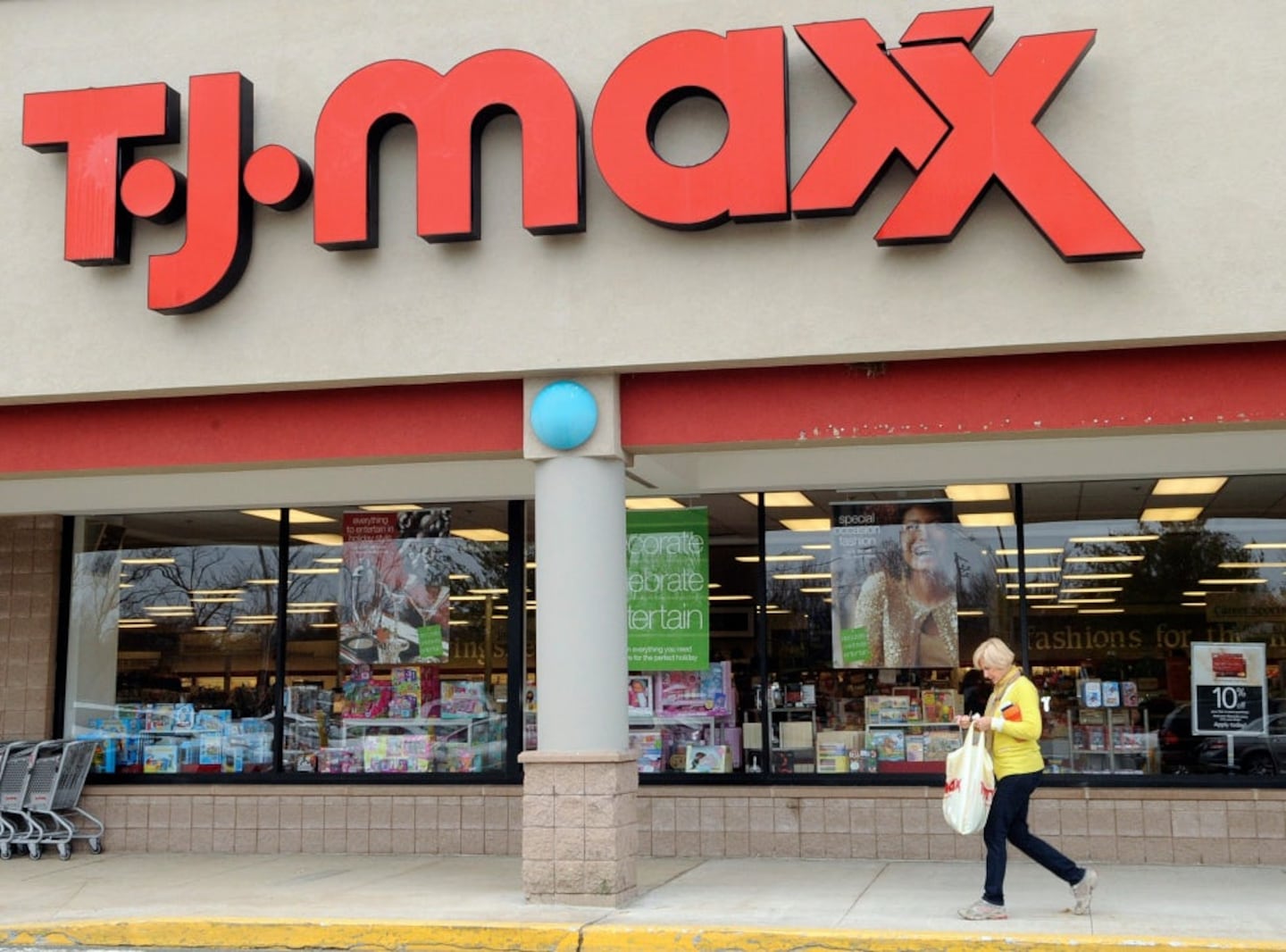
NEW YORK, United States — TJX, owner of off-price retailers T.J. Maxx and Marshalls, said Wednesday it expects current-quarter same-store sales to fall up to 20 percent after reporting a bigger-than-expected loss for the previous three months, sending the off-price retailer's shares down about 7 percent.
Much like department-store chain Kohl's Corp and retail giant Walmart Inc , TJX said it anticipated slower back-to-school selling season, as more school districts rolled back their reopening plans.
The retail chain also grappled with bringing shipments into its stores, particularly in Canada, due to virus-led supply and logistics issues that have gripped some retailers ever since the lockdown was imposed.
Several apparel brands are keeping their best merchandise for their own channels or have put their wholesale business on pause due to supply-chain issues, forcing department stores and off-price players to rely more on other categories.
ADVERTISEMENT
Still, TJX said it had increased its buying since mid-July to support the flow of inventory.
TJX, which forecast third-quarter comparable sales at its reopened stores to decline 10 percent to 20 percent, also said traffic and demand have moderated after a stronger-than-expected surge upon the reopening of its stores.
The Framingham, Massachusetts-based company has reopened nearly all of its 4,557 locations in nine countries.
In the quarter, TJX's Marmaxx brand witnessed a 6 percent decline in comparable sales at its reopened stores, even as its HomeGoods chain, which sells furniture, rugs, tabletop and cookware, posted a 20 percent increase.
Overall net sales slumped 32 percent to $6.67 billion as its stores were closed for nearly one-thirds of the quarter, but the numbers came in above estimates of $6.57 billion.
Excluding items, it lost 18 cents per share in the second quarter ended Aug. 1, compared with market expectations of 10 cents per share, according to IBES data from Refinitiv.
By Praveen Paramasivam; editor: Sherry Jacob-Phillips
The brands Gap and Banana Republic beat comparable sales estimates.
Sex sells — if anyone can figure out what sexy means in 2026. Robert Williams tracks the search for a new silhouette at Kering’s Gucci, LVMH’s Dior and more.
Christine Hunsicker admitted she falsified financial statements to promote CaaStle Inc. as a valuable, growing business when in reality it was struggling.
The American cosmetic giant’s buyout of Ayurvedic beauty line Forest Essentials came as a surprise. By picking an under-the-radar brand it knows well, the company can show that it’s still in the M&A game without needing to outbid rivals.