
Agenda-setting intelligence, analysis and advice for the global fashion community.
Agenda-setting intelligence, analysis and advice for the global fashion community.

LONDON, United Kingdom — J Sainsbury Plc, the supermarket that's been selling Britons their bread and baked beans for more than a century, is looking beyond the grocery aisles for a competitive edge in a tough market, seeking inspiration from the catwalks of Los Angeles and Milan.
The retailer has created a team of 30 fashion spotters who scour runways around the world to gain inspiration for its Tu clothing range. By identifying trends like denim frill tunics, which Sainsbury sells for £20 ($26), and two-tone skinny jeans (£18) they’re adding to mounting pressure on the UK’s more established apparel sellers, including Marks & Spencer Group Plc and Next Plc.
“We decided we needed to compete more with the high street,” Sainsbury’s commercial director James Brown said by phone, “both in terms of the pace at which clothing was changing through the season, as well as on our quality and the trends we sell.”
While retailers like Wal-Mart Stores Inc., Carrefour SA in France and Tesco Plc and M&S in the UK have long sold food and clothing under the same roof, British supermarkets’ apparel offerings have generally focused on low-end items like T-shirts and underwear. Now Sainsbury is moving upmarket with a more stylish approach, seeking to make further inroads into a market where the country’s mainstream fashion chains are struggling amid the rise of online alternatives.
ADVERTISEMENT
“A Sainsbury’s shopper is highly likely to shop at M&S and Next too,” said Maureen Hinton, research director at GlobalData Retail. “Sainsbury’s is producing the sort of ranges you’re likely to see in those shops and they’re both feeling the pinch.”
Sainsbury’s growing clothing sales offer relief from stagnation in the UK grocery business amid incursions from discounters Aldi and Lidl. The company has brought manufacturing closer to home to ensure it can quickly stock the latest trends and struck brand partnerships with the likes of Russell Athletic to ride the “athleisure” wave that has seen sales of sporty fashions surge since the start of the decade.
The supermarket has also targeted older, more affluent customers with a premium offering that has been available online since last year and a range of fashions designed by TV presenter Gok Wan.
Leather Jacket
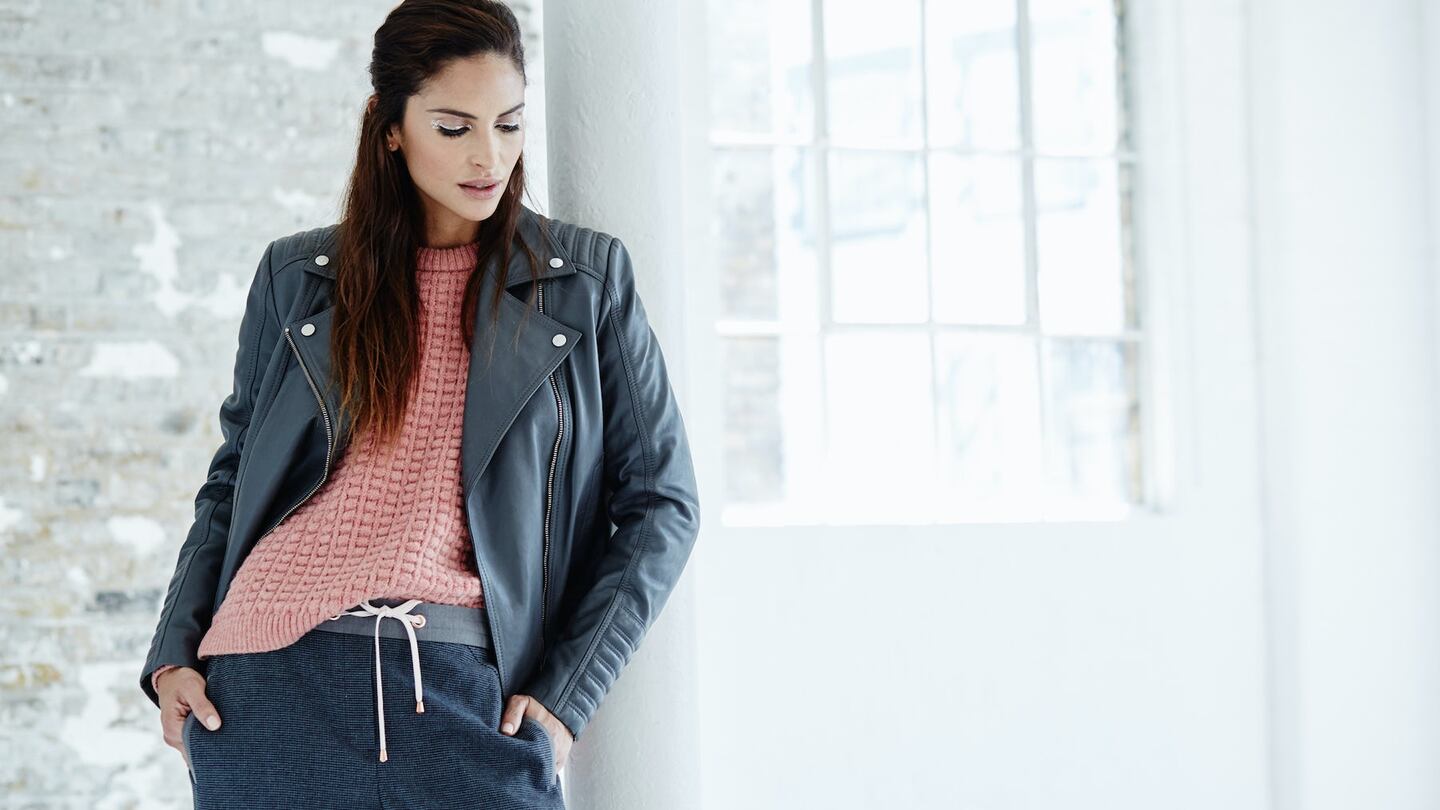
While Sainsbury’s clothing business is still smaller than that of rival supermarkets Asda, owned by Wal-Mart, and Tesco, it’s the only grocer that’s growing its share of the clothing market. Having an insight into the latest international fashion trends is crucial to a business that recently sold out of a 95-pound leather jacket online within a week.
“If our buying team are going to be in China, they might stop off in Korea and travel around some of the markets to understand what’s going on there or go to Japan because that’s often a great influence for our autumn ranges,” Brown said. “All trends are relevant for us, but the knack is how we translate those in a way our customers will like.”
So far, the signs are positive.With apparel sales of almost £1 billion, Sainsbury is now the UK’s 10th-largest clothing retailer by value and sixth-largest by number of garments sold, according to researcher Kantar Worldpanel. Its clothing revenue grew by 4 percent last year, beating a 1 percent rise in the £42.8 billion UK market.
For the likes of Marks & Spencer and Next, Sainsbury’s gains represent a growing menace at a time when online competitors such as Asos Plc and Boohoo.com Plc are thriving.
ADVERTISEMENT
“Sainsbury’s poses an increasing threat to the high street,” Glen Tooke, fashion analyst at Kantar Worldpanel, said. “There was a stigma about buying your clothes in a supermarket five or ten years ago, but that’s going, if not gone.”
By Sam Chambers; editors: Eric Pfanner and Paul Jarvis.
While $1.75 billion in court-approved funding has brought labels back to the fold, the real test for vendors will come when that temporary safety net vanishes later this year.
A growing number of mass and premium brands are pushing upmarket with a more luxe look, better materials and, often, higher prices. This case study unpacks how these labels are navigating the tricky challenge of elevating a brand.
Brands from Prada to Abercrombie & Fitch will provide clarity on how the fashion industry is approaching the newly uncertain trade landscape. Plus, a preview of Paris Fashion Week.
The goods come from more than 380 brands, including Burberry and those owned by luxury powerhouses LVMH and Kering.
Christine Hunsicker admitted she falsified financial statements to promote CaaStle Inc. as a valuable, growing business when in reality it was struggling.
The American cosmetic giant’s buyout of Ayurvedic beauty line Forest Essentials came as a surprise. By picking an under-the-radar brand it knows well, the company can show that it’s still in the M&A game without needing to outbid rivals.
The underwear company is anticipating net sales of at least $6.85 billion in the current fiscal year, exceeding analyst estimates and marking the highest revenue since its split from L Brands Inc in 2021.
The Japanese brand is accelerating its expansion in India to capture a greater share of the rapidly growing apparel market and affluent consumer base.


