Agenda-setting intelligence, analysis and advice for the global fashion community.
Agenda-setting intelligence, analysis and advice for the global fashion community.

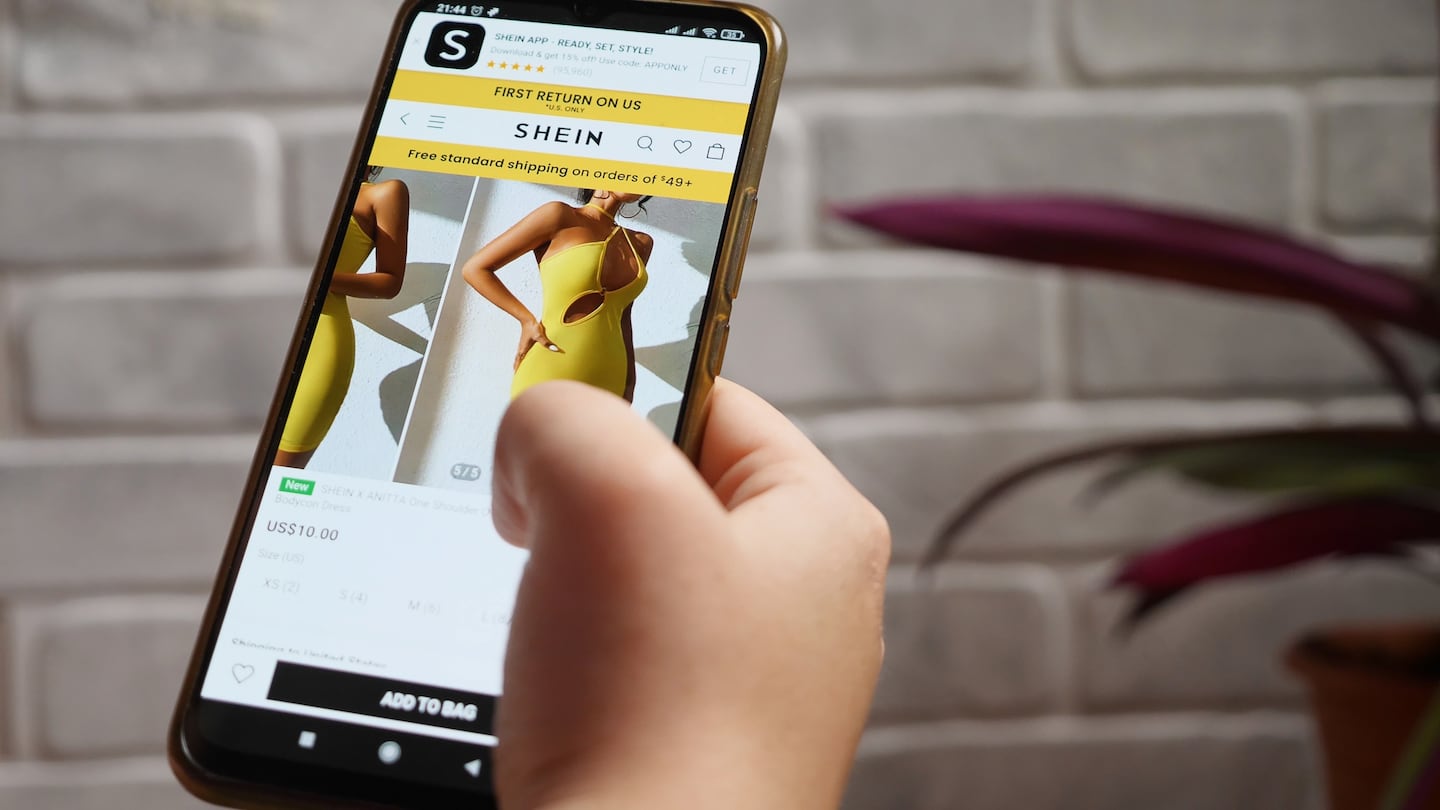
Chinese-founded online fast-fashion giant Shein won approvals to re-enter India only after agreeing to a stringent licensing deal with Mukesh Ambani’s Reliance Industries Ltd., according to people familiar with the matter.
The agreement, which comes three years after Shein was booted out of India, will require the retail arm of Reliance to fully own the domestic business, while Singapore-headquartered Shein will offer production support and training to over 25,000 small and mid-sized local suppliers so they can produce for Shein-branded products globally, the people said, asking not to be identified because the details are private.
Such a structure would allow Shein to tap into rising consumer demand in the world’s most populous country and take a cut from sales, the people said.
It would also allow Shein to increase the share of made-in-India goods sold on its platform, potentially adding some 500 billion rupees ($6.1 billion) of exports from the South Asian nation, should its manufacturers be able to handle one fourth of Shein’s global demand, the people added.
ADVERTISEMENT
Representatives and spokespeople for Shein and Reliance declined to comment.
Shein was among a slew of Chinese apps that India banned in 2020 following deadly clashes between the two countries’ soldiers along their disputed Himalayan border. Shein, which doesn’t sell any of its apparel in China, has since tried to distance itself from its home country, relocating its headquarters to Singapore in 2021.
All data generated by Shein’s app and from its operations in India will be stored in India and be inaccessible to the online retailer in compliance with strict requirements from the Indian government over data security concerns, the people said.
Since there is no equity involved, Shein will be paid a license fee from the Indian entity and payments will also only be made out of any profits that entity makes, they said.
The specific requirements show how New Delhi is intent upon keeping Shein at arm’s length while seeking to leverage its know-how to build up India’s own manufacturing prowess. Prime Minister Narendra Modi is bent on turning the South Asian nation into an alternative manufacturing hub amid growing global concern about over-reliance on China in supply chains. India has said it wants to more than double its annual exports to $2 trillion by the end of the decade.
Expanding its footprint in India is also part of an ongoing push by Shein to diversify its own manufacturing sources. The company has also moved to shore up local production in countries from Brazil to Turkey.
By Bloomberg News
Learn more:
ADVERTISEMENT
Report: Shein Raises $2 Billion at a Lower Valuation
The latest funding round for the Chinese fast fashion behemoth puts the company at two-thirds of its $100 billion valuation from last year, according to the Wall Street Journal.
While $1.75 billion in court-approved funding has brought labels back to the fold, the real test for vendors will come when that temporary safety net vanishes later this year.
A growing number of mass and premium brands are pushing upmarket with a more luxe look, better materials and, often, higher prices. This case study unpacks how these labels are navigating the tricky challenge of elevating a brand.
Brands from Prada to Abercrombie & Fitch will provide clarity on how the fashion industry is approaching the newly uncertain trade landscape. Plus, a preview of Paris Fashion Week.
The goods come from more than 380 brands, including Burberry and those owned by luxury powerhouses LVMH and Kering.
Christine Hunsicker admitted she falsified financial statements to promote CaaStle Inc. as a valuable, growing business when in reality it was struggling.
The American cosmetic giant’s buyout of Ayurvedic beauty line Forest Essentials came as a surprise. By picking an under-the-radar brand it knows well, the company can show that it’s still in the M&A game without needing to outbid rivals.
The underwear company is anticipating net sales of at least $6.85 billion in the current fiscal year, exceeding analyst estimates and marking the highest revenue since its split from L Brands Inc in 2021.
The Japanese brand is accelerating its expansion in India to capture a greater share of the rapidly growing apparel market and affluent consumer base.