Agenda-setting intelligence, analysis and advice for the global fashion community.
Agenda-setting intelligence, analysis and advice for the global fashion community.

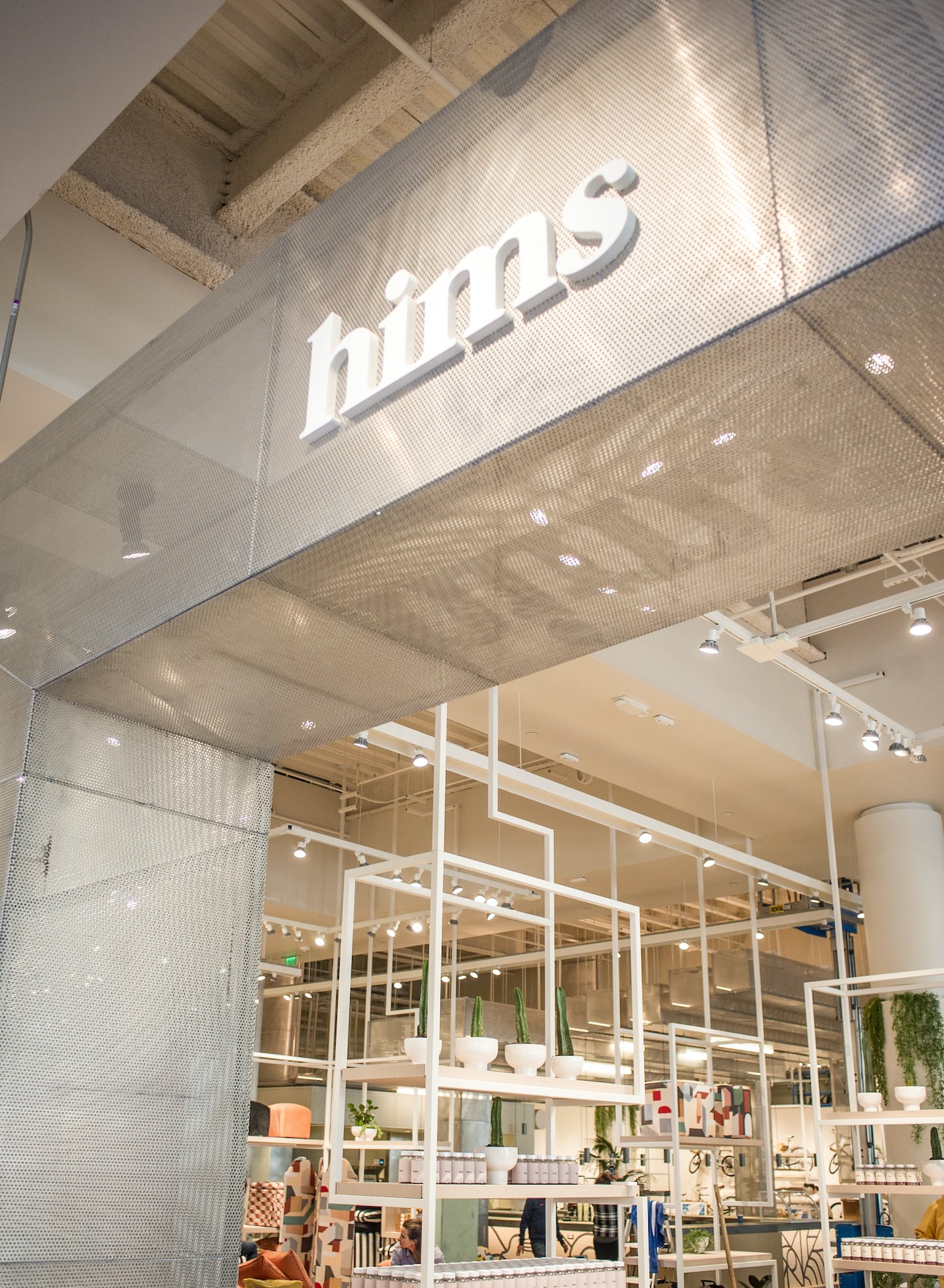
Neighborhood Goods, a chain of multi-brand stores that stock indie brands such as Andie Swim and D.S. & Durga, is shuttering, chief executive Matt Alexander confirmed in an email statement to BoF.
Alexander launched the company in 2018 alongside consultant Mark Masinter. Since then, they’ve raised more than $25 million in funding, according to Crunchbase. The thesis was simple and innovative at the time: Become the WeWork of direct-to-consumer brands that lack the capital and operational know-how to open their own stores.
But taking on leases on their behalf means the liability ultimately falls on Neighborhood Goods. Showfields, a competitor that took on even bigger spaces and invested in large-scale build-outs to showcase a rotating cast of obscure brands, filed for bankruptcy in October.
In early January, the Dallas Morning News reported that Neighborhood Goods had closed its stores in Plano and Austin, Texas. Its remaining locations are in Chelsea Market in Manhattan and the Fashion Island mall in Newport Beach, Calif.
ADVERTISEMENT
As costs of borrowing skyrocketed last year, direct-to-consumer companies and their investors could no longer afford to operate in the red. As a result, once-promising brands like Parade and Lunya were either sold in fire sales or forced to close. This year, the industry will no doubt continue to grapple with the consequences of the grow-at-all-costs business model that dominated the market in the past decade.
Learn more:
How the DTC Bust Could Play Out
Fashion and beauty start-up valuations appear to have stabilised after plunging last year, though it may be months or even years before many return to their old highs — if they ever do. But there are ways for emerging and established players to ride out the downturn.
While $1.75 billion in court-approved funding has brought labels back to the fold, the real test for vendors will come when that temporary safety net vanishes later this year.
A growing number of mass and premium brands are pushing upmarket with a more luxe look, better materials and, often, higher prices. This case study unpacks how these labels are navigating the tricky challenge of elevating a brand.
Brands from Prada to Abercrombie & Fitch will provide clarity on how the fashion industry is approaching the newly uncertain trade landscape. Plus, a preview of Paris Fashion Week.
The goods come from more than 380 brands, including Burberry and those owned by luxury powerhouses LVMH and Kering.
The brands Gap and Banana Republic beat comparable sales estimates.
Sex sells — if anyone can figure out what sexy means in 2026. Robert Williams tracks the search for a new silhouette at Kering’s Gucci, LVMH’s Dior and more.
Christine Hunsicker admitted she falsified financial statements to promote CaaStle Inc. as a valuable, growing business when in reality it was struggling.
The American cosmetic giant’s buyout of Ayurvedic beauty line Forest Essentials came as a surprise. By picking an under-the-radar brand it knows well, the company can show that it’s still in the M&A game without needing to outbid rivals.