
Agenda-setting intelligence, analysis and advice for the global fashion community.
Agenda-setting intelligence, analysis and advice for the global fashion community.

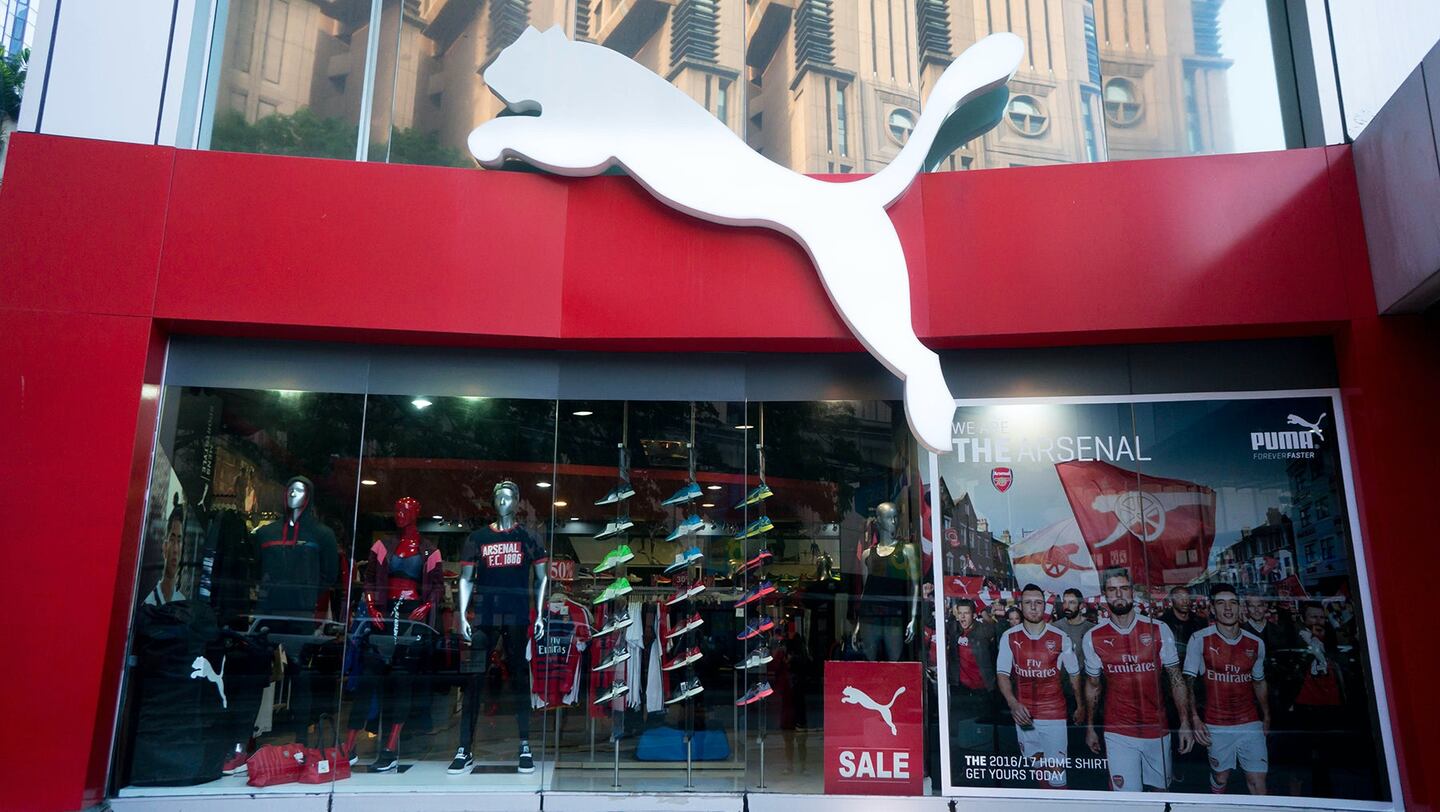
BERLIN, Germany — German sportswear group Puma cautioned on Thursday that it would take a hit from US tariffs on China in the fourth quarter but still raised its sales forecast and narrowed its profit target after a strong third quarter in all regions.
"So far everybody is eating the tariffs in their margins," Chief Executive Bjorn Gulden told journalists, adding that he expected rivals to increase US prices, but Puma would not hike first as it is not the market leader.
Instead, Puma would seek to shift even more production for the US market from China to countries like Vietnam and Indonesia, Gulden said.
Production in China for the US market has already been cut to about 20 percent from more than 50 percent five years ago, he said.
ADVERTISEMENT
That has incurred extra costs as some styles are now produced in two places. However, it has not led to reducing production in China because the domestic market there is growing so fast and has absorbed volume previously destined for the United States.
"The fourth quarter will be the first quarter where the US tariffs on China will have an impact. Currently, without price increases, this is putting pressure on EBIT, at least in the short term," Gulden said.
Puma said its third quarter sales rose by a currency adjusted 17 percent to €1.48 billion ($1.65 billion), beating average analyst forecasts for 1.45 billion, while operating earnings were up 25 percent to €162 million, in line with analyst expectations.
Inventories rose 28 percent to €1.14 billion as Puma front-loaded products for the United States to beat the tariff rise.
Puma's shares, which have risen by almost three quarters in the last year, were down 2.8 percent at 8.24 am GMT, the second biggest loser on the German mid-cap index.
The company's growth has been outpacing rivals like Adidas and Nike, which recently reported that its quarterly revenue and profit beat market expectations as a push to sell sneakers direct to consumers gained pace, boosting margins.
Puma said it now expects currency-adjusted sales to rise around 15 percent for the full year, up from a previous forecast for 13 percent, while operating earnings will come in at €420 million to €430 million, versus a previous €410-430 million range.
In the third quarter, Puma's sales rose 28.5 percent in Asia-Pacific and 17.9 percent in the Americas and recovered in Europe, the Middle East and Africa to 9.7 percent.
ADVERTISEMENT
Growth in the Americas was powered by Puma's return to selling basketball products, while the European market was holding up well despite the lack of a major soccer tournament, Gulden said.
By Emma Thomasson; editors: Riham Alkousaa, Thomas Escritt and Susan Fenton.
While $1.75 billion in court-approved funding has brought labels back to the fold, the real test for vendors will come when that temporary safety net vanishes later this year.
A growing number of mass and premium brands are pushing upmarket with a more luxe look, better materials and, often, higher prices. This case study unpacks how these labels are navigating the tricky challenge of elevating a brand.
Brands from Prada to Abercrombie & Fitch will provide clarity on how the fashion industry is approaching the newly uncertain trade landscape. Plus, a preview of Paris Fashion Week.
The goods come from more than 380 brands, including Burberry and those owned by luxury powerhouses LVMH and Kering.
Sex sells — if anyone can figure out what sexy means in 2026. Robert Williams tracks the search for a new silhouette at Kering’s Gucci, LVMH’s Dior and more.
Christine Hunsicker admitted she falsified financial statements to promote CaaStle Inc. as a valuable, growing business when in reality it was struggling.
The American cosmetic giant’s buyout of Ayurvedic beauty line Forest Essentials came as a surprise. By picking an under-the-radar brand it knows well, the company can show that it’s still in the M&A game without needing to outbid rivals.
The underwear company is anticipating net sales of at least $6.85 billion in the current fiscal year, exceeding analyst estimates and marking the highest revenue since its split from L Brands Inc in 2021.


