
Agenda-setting intelligence, analysis and advice for the global fashion community.
Agenda-setting intelligence, analysis and advice for the global fashion community.

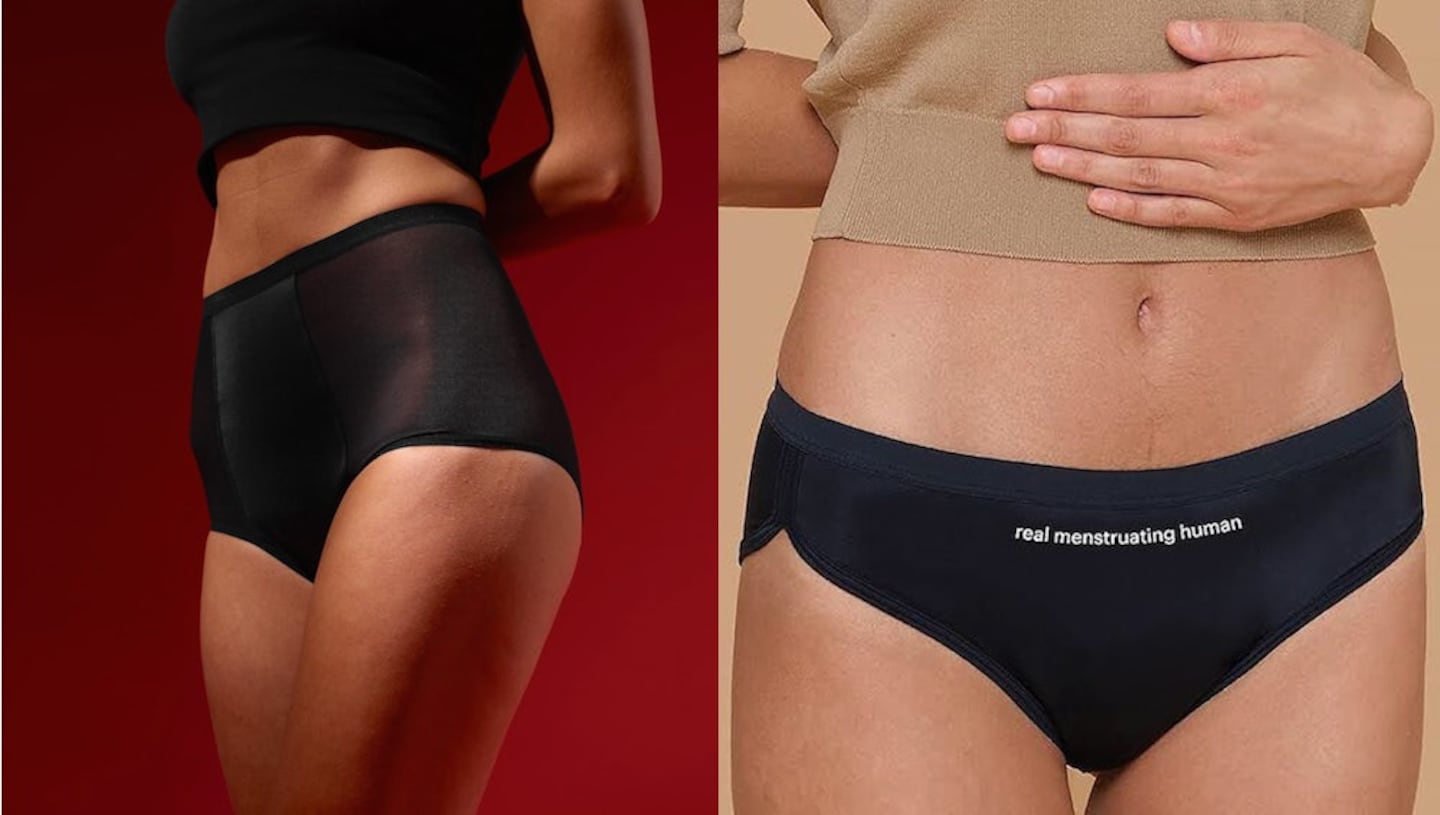
The maker of Kotex and Kleenex had initially invested $25 million in Thinx in 2019. The year prior, Thinx generated $50 million in annual sales, according to a Wall Street Journal report. The terms of the deal were not disclosed.
Founded nearly a decade ago through a Kickstarter campaign, Thinx was an early player in the leak-proof underwear category. In 2017, the company encountered controversy after a former employee accused co-founder Miki Agrawal of sexual harassment and inappropriate behaviour. Agrawal has since exited the company.
“Our investment in the success of Thinx represents a compelling strategic fit as we build our portfolio of period and light bladder leakage solutions,” Russ Torres, group president of Kimberly-Clark’s North American consumer business, said in a statement.
Period clothing is a growing market. Knix, a Toronto-based underwear brand also known for its leak-proof products, raised $43.5 million in a growth equity fundraising round last May. Newcomers have entered the space in recent years, such as Saalt and the Period Company, co-founded by stylist Karla Welch in 2020.
ADVERTISEMENT
Learn more:
For Lingerie Brands, Taking on Victoria’s Secret Is Harder Than It Looks
The Sycamore Partners-backed lingerie brand may be losing relevance, but no successor in the highly competitive women’s intimates market has emerged.
While $1.75 billion in court-approved funding has brought labels back to the fold, the real test for vendors will come when that temporary safety net vanishes later this year.
A growing number of mass and premium brands are pushing upmarket with a more luxe look, better materials and, often, higher prices. This case study unpacks how these labels are navigating the tricky challenge of elevating a brand.
Brands from Prada to Abercrombie & Fitch will provide clarity on how the fashion industry is approaching the newly uncertain trade landscape. Plus, a preview of Paris Fashion Week.
The goods come from more than 380 brands, including Burberry and those owned by luxury powerhouses LVMH and Kering.
The Japanese brand is accelerating its expansion in India to capture a greater share of the rapidly growing apparel market and affluent consumer base.
Strong growth at Miu Miu helped lift results, but the Italian luxury group said that integrating Versace will weigh on margins in the near term as it begins the turnaround of the struggling brand
Activist fund Oasis Management Co. is calling on the Japanese personal care company to convene an extraordinary general meeting, seeking a probe into its supply-chain risk management and internal control.
The retailer surpassed annual sales forecasts but expects a $60 million drag from import tariffs in the first half of 2026.