
Agenda-setting intelligence, analysis and advice for the global fashion community.
Agenda-setting intelligence, analysis and advice for the global fashion community.

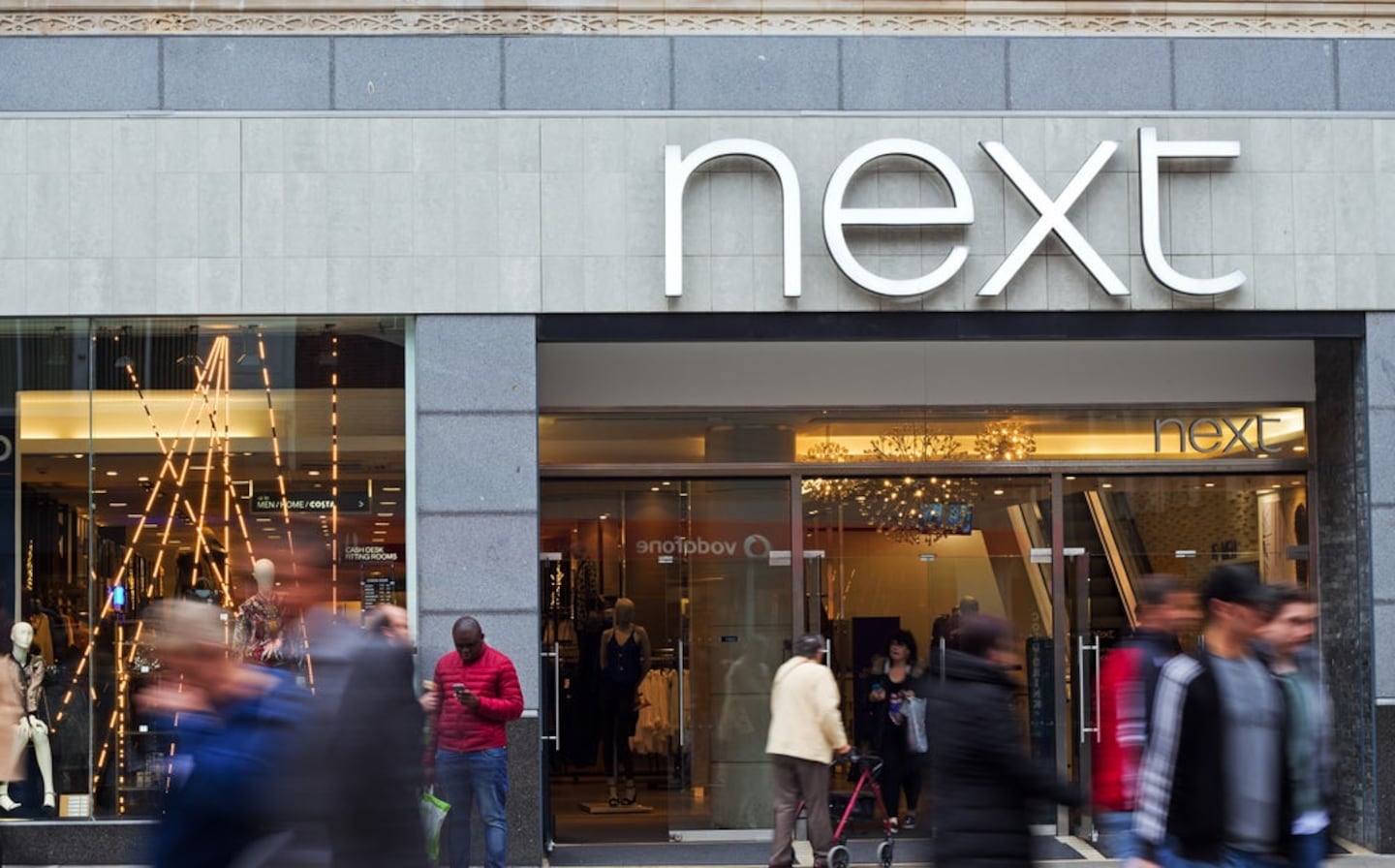
LONDON, United Kingdom — After Next Plc chief executive officer Simon Wolfson alarmed investors with frank assessments of the challenges facing the UK retailer, its bargain-basement share price has started to draw some of them back.
Funds including Altavista Investment Management UK LLP and Woodford Investment Management LLP have built up their holdings in the British clothing mainstay since Wolfson in January precipitated a new sell-off in Next shares by warning that Britain’s apparel spending slump would persist.
Neil Woodford, whose fund company is Next’s sixth-largest shareholder with a stake worth about £181.4 million ($226 million), said in a blog post that Next remains well-managed and cash generative. Altavista says it is attracted to Wolfson’s track record of steering the retailer through even darker times — which include the global financial crisis, when Next gained market share. The chief executive officer’s mantra in such circumstances is to prioritise profit over sales.
“Next’s management is stable, disciplined and commercially savvy,” said Vinod Nair, co-chief investment officer at Altavista, which has 2 percent to 3 percent of its $200 million-plus fund in the chain’s shares.
ADVERTISEMENT
The investors’ confidence has yet to be borne out. Next shares have fallen 24 percent this year and are trading close to a four-year low. Six analysts have a sell recommendation on the stock, compared with three that have Next as a buy.
Next is trading at the biggest discount to its UK retail peers in about 12 years. On a multiple of 8.8 times estimated earnings, it is more affordable than even rival Marks & Spencer Group Plc, whose sales are mired in a five-year slump.
The low valuation reflects a range of difficulties facing Britain’s shopkeepers, as well as Wolfson’s willing acknowledgment of them. Last March he warned that UK retail conditions were like “walking up the down escalator.”
Brits are spending a decreasing proportion of their money on clothing and what they do spend is increasingly going online. A fall in the pound since the UK’s vote to leave the European Union is expected to spur inflation and squeeze disposable incomes, while a new minimum wage and higher commercial property taxes are lifting retailers’ costs.
The company’s detractors argue that Next is not in just another cycle this time, and some question Wolfson’s strategic moves. The CEO plans to increase store space, even as consumers shift their spending online.
“They should close some of their older stores which are a drag on profitability,” said George Mensah, an analyst at Shore Capital who has a sell rating on the shares. “We don’t believe the management team are doing the right things. Next is a value trap.”
By Sam Chambers; editors: Eric Pfanner and Paul Jarvis.
While $1.75 billion in court-approved funding has brought labels back to the fold, the real test for vendors will come when that temporary safety net vanishes later this year.
A growing number of mass and premium brands are pushing upmarket with a more luxe look, better materials and, often, higher prices. This case study unpacks how these labels are navigating the tricky challenge of elevating a brand.
Brands from Prada to Abercrombie & Fitch will provide clarity on how the fashion industry is approaching the newly uncertain trade landscape. Plus, a preview of Paris Fashion Week.
The goods come from more than 380 brands, including Burberry and those owned by luxury powerhouses LVMH and Kering.
Christine Hunsicker admitted she falsified financial statements to promote CaaStle Inc. as a valuable, growing business when in reality it was struggling.
The American cosmetic giant’s buyout of Ayurvedic beauty line Forest Essentials came as a surprise. By picking an under-the-radar brand it knows well, the company can show that it’s still in the M&A game without needing to outbid rivals.
The underwear company is anticipating net sales of at least $6.85 billion in the current fiscal year, exceeding analyst estimates and marking the highest revenue since its split from L Brands Inc in 2021.
The Japanese brand is accelerating its expansion in India to capture a greater share of the rapidly growing apparel market and affluent consumer base.


