
Agenda-setting intelligence, analysis and advice for the global fashion community.
Agenda-setting intelligence, analysis and advice for the global fashion community.

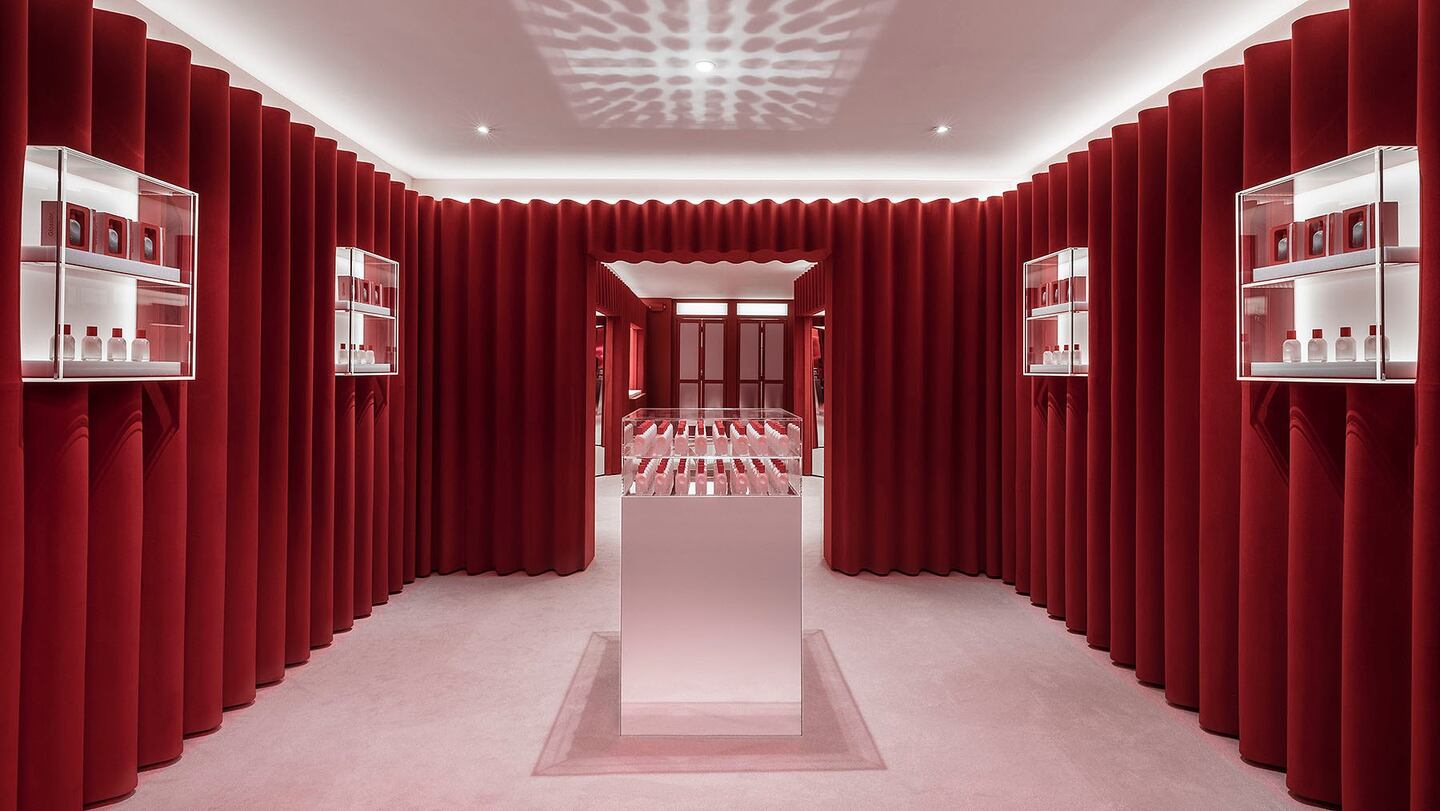
NEW YORK, United States — It wasn't that long ago that retailers looking for space at shopping centres would get paperwork only for a multiyear lease.
These days mall landlord Macerich is offering 180 days.
Last month, Macerich launched BrandBox, a leasing program that allows online sellers to dip their toes into the bricks-and-mortar universe with a temporary pop-up store. The first one, featuring six retailers, is up and running at northern Virginia’s Tysons Corner Center, with plans to expand to at least five more states. The leases are six to 12 months, and the store walls are flexible, meaning Macerich can switch up the layout to accommodate different numbers of shops.
“Instead of selling real estate, we’re selling a solution,” said Kevin McKenzie, Macerich’s chief digital officer. “That’s an entirely new process, culturally, for our company.”
ADVERTISEMENT
Macerich, which owns more than 50 shopping centres, is trying to reclaim some of the industry’s mojo. Big-box stores such as Sears and Toys “R” Us, once anchors that drew crowds ready to spend, have filed for bankruptcy. Malls, over the years, have struggled to attract foot traffic. Signing retailers to long leases and hoping none of them takes a trip to bankruptcy court is starting to look like an outdated formula. Kids these days, at least the ones with the money to shop, aren’t into brand loyalty. They’re into Instagram.
"The customer has so many options," said Mary Alderete, Banana Republic's chief marketing officer. "It's all a matter of relevance. You have to have the agility to be able to connect with them in a meaningful way."
For companies considering a mall pop-up, the holiday shopping season might be the ideal time. Lego has one at Smith Haven Mall in Lake Grove, New York. Two online sellers that helped hurt malls are now coming back to them. Internet home-goods seller Wayfair opened a pop-up at the Natick Mall in Massachusetts and another at the Westfield Garden State Plaza in New Jersey. Amazon has pop-ups at 17 malls across the US where customers can test and buy a slew of gadgets.
Instead of selling real estate, we're selling a solution.
Even some of the more traditional retail stalwarts have gotten into the act. Macy’s and Bloomingdale’s have both allocated store space for a rotating number of various brands and products.
“You had to sign a multiyear lease to be in a mall, but that’s changed,” said Jennifer Granozio, senior vice president at Allied Experiential, which organises pop-ups across the country. “Now they’re letting you rent an empty space for a few months. They never used to let you do that.”
This year, shopping center owner Kimco Realty began testing its own pop-up pilot program, offering a variety of store sizes and flexible terms. Real estate firm Jones Lang LaSalle created a specialty leasing team that focuses on short-term store rentals.
Pop-ups bring “some excitement to some dead wings, or some not-so-well-trafficked wings” of shopping centres, said Greg Maloney, chief executive officer of Jones Lang LaSalle’s retail unit.
The idea has worked when it comes to urban storefronts, giving landlords a chance to fill empty space between longer leases. Websites such as Storefront and Appear Here, which serve as a kind of Airbnb connecting empty retail spaces with short-term tenants, have helped smooth the way.
ADVERTISEMENT
Storefront has about 3,000 U.S. real estate listings, about 20 percent in malls, Chief Executive Officer Mohamed Haouache said. That’s a big jump from the fewer than 5 percent in 2013, its founding year.
“It shows, for many malls, their revenue models are going to change entirely,” Haouache said.
The proliferation of pop-ups has led to a whole new category. Granozio calls them pop-overs. That’s when a company rents an already existing business — say, a barber shop or bakery — revamps it, and hosts a day-long event.
Last year, Uber took over a drive-in theatre in Maryland, decked it out in retro decor and Uber swag, and opened it for its drivers for a day. In March, the mostly online cosmetics brand Glossier rented a San Francisco cafe to host an evening of cosmetics trials and food. It can be cheaper, since much of the infrastructure — counters, appliances, maybe even staff — is already there.
“This is an evolution,” said Gabriela Baiter, a pop-up specialist at Whereabout Studio in Santa Monica, California. Mom-and-pop shops renting their space to other retailers “can be a whole other marketplace.”
By Hema Parmar, Justina Vasquez and Lily Katz; editors: Anne Riley Moffat, Debarati Roy, Bob Ivry and Jonathan Roeder; with assistance from Gerald Porter Jr.
While $1.75 billion in court-approved funding has brought labels back to the fold, the real test for vendors will come when that temporary safety net vanishes later this year.
A growing number of mass and premium brands are pushing upmarket with a more luxe look, better materials and, often, higher prices. This case study unpacks how these labels are navigating the tricky challenge of elevating a brand.
Brands from Prada to Abercrombie & Fitch will provide clarity on how the fashion industry is approaching the newly uncertain trade landscape. Plus, a preview of Paris Fashion Week.
The goods come from more than 380 brands, including Burberry and those owned by luxury powerhouses LVMH and Kering.
The activewear giant seems intent on turning its nearly 40-year-old niche outdoor fashion brand into a mainstream success. The plan hinges on convincing backpackers and athletes its rugged technical gear can perform just as well as The North Face or Arc’teryx.
It’s not an existential crisis — yet — but Rick Owens and Daniel Roseberry confront some headscratchers in their latest collections.
Stick with the program or switch it up? Angelo Flaccavento reports on Chloé, Rabanne, Schiaparelli, Rick Owens and Uma Wang.
The brands Gap and Banana Republic beat comparable sales estimates.


