
Agenda-setting intelligence, analysis and advice for the global fashion community.
Agenda-setting intelligence, analysis and advice for the global fashion community.

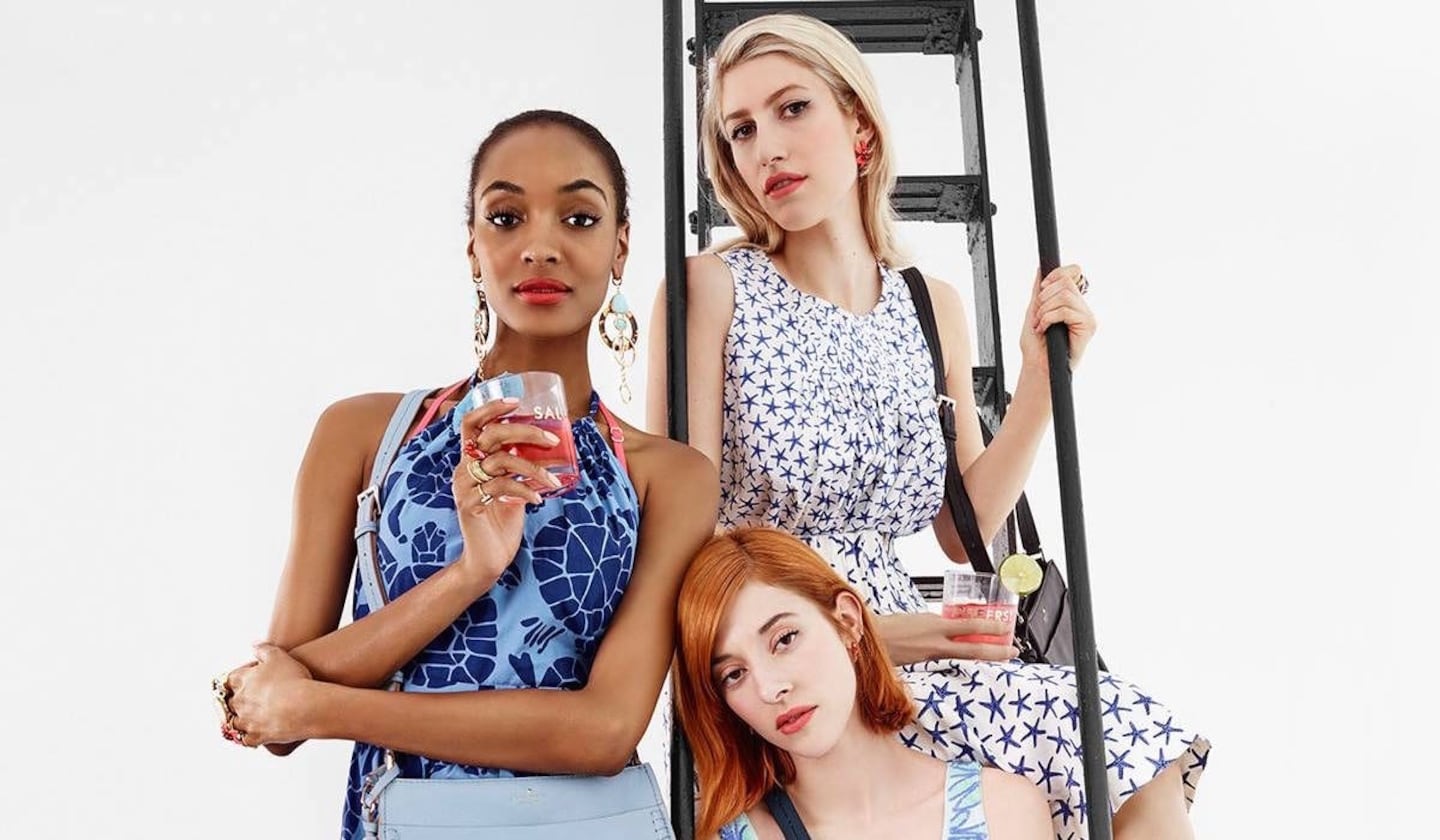
NEW YORK, United States — Kate Spade & Co.'s first quarterly sales decline in almost eight years couldn't have come at a worse time.
The New York-based handbag maker put itself up for sale in February and has attracted interest from high-end rivals Coach Inc. and Michael Kors Holdings Ltd., according to people familiar with the matter. The poor earnings report this week could weaken its bargaining power in an eventual sale.
“It would make more sense for a would-be acquirer to be much more aggressive about the valuation because of the numbers they just put out,” said Adrienne Yih, an analyst at Wolfe Research. “That would allow Coach to get a better deal.”
Like most retailers, Kate Spade is facing weakening mall traffic, online competition and a drop in tourist spending. But the handbag maker is also coping with the added burden of pressure from shareholder Caerus Investors, a hedge fund pushing for a sale.
ADVERTISEMENT
On Tuesday, Kate Spade reported a 2.4 percent decline in same-store sales, a closely watched gauge. It was the first drop since the third quarter of 2009, according to data compiled by Bloomberg, and worse than analysts’ average estimate of a 4.5 percent increase.
“Results will likely give bidders pause and result in a more sober purchase multiple if a transaction materialises,” Randy Konik, an analyst at Jefferies Group LLC, said in a note.
Kate Spade has also pulled back from department stores, which have dramatically marked down handbags to get rid of unsold items. Instead, the company is focusing on the 423 stores where it sells to consumers directly. Kate Spade and competitors like Coach say the discounts have eroded their brands.
To boost sales and entice shoppers to pay full price, Kate Spade is introducing new handbag designs and diversifying into home goods, ready-to-wear apparel and fragrances. It has also started personalised services.
Over the past two decades, Kate Spade has gone from hip downtown New York fashion circles to mainstream malls. Founded in 1993 by Mademoiselle magazine editor Kate Spade and her husband Andy, the handbag maker won a small but loyal following by melding vibrant colour with classic lines. The brand lost lustre after Neiman Marcus Group bought majority control in 1999. Liz Claiborne acquired the company for $124 million in 2006, and the Spades left.
Juicy, Lucky
Called Fifth & Pacific, the combined company included the Juicy Couture and Lucky brands. In 2013, seeking to focus only on Kate Spade, Fifth & Pacific sold Juicy’s intellectual property to Authentic Brands Group LLC and Lucky to Leonard Green & Partners LP. In 2014, it changed its name to Kate Spade & Co., and it’s been seen as an attractive takeover target ever since.
The new stand-alone company has embarked on a plan to become a lifestyle brand selling everything from apparel to home goods — similar to Ralph Lauren Corp. — with a goal of quadrupling revenue to $4 billion annually.
ADVERTISEMENT
Caerus is less optimistic. In November, the hedge fund sent a letter to the company saying shareholders were “incredibly frustrated” with its performance and that investors would be better off if it were sold to an acquirer who could better manage the business. Kate Spade in February said its board was reviewing strategic alternatives. On Tuesday, the company said there’s still no timing on how long discussions could take and that there was no assurance the review would result in a transaction.
Kate Spade’s shares initially surged on takeover speculation, but have tumbled 22 percent since April 3, when a Reuters report raised concern that talks could be dragging on and might lead to a lower price.
Women’s Wear Daily said in March that Michael Kors may no longer be involved in the deal, while Reuters reported that Kate Spade will spend a few more weeks negotiating a potential sale after receiving an offer from Coach. If a sale is successfully negotiated, the price would likely come in below Kate Spade’s $2.9 billion valuation at that time, Reuters said. The company, whose shares have dropped 4.2 percent this year through Thursday to $17.88, has a market capitalisation of $2.29 billion.
Kate Spade declined to comment, and Caerus didn’t return messages seeking comment.
Price Speculation
Coach is unlikely to overpay for Kate Spade because the New York-based company is disciplined about managing return on its invested capital, said Oliver Chen, an analyst at Cowen & Co. Kate Spade could fetch an offer price in the range of $22 to $25 a share, he said.
That is lower than the price floated by Caerus founder Ward Davis, who said in February that Kate Spade could be worth “in the high $20s or low $30s,” depending on the number of bidders.
Coach is unlikely to care much about past performance and is more focused on efficiencies the deal can generate and expansion it can have in the international markets, said Jim Chartier, an analyst at Monness Crespi Hardt & Co. Kate Spade’s gross margin, which increased by more than 1.4 percentage points in the first quarter, is an encouraging sign, he said.
“We knew how soft the retail environment has got, but Kate Spade still managed to weather that and outperform people’s expectations,” Chartier said. “The question is what price the management is willing to accept — or walk away.”
While $1.75 billion in court-approved funding has brought labels back to the fold, the real test for vendors will come when that temporary safety net vanishes later this year.
A growing number of mass and premium brands are pushing upmarket with a more luxe look, better materials and, often, higher prices. This case study unpacks how these labels are navigating the tricky challenge of elevating a brand.
Brands from Prada to Abercrombie & Fitch will provide clarity on how the fashion industry is approaching the newly uncertain trade landscape. Plus, a preview of Paris Fashion Week.
The goods come from more than 380 brands, including Burberry and those owned by luxury powerhouses LVMH and Kering.
The activewear giant seems intent on turning its nearly 40-year-old niche outdoor fashion brand into a mainstream success. The plan hinges on convincing backpackers and athletes its rugged technical gear can perform just as well as The North Face or Arc’teryx.
It’s not an existential crisis — yet — but Rick Owens and Daniel Roseberry confront some headscratchers in their latest collections.
Stick with the program or switch it up? Angelo Flaccavento reports on Chloé, Rabanne, Schiaparelli, Rick Owens and Uma Wang.
The brands Gap and Banana Republic beat comparable sales estimates.


