Agenda-setting intelligence, analysis and advice for the global fashion community.
Agenda-setting intelligence, analysis and advice for the global fashion community.

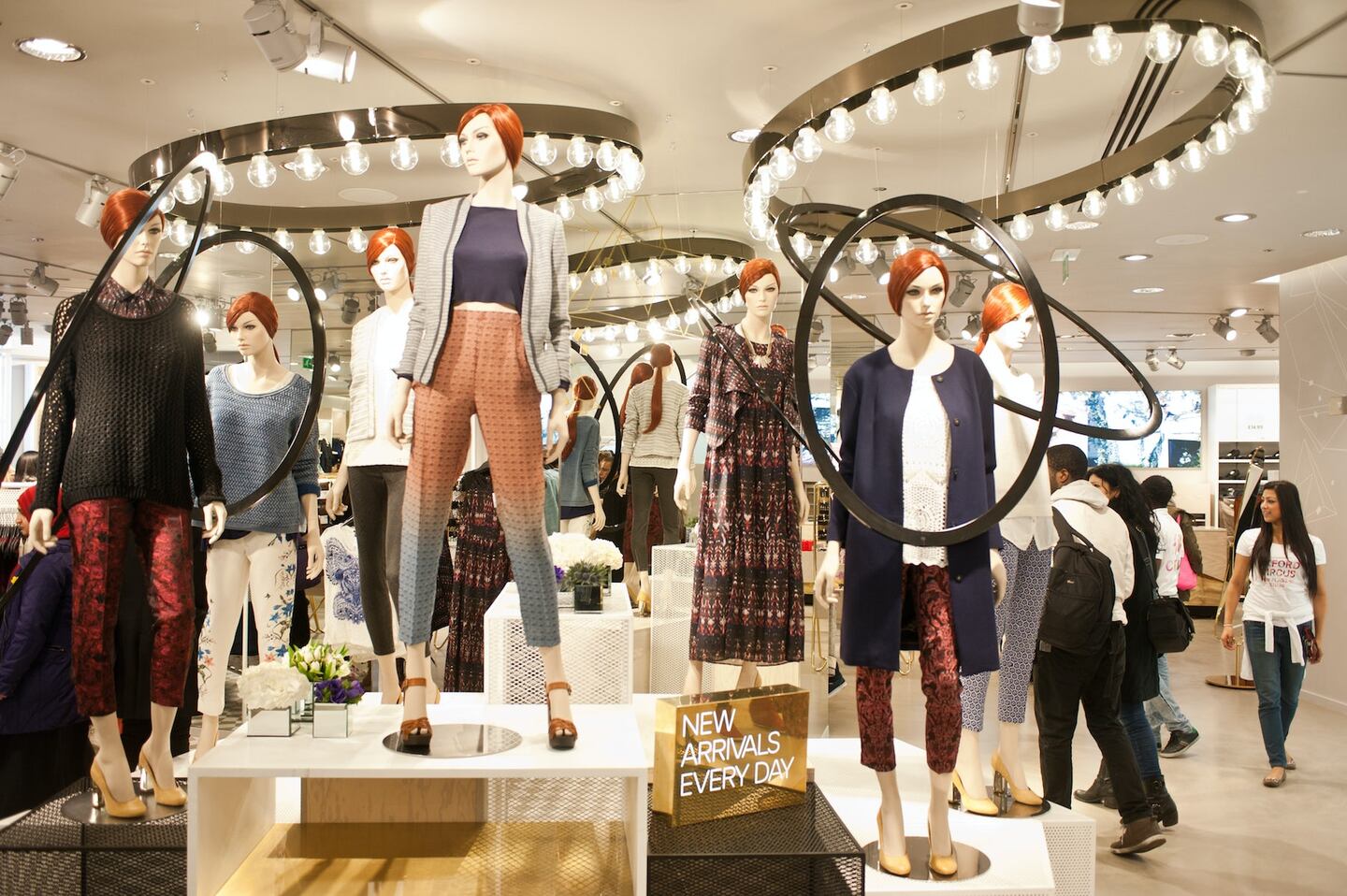
STOCKHOLM, Sweden — H&M, the world's second biggest fashion retailer, on Monday reported a sharp but slightly smaller than expected drop in second-quarter sales as measures to slow the Covid-19 pandemic slammed the sector.
The Swedish company's net sales for the three months to May 31 fell 50 percent from a year earlier to 28.7 billion crowns ($3.1 billion). Analysts had on average forecast a fall to 27.5 billion, Refinitiv data shows. Online sales jumped 36 percent.
H&M, which began gradually reopening stores in late April after about 80 percent were shuttered by the pandemic, said local currency sales in the first 13 days of June were down 30 percent.
"The pace of the sales recovery varies largely between markets," it said.
ADVERTISEMENT
H&M, which reports full quarterly earnings on June 26, said 18 percent of 5,058 stores remain closed temporarily.
RBC analyst Richard Chamberlain, with a "sector perform" rating on H&M, said he remained relatively cautious on the margin and inventory outlook, and predicted sales would keep recovering only gradually.
"In many markets we expect to see customers preferring to shop locally and more pressure on urban locations more reliant on tourism and people using public transport," he said.
H&Ms' biggest rival Inditex, the owner of Zara, recorded a 44 percent sales drop for the February-April period, with constant-currency sales down 34 percent over June 2-8.
Shares in H&M, which has flagged its first loss in many decades for the second quarter, were down 2 percent in early trade and 26 percent so far this year.
Before the pandemic, H&M was well on its way to end a years-long rise in inventories after many stores struggled with digitalisation and tougher competition.
Chamberlain said inventory had been tightly controlled through the pandemic but he expected it to have risen in May as delayed products from China and Bangladesh arrived in stores.
By Anna Ringstrom with additional reporting by Colm Fulton; editors: Johannes Hellstrom, David Goodman and Kirsten Donovan
While $1.75 billion in court-approved funding has brought labels back to the fold, the real test for vendors will come when that temporary safety net vanishes later this year.
A growing number of mass and premium brands are pushing upmarket with a more luxe look, better materials and, often, higher prices. This case study unpacks how these labels are navigating the tricky challenge of elevating a brand.
Brands from Prada to Abercrombie & Fitch will provide clarity on how the fashion industry is approaching the newly uncertain trade landscape. Plus, a preview of Paris Fashion Week.
The goods come from more than 380 brands, including Burberry and those owned by luxury powerhouses LVMH and Kering.
Christine Hunsicker admitted she falsified financial statements to promote CaaStle Inc. as a valuable, growing business when in reality it was struggling.
The American cosmetic giant’s buyout of Ayurvedic beauty line Forest Essentials came as a surprise. By picking an under-the-radar brand it knows well, the company can show that it’s still in the M&A game without needing to outbid rivals.
The underwear company is anticipating net sales of at least $6.85 billion in the current fiscal year, exceeding analyst estimates and marking the highest revenue since its split from L Brands Inc in 2021.
The Japanese brand is accelerating its expansion in India to capture a greater share of the rapidly growing apparel market and affluent consumer base.


