
Agenda-setting intelligence, analysis and advice for the global fashion community.
Agenda-setting intelligence, analysis and advice for the global fashion community.

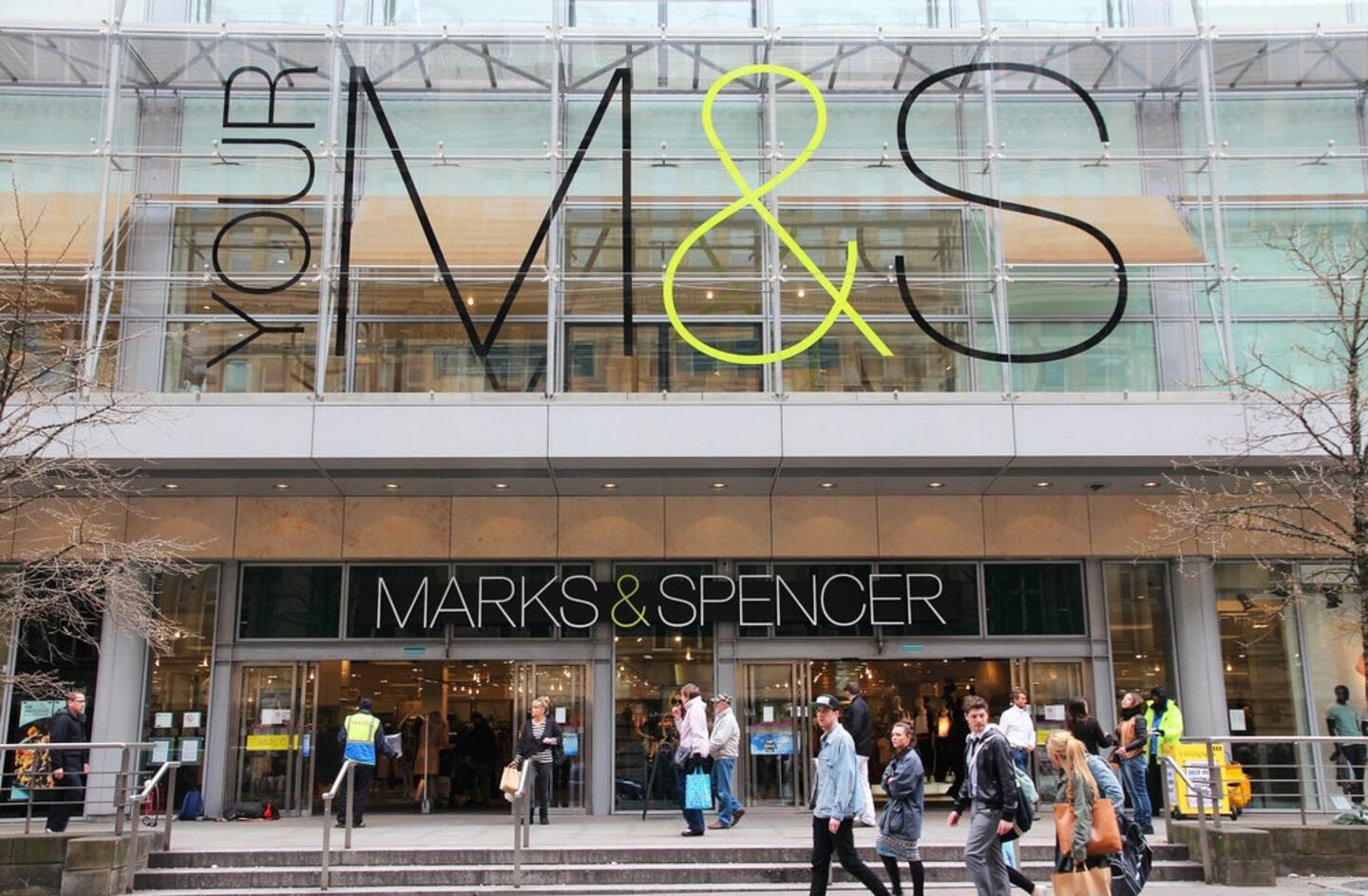
LONDON, United Kingdom — UK shoppers filling their trolleys with holiday Champagne and colourful cookies stopped by the apparel aisles for pants and sweaters, providing a much-needed lift to Tesco Plc, J Sainsbury Plc and Marks & Spencer Group Plc after years of lacklustre sales.
The surprisingly strong Christmas adds momentum to the British retailers’ revival after a tough decade in which supermarkets were battered by discounters Lidl and Aldi, missteps in pricing and supplier relations and a shift to online shopping. During a tough season for apparel chain Next Plc, which does not sell food, retailers offering edible stocking stuffers as well as winterwear thrived.
“A couple of years ago people were writing obituaries for the big one-stop shop, but the growth in supermarkets’ clothing sales shows there’s life in it yet,” TCC Global analyst Bryan Roberts said by phone.
Consumers are responding to early signs of Brexit-fuelled inflation by buying more of their clothing at retailers whose scale and diversification helps them keep prices in check. The better-than-expected results underline the UK economy’s near-term resilience since the June 23 vote to leave the European Union, despite looming inflationary pressure.
ADVERTISEMENT
Price Pressure
Some merchants, including Next and closely held John Lewis Partnership, warn that the year ahead will be tough as inflation kicks in. The pound’s plunge since the referendum has raised import prices, and John Lewis said this would squeeze profits in the coming year.
While specialised retailers face growing pressure to lift prices, bigger players like Tesco have been able to hold the line for now. In October it settled a dispute with Unilever over the pricing of products like Marmite that briefly pulled the spread and other items off shelves.
Sales of clothing at Tesco stores open at least a year rose 4.3 percent during the six-week holiday shopping season, outpacing a 1.3 percent gain in food. Sales of seasonal clothing rose 40 percent from a year earlier.
Supermarket apparel sales may have been boosted by the timing of Christmas and New Year’s Day, which both fell on Sundays, encouraging some shoppers to add clothing to their shopping trolleys as they stocked up for holiday feasts. The absence of dominant fashion trends may also have helped, with consumers shifting spending to less expensive items rather than splashing out at luxury boutiques, Bloomberg Intelligence analyst Charles Allen said.
Kids’ Onesies
“The relative quality of supermarket clothing has gotten better,” Allen said by phone. “You’re not ashamed to wear supermarket clothing anymore.”
Marks & Spencer, whose apparel division had suffered in recent years, handily beat analyst estimates with a 2.3 percent sales increase in its clothing and home division, including sales of 200,000 childrens’ onesies. Same-store sales in the food division, which has kept Marks & Spencer afloat during a difficult period for its apparel unit, rose 0.6 percent.
ADVERTISEMENT
Clothing performance was lifted by a decision to curb pre-Christmas discounting, including during the Black Friday promotional period, said chief executive officer Steve Rowe. That may have worked for Marks & Spencer, with its ability to cross-sell to grocery customers, but backfired for Next, which tried to hold the line on prices. The chain’s Christmas sales were below analyst estimates, and it cut its outlook for the year ahead. Other apparel providers, like department-store chain Debenhams Plc, did better.
The big question is how long the retail resilience will last. Many stores have hedged their currency positions, and that protection will gradually unwind over the next year, squeezing profits or forcing merchants to raise prices, John Lewis Chairman Charlie Mayfield said on a call after the employee-owned company detailed plans to slash bonuses in preparation for a tough year.
“The drop in sterling is a dog that hasn’t yet really barked,” Mayfield said. “How much of that inflationary pressure is absorbed by retailers and how much is passed on is the million-dollar question.”
By Eric Pfanner and Sam Chambers; editors: Matthew Boyle and Paul Jarvis.
While $1.75 billion in court-approved funding has brought labels back to the fold, the real test for vendors will come when that temporary safety net vanishes later this year.
A growing number of mass and premium brands are pushing upmarket with a more luxe look, better materials and, often, higher prices. This case study unpacks how these labels are navigating the tricky challenge of elevating a brand.
Brands from Prada to Abercrombie & Fitch will provide clarity on how the fashion industry is approaching the newly uncertain trade landscape. Plus, a preview of Paris Fashion Week.
The goods come from more than 380 brands, including Burberry and those owned by luxury powerhouses LVMH and Kering.
Christine Hunsicker admitted she falsified financial statements to promote CaaStle Inc. as a valuable, growing business when in reality it was struggling.
The American cosmetic giant’s buyout of Ayurvedic beauty line Forest Essentials came as a surprise. By picking an under-the-radar brand it knows well, the company can show that it’s still in the M&A game without needing to outbid rivals.
The underwear company is anticipating net sales of at least $6.85 billion in the current fiscal year, exceeding analyst estimates and marking the highest revenue since its split from L Brands Inc in 2021.
The Japanese brand is accelerating its expansion in India to capture a greater share of the rapidly growing apparel market and affluent consumer base.


