
Agenda-setting intelligence, analysis and advice for the global fashion community.
Agenda-setting intelligence, analysis and advice for the global fashion community.

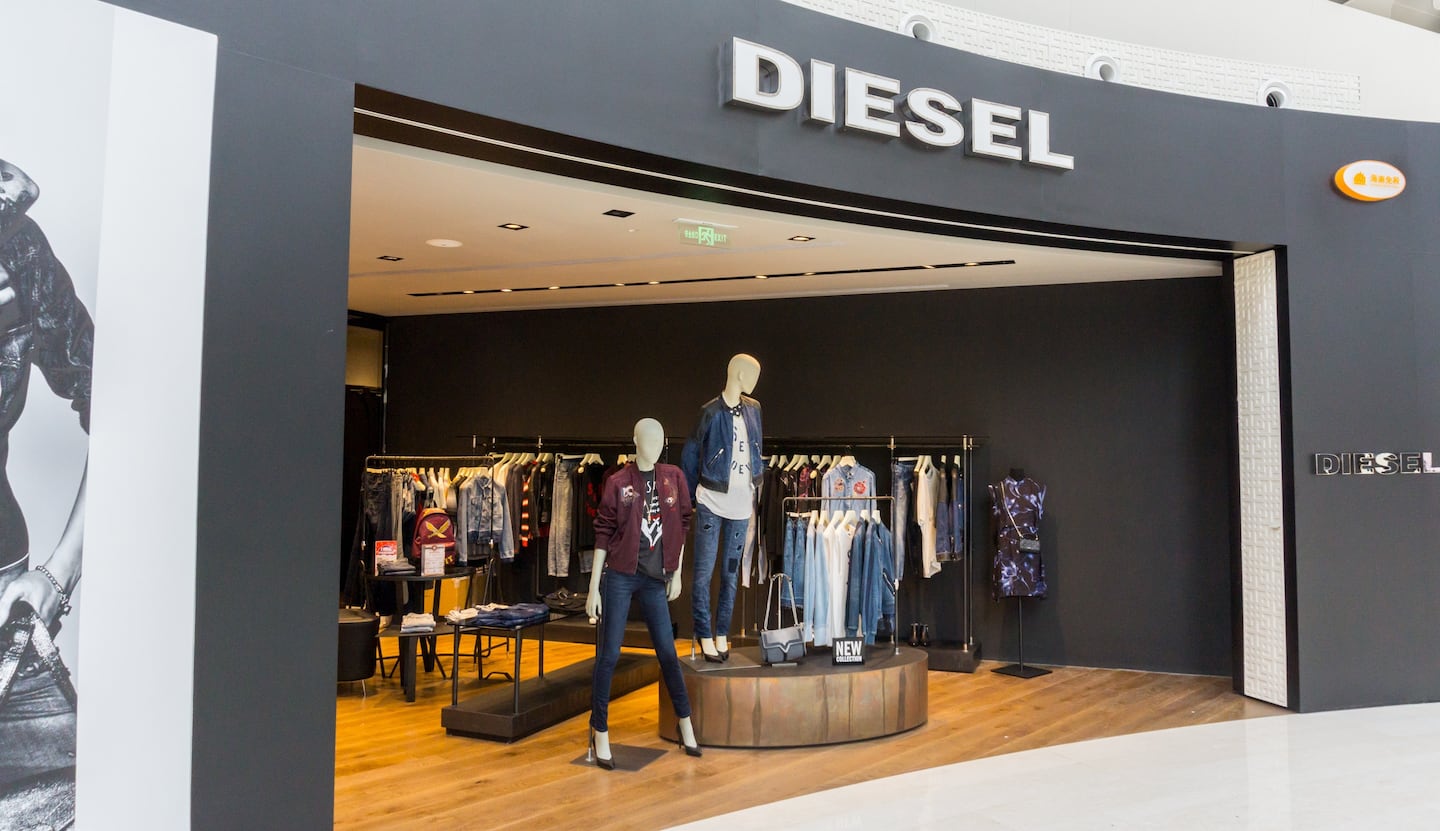
BREGANZE, Italy — The new chief executive of Diesel SpA wants to close stores, raise prices and expand in sneakers to turn around a denim brand that had its heyday in the 1990s.
Massimo Piombini, who took over Diesel in late January, days before Covid-19 was declared a global emergency, said the retailer’s 436 stores worldwide — some directly owned, some concessions — are “way too much, regardless of coronavirus.” Far from derailing its plans, the pandemic is accelerating some elements of his plan.
“I believe you can have a perfect representation of the brand with half of that perimeter around the world,” he said in an interview with Bloomberg. His plan is for Diesel to have flagship stores in a number of hub cities, from New York and London to Berlin and Tel Aviv.
Diesel is part of the OTB group, founded by the Italian fashion entrepreneur Renzo Rosso, once dubbed the "Jeans Genius" by fashion journalist Suzy Menkes. Other brands in the group include Marni, Viktor & Rolf, Maison Margiela.
ADVERTISEMENT
Diesel remains by far the biggest brand, generating about €900 million ($1 billion) of the group’s €1.5 billion revenue last year. In the 1990s, it became one of the best known Italian-designed global lifestyle brands and helped push denim into a premium category for the first time.
Piombini said Diesel “transformed the concept of denim worldwide” with its reputation for being at the forefront of cultural change and innovation. It was one of the first brands to feature gay men in its advertising, winning plaudits for its ad of two sailors kissing in the 90s.
In recent years it has become more of a mass-market brand and lost its upmarket position. It has also struggled to partake in the rapid growth of casual, athletic-wear, such as yoga pants.
Last year, Diesel’s US division went through a Chapter 11 bankruptcy process after a turnaround by previous management failed. The appointment of Piombini is part of a rescue strategy put in place by the founder Rosso.
Piombini, who previously ran the brand Balmain, believes he can restore Diesel to its former glory. Alongside store closures, he wants to refine Diesel’s range and improve the design and quality of the materials to create a more expensive, premium product that attracts a younger audience.
He sees an opportunity for Diesel to increase its share of the lucrative sneaker market. It already sells 700,000 sneakers a year and Piombini hopes to potentially quadruple that number.
Diesel’s merchandising and marketing will be revamped too, and the company is accelerating its digital transformation. E-commerce accounts for only 12 percent of Diesel’s sales but its revenue is recording double-digit growth. Last week it launched “Hyperoom,” a virtual showroom that is similar to its physical one in Milan and will showcase its collections for third party vendors at a time when travel is difficult.
By Flavia Rotondi and Deirdre Hipwell.
While $1.75 billion in court-approved funding has brought labels back to the fold, the real test for vendors will come when that temporary safety net vanishes later this year.
A growing number of mass and premium brands are pushing upmarket with a more luxe look, better materials and, often, higher prices. This case study unpacks how these labels are navigating the tricky challenge of elevating a brand.
Brands from Prada to Abercrombie & Fitch will provide clarity on how the fashion industry is approaching the newly uncertain trade landscape. Plus, a preview of Paris Fashion Week.
The goods come from more than 380 brands, including Burberry and those owned by luxury powerhouses LVMH and Kering.
Stick with the program or switch it up? Angelo Flaccavento reports on Chloé, Rabanne, Schiaparelli, Rick Owens and Uma Wang.
The brands Gap and Banana Republic beat comparable sales estimates.
Sex sells — if anyone can figure out what sexy means in 2026. Robert Williams tracks the search for a new silhouette at Kering’s Gucci, LVMH’s Dior and more.
Christine Hunsicker admitted she falsified financial statements to promote CaaStle Inc. as a valuable, growing business when in reality it was struggling.


