
Agenda-setting intelligence, analysis and advice for the global fashion community.
Agenda-setting intelligence, analysis and advice for the global fashion community.

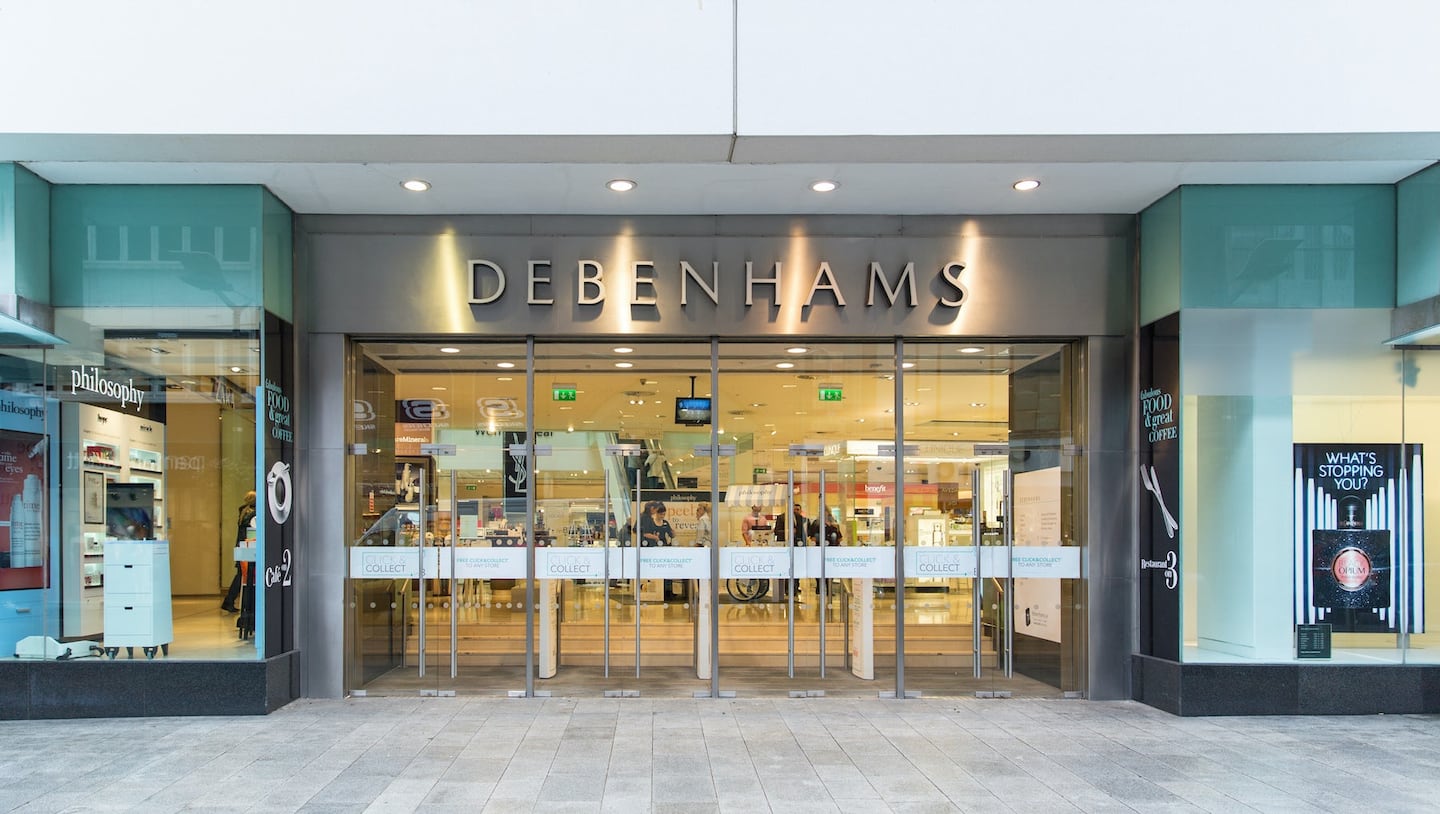
LONDON, United Kingdom — Debenhams Plc's disastrous Christmas highlighted a widening chasm in the UK retail sector between companies that have managed to migrate online to fend off Amazon.com Inc. and those stuck in their stores.
The shares fell the most on record when the London-based department-store chain — a fixture of the UK’s downtown shopping districts — said Thursday that year-end sales declined and full-year profit will be below analyst expectations.
“Clearly this is a very disappointing outcome and highlights just how tough the UK operating environment is,” Cantor Fitzgerald analyst Mark Photiades said by email.
The warning follows a more upbeat report from rival Next Plc on Wednesday, showing how the UK’s brutally competitive retail market is weeding out store owners that have failed to build viable digital businesses. Next generates more than 40 percent of its revenue from e-commerce and mail orders, while just 15 percent of Debenhams’ sales are online.
ADVERTISEMENT
Debenhams’ struggle with e-commerce compounds problems stemming from the Brexit-induced weakness of the pound, which has increased sourcing costs, and a shift in consumer spending away from clothing. Debenhams, known for selling everything from toasters to cologne at mid-range prices, has been adding cafes, bars and restaurants to try to lure shoppers back in — so far with only limited success.
As the UK leads Europe’s adoption of online shopping, the country’s “high streets” are suffering. Stalwarts of those downtown shopping arteries like BHS and Austin Reed have gone bust while anchor Marks & Spencer Group Plc is retreating by closing some of its stores.
Discounters have also stepped into the gap. German low-cost grocer Aldi said Thursday that UK Christmas sales rose 15 percent. Other retailers, including Marks & Spencer and Tesco Plc, are set to report next week, and Debenhams moved up its trading update as a result of the dismal holiday period.
Short Seller
In the run-up to Christmas, hedge-fund manager Crispin Odey, whose Odey Asset Management has a short position in Debenhams, said it was a race between Debenhams and rival department-store chain House of Fraser “as to who will go down first.”
Debenhams shares fell as much as 24 percent, the most on an intraday basis since the company went public in 2006. Sports Direct International Plc founder Mike Ashley owns a 21 percent stake in the retailer.
Highlights of Debenhams’ trading update:
By Sam Chambers; editors: Eric Pfanner and Vernon Wessels.
While $1.75 billion in court-approved funding has brought labels back to the fold, the real test for vendors will come when that temporary safety net vanishes later this year.
A growing number of mass and premium brands are pushing upmarket with a more luxe look, better materials and, often, higher prices. This case study unpacks how these labels are navigating the tricky challenge of elevating a brand.
Brands from Prada to Abercrombie & Fitch will provide clarity on how the fashion industry is approaching the newly uncertain trade landscape. Plus, a preview of Paris Fashion Week.
The goods come from more than 380 brands, including Burberry and those owned by luxury powerhouses LVMH and Kering.
Christine Hunsicker admitted she falsified financial statements to promote CaaStle Inc. as a valuable, growing business when in reality it was struggling.
The American cosmetic giant’s buyout of Ayurvedic beauty line Forest Essentials came as a surprise. By picking an under-the-radar brand it knows well, the company can show that it’s still in the M&A game without needing to outbid rivals.
The underwear company is anticipating net sales of at least $6.85 billion in the current fiscal year, exceeding analyst estimates and marking the highest revenue since its split from L Brands Inc in 2021.
The Japanese brand is accelerating its expansion in India to capture a greater share of the rapidly growing apparel market and affluent consumer base.


